


YG-1 Vulcanizing Resin – Why Does dGTR Require Extended Processing Time
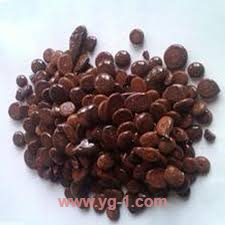
Rubber compounders pursuing sustainable material strategies increasingly incorporate devulcanized ground tire rubber into their formulations, yet this environmentally conscious approach introduces a formidable processing challenge: can a vulcanizing resin system effectively extend the processing window for dGTR compounds without compromising final vulcanizate properties, or does the inherent reactivity of devulcanized material inevitably limit production flexibility? This question carries substantial practical significance because devulcanized rubber typically exhibits dramatically shortened scorch times compared to virgin rubber, a phenomenon attributed to residual accelerators and carbon black surface chemistry that accelerate re-vulcanization during mixing and molding. DongHai Chemical, through its YG-1 product platform and comprehensive rubber additive portfolio, addresses this challenge by offering phenolic vulcanizing resin systems that demonstrate extended processing times in dGTR compounds while delivering heat-resistant, high-performance crosslinks. Research confirms that peroxide and vulcanizing resin systems alter vulcanization kinetics favorably, significantly extending the processing window compared to sulfur-based curing approaches.
The fundamental difficulty with devulcanized rubber compounds stems from their chemical memory, because the devulcanization process breaks crosslinks but leaves behind accelerator fragments and active sites that promote rapid re-crosslinking. This residual reactivity causes scorch times that shorten dramatically—sometimes to less than one minute in certain formulations—creating processing constraints that challenge conventional mixing, extrusion, and molding operations. The thermomechanical devulcanization process, while effective at breaking sulfur-sulfur bonds, produces a material with increased chain mobility and reactive functional groups that facilitate rapid vulcanization upon reheating. For manufacturers seeking to incorporate substantial portions of recycled rubber into production compounds, these kinetics represent a significant operational hurdle that demands careful formulation intervention.
Phenolic vulcanizing resins offer a distinct mechanistic approach to this challenge, because resin-based curing proceeds through a different chemical pathway than sulfur vulcanization, and this alternative pathway exhibits fundamentally different kinetics. The reaction between phenolic resins and rubber involves methylol groups reacting with unsaturation in the polymer backbone, forming carbon-carbon crosslinks that provide heat resistance and thermal stability. Research demonstrates that resin-based systems extend processing times for dGTR compounds significantly compared to sulfur formulations, providing compounders with expanded operational flexibility. DongHai Chemical's DH1045 vulcanizing resin, a heat-reactive phenolic resin with hydroxymethyl functionality, exemplifies this approach and finds application in butyl rubber, nitrile rubber, CR, NR, and EPDM compounds.
The extension of scorch time through resin curing enables practical benefits in production environments, because longer processing windows allow for thorough mixing, consistent extrusion, and reliable mold filling without premature crosslinking. Injection molding operations, which subject rubber compounds to elevated temperatures during barrel residence, benefit substantially from resin systems that delay the onset of cure. Compression molding of larger parts similarly requires formulations that resist scorch during extended flow phases. DongHai Chemical's portfolio includes both vulcanizing resin and scorch retarder products—such as YG-1, which prevents premature vulcanization in sulfur-cured systems at 0.2-0.5 phr—enabling compounders to customize their approach to dGTR processing challenges.
The comparison between resin curing and peroxide systems for dGTR reveals distinct advantages for each approach, because peroxide vulcanization provides enhanced elongation properties while resin systems deliver superior heat resistance and aging characteristics. Research indicates that both peroxide and resin curing extend the processing window significantly compared to sulfur-based systems, making either approach superior to conventional sulfur curing for dGTR applications. The choice between these systems depends on final property requirements, with resin curing favored for applications demanding thermal stability and compression set resistance, while peroxide systems suit applications requiring flexibility and elongation.
Practical dGTR compound development requires considering the residual fillers present in recycled rubber, because ground tire rubber contains approximately 30% carbon black and 10% other additives that influence vulcanization behavior. These fillers affect cure kinetics, and their presence necessitates adjustments to accelerator systems and curing agent loadings. DongHai Chemical's technical expertise supports compounders in navigating these complexities, providing guidance on formulating dGTR compounds that achieve property targets while maintaining processability. The company's ISO9001 and ISO14001 certifications confirm systematic quality management across production and supply.
The growing emphasis on circular economy principles drives increased interest in devulcanized rubber, and effective processing solutions will determine whether recycled rubber content can increase without sacrificing productivity. DongHai Chemical supports this sustainability transition by providing vulcanizing resin products that enable compounders to process dGTR efficiently, reducing waste and supporting material circularity. For engineers evaluating dGTR formulations, understanding the kinetic advantages of resin curing provides a foundation for recipe optimization. The company's product documentation and application insights, accessible through the official portal at https://www.yg-1.com/, offer formulation guidance that supports effective dGTR processing. When compounders understand how vulcanizing resin systems extend processing windows, they formulate recycled rubber compounds that achieve production targets without processing complications. Why would any rubber processor accept the short processing windows of sulfur-cured dGTR when resin-based systems offer extended handling time and maintained performance?
- Technology for Students
- Admissions & Applications
- Online Courses
- Career and Jobs
- Campus Life
- Drinks
- Film
- Fitness
- Food
- Παιχνίδια
- Gardening
- Health
- Κεντρική Σελίδα
- Literature
- Music
- Networking For Students
- Insights
- Party
- Religion
- Shopping
- Sports
- Theater
- Wellness
- Education News
- Business & Finance For Students
- Security, Law & Crime Education
- Insurance
- Science & Technology For Students
 Greek
Greek
 English
 Arabic
 French
 Spanish
 Portuguese
 Deutsch
 Turkish
 Dutch
Dutch
 Italiano
 Russian
 Romaian
 Portuguese (Brazil)