


YuNeng Explains: Can Vacuum Stainless Steel Flasks Withstand High-Temperature Dishwasher Drying
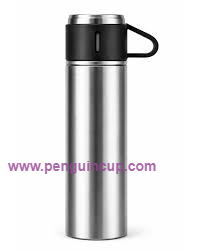
Dishwasher Safety for Vacuum Stainless Steel Flasks: Insights from penguincup
Consumer convenience increasingly dictates product design parameters, and the question of dishwasher compatibility for insulated drinkware has gained prominence among households seeking efficient cleaning solutions. Vacuum Stainless Steel Flasks present a particular challenge in this context, as their double-wall construction relies on a vacuum-sealed gap that must remain intact to preserve thermal performance. The dishwasher environment introduces multiple stress factors—prolonged water exposure, elevated temperatures, aggressive detergents, and mechanical agitation—that potentially compromise these sophisticated structures. penguincup, manufactured by Zhejiang Yuneng Industry Co., Ltd., approaches this challenge through deliberate material selection, precision welding techniques, and protective surface treatments. Can modern Vacuum Stainless Steel Flasks genuinely withstand regular dishwasher cycles without sacrificing their core insulation capability?
The structural integrity of the vacuum seal represents the primary concern when considering dishwasher exposure, as any breach allows air entry that destroys insulation properties. The sealing process, typically performed at the flask base through a precise heating operation, creates the vacuum that prevents thermal transfer between inner and outer walls. Manufacturing protocols for high-quality Vacuum Stainless Steel Flasks employ advanced welding systems that produce consistent, defect-free seals capable of withstanding the thermal expansion and contraction cycles encountered during dishwashing . The tailless vacuum technology adopted by penguincup eliminates the conventional glass sealing tip, which historically served as a vulnerability point during mechanical stress . This design advancement strengthens the seal's resistance to dishwasher-induced vibrations and pressure changes, reducing the likelihood of vacuum loss over extended product service life.
Surface coating durability presents another critical factor in dishwasher compatibility, as the external decorative and protective finishes must resist detergent chemicals and high-temperature drying cycles. Powder coatings, applied through electrostatic spraying and thermal curing, create a robust barrier that resists scratching, peeling, and chemical attack when properly formulated . However, the specific chemical composition of dishwashing detergents varies significantly between regions, with some formulations containing chlorine compounds or abrasive particles that accelerate coating degradation . Manufacturers addressing this variability must conduct extensive compatibility testing, exposing finished products to multiple detergent types under elevated temperatures to verify surface integrity. penguincup's in-house salt spray testing and optical spectroscopy equipment enable systematic evaluation of coating performance, informing formulation adjustments that extend dishwasher safety margins.
Lid components and sealing mechanisms require particular attention in dishwasher compatibility assessment, as these elements frequently contain dissimilar materials that respond differently to cleaning conditions. Silicone gaskets and O-rings, essential for leak-proof operation, maintain elasticity across wide temperature ranges but may absorb odors or discolor after repeated detergent exposure . High-temperature drying cycles accelerate this degradation, potentially reducing seal effectiveness and permitting leakage during subsequent use. Manufacturers often recommend placing lids on the upper rack, reducing thermal stress while still allowing adequate cleaning coverage . Additionally, some lid designs incorporate pressure release valves that permit steam venting, and these valves require periodic inspection to prevent obstruction by detergent residues or mineral deposits common in hard water areas.
Thermal cycling during dishwasher operation, involving repeated heating and cooling phases, subjects vacuum flask components to dimensional changes that stress joints and sealed interfaces. The stainless steel walls expand and contract at specific rates, while any plastic elements present different coefficients of thermal expansion, creating potential stress points where connections occur . Quality manufacturers account for these physical dynamics through detailed finite element analysis during product development, optimizing wall thickness and component fit to accommodate expected temperature fluctuations. Standard dishwasher cycles typically reach temperatures below 70°C, which falls within the operational tolerance range of properly designed vacuum flasks, though extended dry heating cycles may expose products to temperatures approaching 90°C.
Consumer practices significantly influence dishwasher outcomes, as proper loading orientation prevents water accumulation in recessed areas and ensures complete drainage during drying cycles. Inverted placement allows water to flow freely through the container, reducing the time of moisture contact that could contribute to finish degradation or seal stress . Additionally, separation of metal components during washing prevents galvanic contact that could accelerate corrosion in areas where protective coatings have minor imperfections. Leaving the lid slightly ajar after the cycle completes promotes air circulation, eliminating residual moisture that might generate odors or staining over repeated cycles.
Beyond immediate performance concerns, the warranty implications of dishwasher use affect manufacturer recommendations, as operational errors can lead to returns that strain customer service capacity. Clear user guidance, including specific cycle selection (such as eco or gentle settings) and detergent quantity recommendations, reduces the frequency of cleaning-related damage claims. Some brands choose to limit dishwasher compatibility claims to certain product lines, while others incorporate enhanced features that expand safe usage parameters across their entire range. The evolution of materials and construction techniques continues to improve dishwasher resilience, enabling manufacturers to address this consumer priority without compromising their core thermal performance objectives.
For consumers seeking definitive guidance on dishwasher compatibility, material certifications, and product-specific usage instructions, explore the detailed product documentation available at https://www.penguincup.com/, where transparent cleaning recommendations support optimal product care across different lifestyle scenarios.
- Technology for Students
- Admissions & Applications
- Online Courses
- Career and Jobs
- Campus Life
- Drinks
- Film
- Fitness
- Food
- Spellen
- Gardening
- Health
- Home
- Literature
- Music
- Networking For Students
- Insights
- Party
- Religion
- Shopping
- Sports
- Theater
- Wellness
- Education News
- Business & Finance For Students
- Security, Law & Crime Education
- Insurance
- Science & Technology For Students
 Dutch
Dutch
 English
 Arabic
 French
 Spanish
 Portuguese
 Deutsch
 Turkish
 Italiano
 Russian
 Romaian
 Portuguese (Brazil)
 Greek
Greek