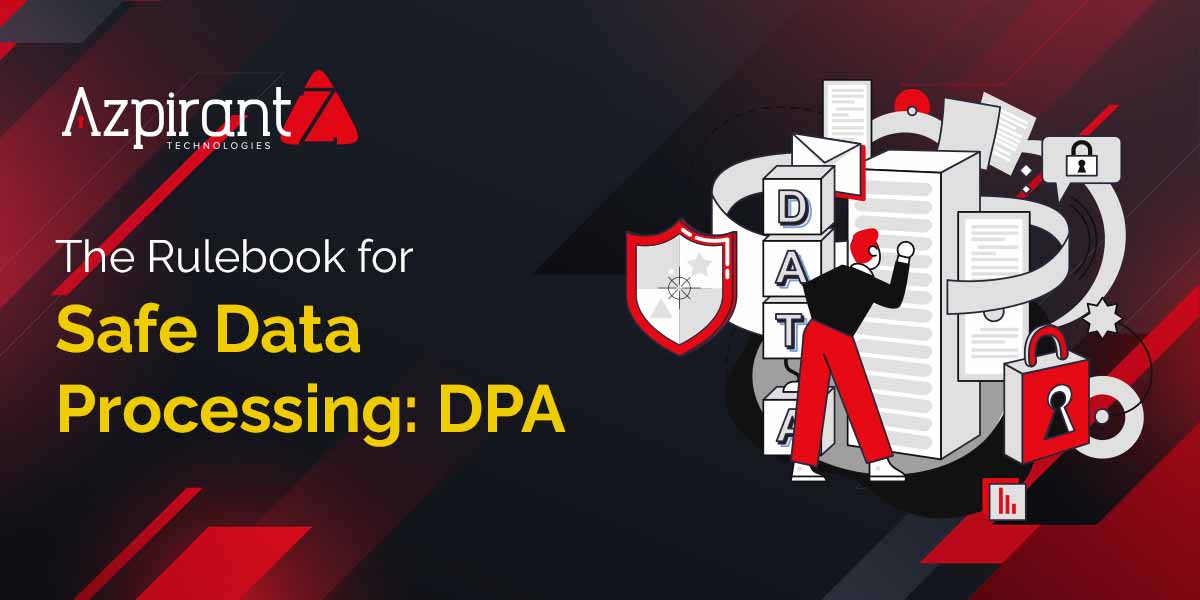
• What is a Data Processing Agreement and Why Every Organization Needs One

    Imagine your house keys are handed to a friend while you are going on vacation. You would probably leave a list of do’s and don’ts like watering the plants, do not forget to lock the doors, and please, no parties. Now, think of “house keys” with personal data and your “friend” as a third-party vendor. And that list of rules is what a Data Processing Agreement (DPA) is for your organization.

    #DataProcessingAgreement #DPA #PrivacyCompliance #DataProtection #GDPRCompliance #DataSecurity
    What is a Data Processing Agreement and Why Every Organization Needs One Imagine your house keys are handed to a friend while you are going on vacation. You would probably leave a list of do’s and don’ts like watering the plants, do not forget to lock the doors, and please, no parties. Now, think of “house keys” with personal data and your “friend” as a third-party vendor. And that list of rules is what a Data Processing Agreement (DPA) is for your organization. #DataProcessingAgreement #DPA #PrivacyCompliance #DataProtection #GDPRCompliance #DataSecurity
    AZPIRANTZ.COM
    What is a Data Processing Agreement and Why Every Organization Needs One
    Learn what a Data Processing Agreement is, why it’s critical for compliance, and how it protects organizations when sharing personal data.
    0 Kommentare 0 Geteilt 711 Ansichten 0 Bewertungen
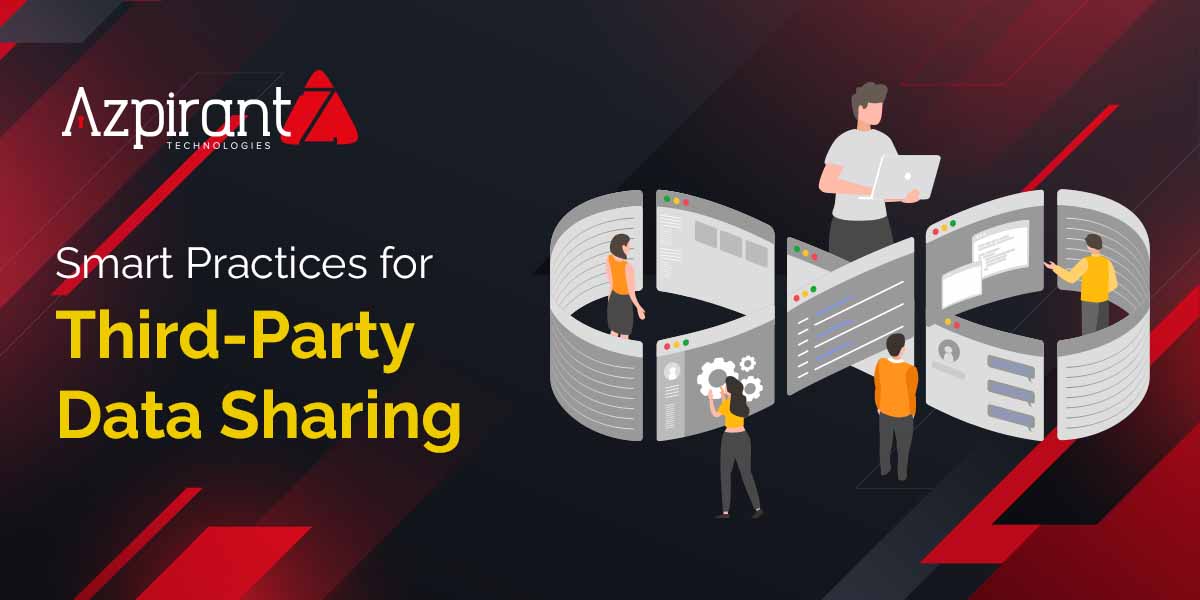
  • Sharing Data with Third Parties: Legal, Secure, and Transparent Approaches

    In this digital world, companies work in isolation. Third party vendors are a primary part of business operations, ranging from payroll processors and cloud storage providers to marketing firms and analytics platforms. But every time, you have a requirement to share personal information along with outside parties in a transparent, safe, and lawful manner.
    Why does this important? Because your customers expect you, not just that you will but ensure that everyone you are working with protects their data. Mishandling data, even indirectly, can result in huge security breaches, fines from the government, and reputational damage.

    #DataSharing #ThirdPartyRisk #DataProtection #DataPrivacy #SecureDataSharing #ComplianceManagement

    Sharing Data with Third Parties: Legal, Secure, and Transparent Approaches In this digital world, companies work in isolation. Third party vendors are a primary part of business operations, ranging from payroll processors and cloud storage providers to marketing firms and analytics platforms. But every time, you have a requirement to share personal information along with outside parties in a transparent, safe, and lawful manner. Why does this important? Because your customers expect you, not just that you will but ensure that everyone you are working with protects their data. Mishandling data, even indirectly, can result in huge security breaches, fines from the government, and reputational damage. #DataSharing #ThirdPartyRisk #DataProtection #DataPrivacy #SecureDataSharing #ComplianceManagement
    AZPIRANTZ.COM
    Sharing Data with Third Parties: Legal, Secure, and Transparent Approaches
    Learn how to share data with third parties legally, securely, and transparently while meeting privacy laws and reducing risk.
    0 Kommentare 0 Geteilt 716 Ansichten 0 Bewertungen
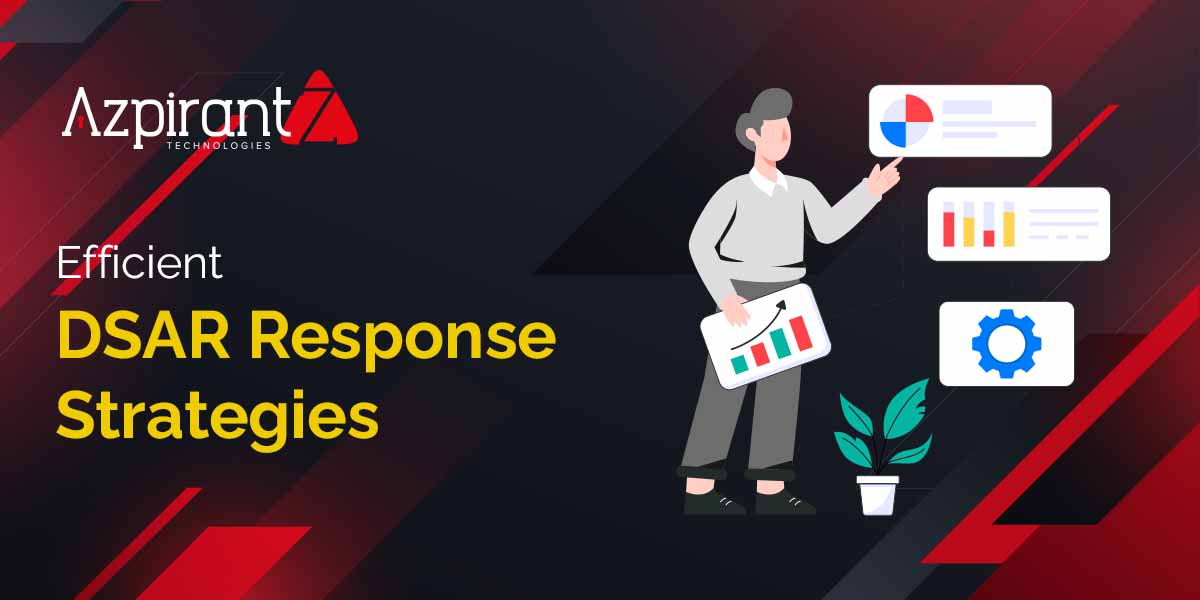
  • How to Manage Data Subject Access Requests (DSARs) Efficiently

    If you have received a letter from a customer that states, “I would like to know what type of personal data your company holds about me…” you have already encountered a Data Subject Access Request (DSAR). Under privacy laws like the GDPR in Europe, CCPA/CPRA in California, and others worldwide, people have the right to ask companies what personal data they are storing, how it is being used, and sometimes even request corrections or deletion.
    On a document, this sounds straightforward— Just gather the information and share it across. But in practice, DSARs can be time-consuming, with heavy-resource, and stressful if you do not have a plan. Think of it like a library: if books (data) are distributed all over the place, finding one specific title becomes terrifying. But if the library is assembled and organized, requests become quick and painless.
    This entire blog will walk you through how to manage DSARs efficiently—without losing your team’s sanity or putting your company at compliance risk.

    #DPDPA #Dataprivacy #privacycompliance #DSAR
    How to Manage Data Subject Access Requests (DSARs) Efficiently If you have received a letter from a customer that states, “I would like to know what type of personal data your company holds about me…” you have already encountered a Data Subject Access Request (DSAR). Under privacy laws like the GDPR in Europe, CCPA/CPRA in California, and others worldwide, people have the right to ask companies what personal data they are storing, how it is being used, and sometimes even request corrections or deletion. On a document, this sounds straightforward— Just gather the information and share it across. But in practice, DSARs can be time-consuming, with heavy-resource, and stressful if you do not have a plan. Think of it like a library: if books (data) are distributed all over the place, finding one specific title becomes terrifying. But if the library is assembled and organized, requests become quick and painless. This entire blog will walk you through how to manage DSARs efficiently—without losing your team’s sanity or putting your company at compliance risk. #DPDPA #Dataprivacy #privacycompliance #DSAR
    AZPIRANTZ.COM
    How to Manage Data Subject Access Requests (DSARs) Efficiently
    This entire blog will walk you through how to manage DSARs efficiently—without losing your team’s sanity or putting your company at compliance risk.
    0 Kommentare 0 Geteilt 3KB Ansichten 0 Bewertungen
  • How Enterprises Must Adapt to Cross-Border Laws: DPDPA vs GDPR

    In this episode, host Anas Hamid sits down with Rahul Kokcha to discuss how enterprises can manage cross-border data privacy laws, with a focus on India’s Digital Personal Data Protection Act (DPDPA) and the EU’s General Data Protection Regulation (GDPR).

    Watch: https://www.youtube.com/watch?v=rbkeMX4ICPs

    #CyberTalkPodcast #DPDPA #GDPR #DataPrivacy
    How Enterprises Must Adapt to Cross-Border Laws: DPDPA vs GDPR In this episode, host Anas Hamid sits down with Rahul Kokcha to discuss how enterprises can manage cross-border data privacy laws, with a focus on India’s Digital Personal Data Protection Act (DPDPA) and the EU’s General Data Protection Regulation (GDPR). Watch: https://www.youtube.com/watch?v=rbkeMX4ICPs #CyberTalkPodcast #DPDPA #GDPR #DataPrivacy
    0 Kommentare 0 Geteilt 4KB Ansichten 0 Bewertungen