


How AI Is Transforming Precision Medicine Worldwide
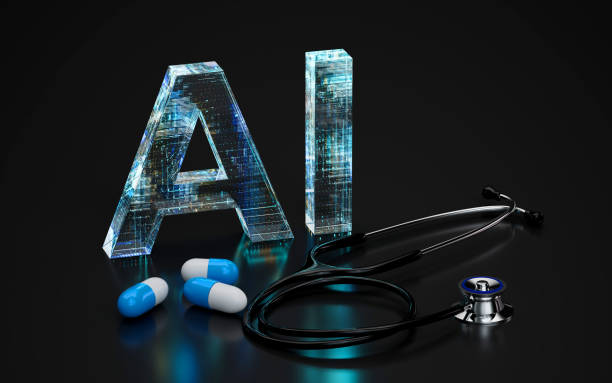
Artificial intelligence (AI) is reshaping precision medicine by helping healthcare providers and researchers make more personalized treatment decisions. Instead of relying on generalized treatment pathways, AI analyzes complex datasets—including genetic information, medical histories, diagnostic images, and clinical records—to identify therapies that are better suited to individual patients. As healthcare systems continue to embrace data-driven decision-making, AI is becoming an essential component of precision medicine.
The increasing use of AI-powered healthcare analytics is accelerating innovation across diagnostics, drug discovery, and personalized treatment planning. According to an analysis published by MarkNtel Advisors, the industry is forecast to witness substantial expansion between 2026 and 2032, reflecting the growing adoption of intelligent technologies across healthcare ecosystems.
Healthcare organizations are also investing in AI platforms capable of interpreting large volumes of genomic and clinical information within minutes. These capabilities support clinicians in identifying disease patterns, predicting treatment responses, and reducing the time required for complex medical decisions. As a result, precision medicine is evolving from a research-focused concept into a practical approach used across multiple clinical settings.
Why AI Has Become Essential in Precision Medicine
Traditional medical approaches often apply similar treatment protocols to patients with the same diagnosis. However, biological differences can significantly influence treatment outcomes. AI addresses this challenge by evaluating multiple patient-specific variables simultaneously, enabling physicians to design more individualized care plans.
Machine learning algorithms continuously improve as they process larger datasets, making predictions more accurate over time. These systems help detect hidden relationships between genetics, lifestyle, biomarkers, and disease progression that may not be immediately apparent through conventional analysis. Recent research also highlights that integrating multi-omics data with AI is creating new opportunities for targeted therapy development and improved biomarker discovery.
Major Applications Driving Adoption
AI is supporting precision medicine across several important healthcare applications:
- Early disease detection: AI identifies subtle abnormalities in imaging and laboratory data that can improve diagnostic accuracy.
- Personalized treatment selection: Clinical and genomic information helps physicians recommend therapies tailored to individual patients.
- Drug discovery: Pharmaceutical companies use AI to identify promising drug candidates and shorten research timelines.
- Risk prediction: Predictive models estimate disease progression and patient outcomes using historical clinical information.
- Clinical decision support: AI assists healthcare professionals by organizing and interpreting complex patient records.
The Growing Role of Genomics and Multi-Omics
Modern precision medicine increasingly depends on genomic sequencing and other biological datasets such as proteomics, metabolomics, and transcriptomics. These information sources generate enormous volumes of data that exceed the capacity of conventional analytical methods.
AI enables researchers to integrate these diverse datasets efficiently, helping uncover disease mechanisms, identify therapeutic targets, and match patients with appropriate treatments. As sequencing technologies become more affordable, the combination of AI and multi-omics is expected to play an increasingly significant role in personalized healthcare.
Challenges That Still Need Attention
Despite remarkable progress, implementing AI in precision medicine presents several challenges. High-quality clinical datasets remain essential for training reliable AI models, yet healthcare information is often fragmented across institutions. Data privacy, interoperability, and ethical considerations continue to influence deployment strategies.
Healthcare providers must also ensure that AI recommendations remain transparent and clinically interpretable. Regulatory agencies are updating frameworks to address evolving AI technologies, requiring organizations to continuously adapt their compliance strategies while maintaining patient safety and data security.
Industry Outlook
The Global Artificial Intelligence (AI) in Precision Medicine market demonstrates strong long-term potential. According to MarkNtel Advisors, the market is projected to grow from USD 2.01 billion in 2026 to USD 10.32 billion by 2032, representing a CAGR of approximately 31.35%. North America currently leads adoption, while software solutions account for the largest component segment due to their expanding role in personalized treatment development and clinical decision support.
Conclusion
Artificial intelligence is becoming a foundational technology for precision medicine by enabling faster analysis of complex medical data and supporting more personalized treatment decisions. From improving diagnostics to accelerating drug discovery and enhancing clinical decision-making, AI continues to expand the capabilities of modern healthcare. As data quality improves and regulatory frameworks mature, AI-driven precision medicine is expected to contribute significantly to more effective, patient-centered healthcare worldwide.
- Technology for Students
- Admissions & Applications
- Online Courses
- Career and Jobs
- Campus Life
- Drinks
- Film
- Fitness
- Food
- Juegos
- Gardening
- Health
- Home
- Literature
- Music
- Networking For Students
- Insights
- Party
- Religion
- Shopping
- Sports
- Theater
- Wellness
- Education News
- Business & Finance For Students
- Security, Law & Crime Education
- Insurance
- Science & Technology For Students
 Spanish
 English
 Arabic
 French
 Portuguese
 Deutsch
 Turkish
 Dutch
 Italiano
 Russian
 Romaian
 Portuguese (Brazil)
 Greek