


Stomach Disorders: Common Causes, Symptoms, and Treatment Options
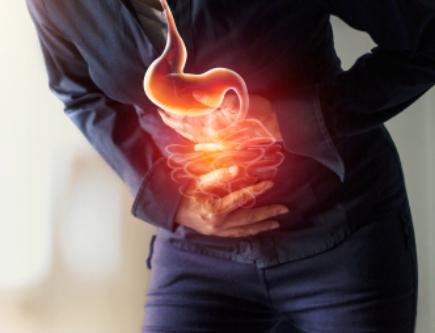
Stomach problems are common and can affect people of all ages. Occasional indigestion or bloating may not be a serious concern, but persistent stomach discomfort can sometimes indicate an underlying digestive condition. Understanding common stomach disorders, their symptoms, and available treatment options can help people recognise when professional medical advice may be needed.
What Are Stomach Disorders?
Stomach disorders refer to conditions that affect the stomach and its normal digestive functions. These conditions can range from temporary digestive discomfort to chronic problems that require ongoing medical care.
Common stomach-related conditions include gastritis, acid reflux, peptic ulcers, indigestion, gastroenteritis, and certain infections. The symptoms and treatment can vary depending on the underlying cause.
Common Symptoms of Stomach Problems
Stomach disorders can cause different symptoms depending on the condition. Some commonly reported symptoms include:
- Abdominal pain or discomfort
- Bloating and excessive gas
- Nausea or vomiting
- Heartburn or acid reflux
- Loss of appetite
- Feeling full quickly
- Indigestion
- Changes in bowel habits
Occasional digestive symptoms may resolve on their own, but persistent or worsening symptoms should be evaluated by a healthcare professional.
Common Causes of Stomach Disorders
Several factors can contribute to stomach problems. Poor dietary habits, infections, excessive alcohol consumption, smoking, stress, and certain medications may affect the digestive system.
Some conditions, such as peptic ulcers, may be associated with bacterial infections or long-term use of certain pain-relieving medicines. Identifying the specific cause is important because treatment depends on the underlying problem.
Different Types of Stomach Disorders
Gastritis
Gastritis occurs when the stomach lining becomes inflamed. It may cause upper abdominal discomfort, nausea, indigestion, or a feeling of fullness. Treatment depends on the cause and may involve prescribed medicines and lifestyle changes.
Acid Reflux
Acid reflux occurs when stomach contents move back into the oesophagus. It can cause heartburn, a sour taste, and discomfort after meals. Frequent symptoms may require medical evaluation.
Peptic Ulcers
Peptic ulcers are open sores that develop in the lining of the stomach or upper part of the small intestine. They can cause abdominal pain and, in some cases, bleeding. Medical treatment is important to address the underlying cause.
Indigestion
Indigestion can cause discomfort, bloating, belching, and a feeling of fullness. Eating too quickly, certain foods, stress, and other digestive conditions may contribute to indigestion.
How Are Stomach Disorders Diagnosed?
Diagnosis usually begins with a discussion of symptoms and medical history, followed by a physical examination. Depending on the symptoms, a doctor may recommend blood tests, stool tests, imaging, or other investigations.
For some patients, an upper gastrointestinal endoscopy may be recommended to examine the oesophagus, stomach, and upper digestive tract. The appropriate diagnostic approach depends on the individual's symptoms and medical history.
Treatment for Stomach Disorders
Treatment varies according to the specific condition. Doctors may recommend dietary modifications, lifestyle changes, prescription medicines, or treatment for an underlying infection.
Patients should avoid taking medicines repeatedly without understanding the cause of their symptoms. Persistent digestive problems require professional evaluation rather than relying solely on home remedies.
Lifestyle Habits for Better Digestive Health
Healthy daily habits can support digestive wellbeing. Some useful measures include:
- Eat balanced meals at regular times.
- Avoid overeating and eat slowly.
- Drink adequate fluids.
- Include appropriate fibre in your diet.
- Limit foods that consistently trigger symptoms.
- Maintain a healthy body weight.
- Stay physically active.
- Avoid smoking and excessive alcohol consumption.
- Use medicines only as directed.
Individual dietary requirements may vary, particularly for people with other health conditions.
When Should You See a Doctor?
Not every stomach problem requires immediate medical attention, but certain symptoms should not be ignored. Seek professional medical advice if you experience persistent abdominal pain, repeated vomiting, unexplained weight loss, difficulty swallowing, blood in vomit or stool, or symptoms that continue despite lifestyle changes.
Early evaluation can help identify the cause and allow appropriate treatment to begin.
Stomach Health and Other Medical Conditions
The digestive system works alongside other organs, and some symptoms can overlap with conditions affecting other parts of the body. People with existing medical conditions should inform their healthcare provider about all symptoms and medications they are experiencing.
For example, individuals who have concerns about kidney function and digestive symptoms may benefit from discussing their overall health with an appropriate specialist. Those searching for a kidney specialist in Jaipur should seek professional evaluation if they have abnormal kidney reports, changes in urination, swelling, or other kidney-related concerns.
Choosing the Right Medical Care
Choosing appropriate medical care is important when stomach symptoms are persistent or recurring. A healthcare professional can review symptoms, identify possible causes, recommend relevant tests, and develop a suitable treatment plan.
Avoiding self-medication and seeking timely medical guidance can help prevent minor digestive problems from being overlooked when they require further investigation.
Conclusion
Stomach disorders can range from mild digestive discomfort to conditions that require medical treatment. Recognising symptoms such as persistent abdominal pain, heartburn, bloating, nausea, or changes in digestion can help people decide when to seek professional advice.
Maintaining healthy lifestyle habits and getting appropriate medical evaluation can support better digestive health. If symptoms persist, consulting a qualified healthcare professional is the best way to understand the underlying cause and receive suitable treatment.
- Technology for Students
- Admissions & Applications
- Online Courses
- Career and Jobs
- Campus Life
- Drinks
- Film
- Fitness
- Food
- Juegos
- Gardening
- Health
- Home
- Literature
- Music
- Networking For Students
- Insights
- Party
- Religion
- Shopping
- Sports
- Theater
- Wellness
- Education News
- Business & Finance For Students
- Security, Law & Crime Education
- Insurance
- Science & Technology For Students
 Spanish
 English
 Arabic
 French
 Portuguese
 Deutsch
 Turkish
 Dutch
Dutch
 Italiano
 Russian
 Romaian
 Portuguese (Brazil)
 Greek
Greek