


Abdominoplasty Dubai: How Do Surgeons Assess the Abdomen Before Surgery?
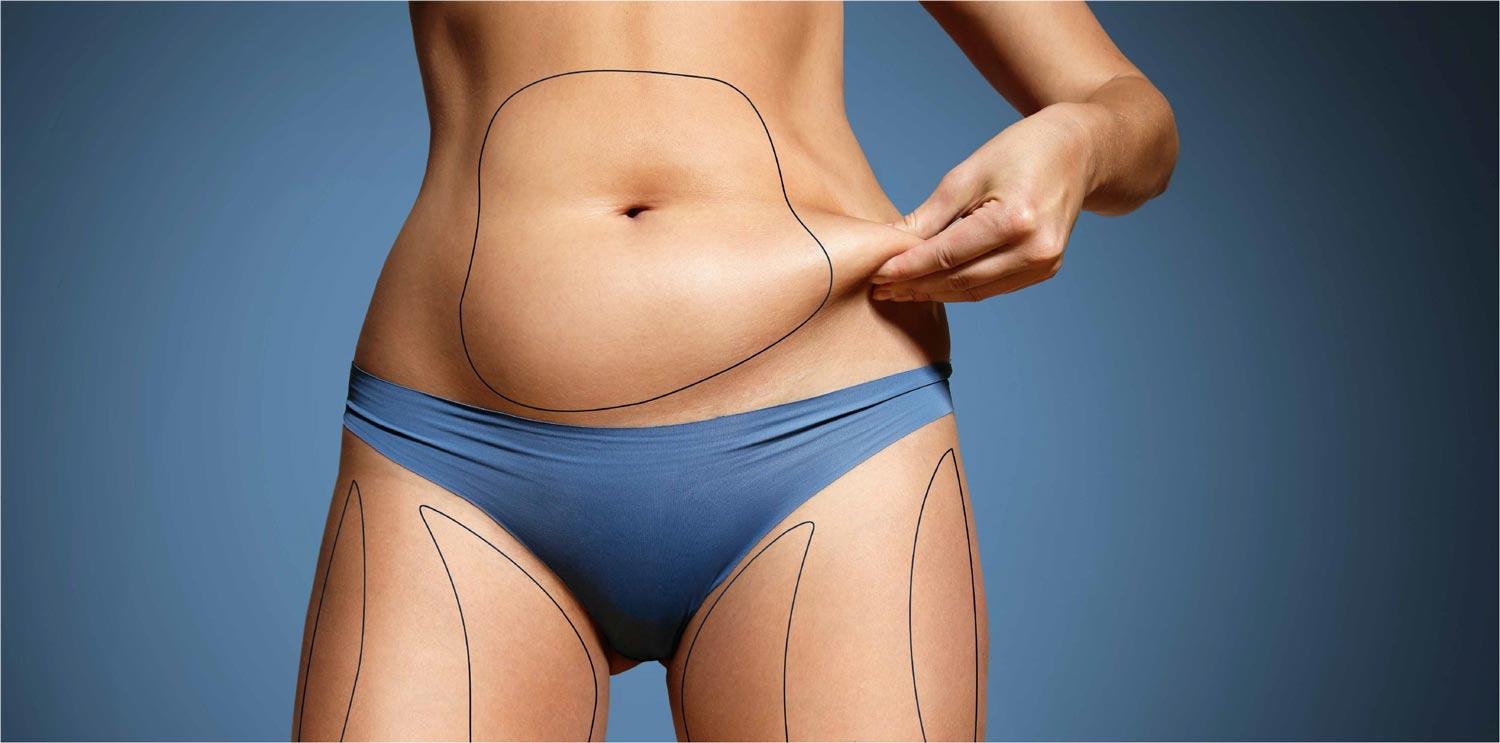
Abdominoplasty Dubai is a body-contouring procedure designed to reshape and refine the abdominal area by addressing excess skin, separated abdominal muscles when appropriate, and changes in the overall abdominal contour. Before surgery, a detailed assessment is essential because every patient's abdomen has a different combination of skin, tissue, muscle structure, and body proportions.
A surgeon does not simply evaluate how much skin is present. The assessment generally considers the entire abdominal region, including the position of the belly button, skin elasticity, abdominal wall, previous surgical scars, and the distribution of tissue around the waist.
For patients considering abdominoplasty, understanding what happens during this assessment can make the consultation more informative. Dr. Shahram Sajjadi can assess the abdominal area and discuss how individual anatomical characteristics may influence the proposed surgical approach.
Why Is an Abdominal Assessment Important Before Surgery?
Abdominoplasty requires individualised planning. The amount and location of excess skin can differ significantly from one patient to another, as can abdominal muscle condition and tissue distribution.
During the consultation, the surgeon evaluates these features to understand what changes may be appropriate.
An abdominal assessment can help determine:
- The amount of excess skin
- The quality and elasticity of the skin
- The location of abdominal tissue
- The condition of the abdominal wall
- The position of the belly button
- Existing scars
- Overall abdominal proportions
- The potential extent of skin removal
This information helps the surgeon develop a treatment plan based on the patient's anatomy rather than using a standard approach.
What Happens During the Initial Consultation?
The process usually begins with a conversation about the patient's goals. Some people may be concerned about loose skin following significant weight changes, while others may want to address changes that occurred after pregnancy or previous abdominal surgery.
The surgeon discusses these concerns and asks relevant questions about the patient's medical and surgical history.
The physical examination then allows the surgeon to assess the abdominal area directly. Measurements and visual assessment may be used to understand the proportions of the abdomen and determine which areas require attention.
Patients should provide accurate information about previous procedures, weight changes, pregnancies, and other factors that may have influenced the abdominal area.
How Do Surgeons Assess Excess Abdominal Skin?
One of the primary aspects of an Abdominoplasty Dubai consultation is assessing the amount and location of excess skin.
The surgeon examines the abdomen from different angles and considers how the skin sits when the patient is standing and moving.
The lower abdomen is particularly important because abdominoplasty often involves removing a section of excess lower abdominal skin.
The surgeon also evaluates whether the skin extends toward the sides of the waist and how the amount of tissue may influence the overall surgical plan.
The objective is to understand the distribution of excess skin rather than simply estimating its quantity.
How Is Skin Elasticity Evaluated?
Skin elasticity can influence how the abdominal contour is planned.
During the examination, the surgeon assesses how the skin stretches and how it returns toward its original position. This provides information about the characteristics of the skin and the degree of laxity present.
Factors such as pregnancy, substantial weight changes, ageing, and individual skin characteristics can affect elasticity.
Understanding these characteristics helps the surgeon determine how the abdominal skin may be repositioned during surgery.
How Do Surgeons Examine the Abdominal Muscles?
The abdominal wall is another important part of the assessment.
In some patients, the abdominal muscles may have become separated or stretched, particularly following pregnancy or significant changes in body size.
The surgeon may examine the abdomen while the patient changes position or contracts the abdominal muscles. This can help identify characteristics of the abdominal wall that may need to be considered when developing the surgical plan.
The assessment is not limited to the visible surface of the abdomen. Understanding the underlying structure provides a more complete picture of the patient's anatomy.
Why Is Muscle Separation Considered?
Muscle separation, often referred to as diastasis recti, can affect abdominal contour.
When present, it may contribute to a protruding or less defined abdominal appearance even when there is not a large amount of excess skin.
A surgeon evaluates whether there are signs of abdominal wall separation and considers this information when planning the procedure.
If muscle repair is appropriate as part of the patient's treatment, the surgeon can explain how this would be incorporated into the overall abdominoplasty plan.
How Is the Belly Button Assessed?
The belly button is an important anatomical feature when planning abdominoplasty.
Because the abdominal skin may be repositioned during surgery, the surgeon needs to consider the existing location, shape, and proportions of the umbilicus.
During the consultation, the surgeon examines how the belly button relates to the surrounding abdominal tissue.
The planned position and appearance of the belly button are considered alongside the overall abdominal contour.
This helps ensure that the treatment plan takes the entire abdomen into account rather than focusing only on excess skin.
Why Are Previous Scars Important?
Previous abdominal surgery can influence how abdominoplasty is planned.
Patients may have scars from procedures such as caesarean sections, appendectomies, hernia surgery, laparoscopic procedures, or other operations.
During the assessment, the surgeon examines the location, direction, and appearance of existing scars.
The surgeon can then consider how these scars relate to the proposed incision and surgical plan.
Patients should always provide details about previous abdominal operations, even if they occurred many years earlier.
How Does Weight History Affect the Assessment?
A patient's weight history can provide useful information during an abdominoplasty consultation.
Significant weight loss can leave excess skin around the abdomen and waist. The surgeon may ask about previous weight changes, current weight, and whether the patient's weight has remained relatively stable.
The purpose is to understand the patient's current abdominal condition and how previous changes may have influenced the skin and tissue.
Weight stability may also be discussed when planning the timing of surgery because significant future changes can affect the abdominal contour.
How Does Pregnancy Affect Abdominal Assessment?
Pregnancy can change several aspects of the abdominal area.
The skin may stretch considerably, while the abdominal wall can also change as the abdomen expands. After pregnancy, some patients may experience loose skin or changes in abdominal muscle positioning.
During consultation, the surgeon may ask about previous pregnancies and whether future pregnancy is being considered.
This information can be relevant when developing an individualised treatment plan.
How Is Abdominal Fat Distribution Evaluated?
The surgeon also considers the distribution of fatty tissue around the abdomen.
Fat may be concentrated in different areas, including the upper abdomen, lower abdomen, flanks, and waist.
A physical examination helps determine whether the primary concern is excess skin, localised fat, abdominal wall changes, or a combination of these factors.
In selected cases, additional body-contouring techniques may be discussed if they are appropriate for the patient's objectives.
The treatment plan should be based on what is anatomically relevant rather than automatically adding additional procedures.
Does the Waist Need to Be Assessed?
Yes. The abdomen does not exist separately from the waist and flanks.
A surgeon may evaluate how the abdominal tissue transitions into the sides of the body. This helps determine how the overall contour can be planned.
For some patients, the primary concern is concentrated in the central abdomen. For others, excess tissue may extend toward the flanks.
Assessing these areas together helps the surgeon understand the patient's body proportions and determine the most suitable approach.
How Do Surgeons Assess Abdominal Proportions?
Body proportions are an important part of treatment planning.
The surgeon may evaluate the relationship between the upper abdomen, lower abdomen, waist, hips, and surrounding body structures.
The objective is not simply to remove as much skin as possible. Instead, the surgeon determines how the abdominal contour can be improved while maintaining appropriate proportions.
This individual approach is particularly important because patients with similar amounts of excess skin may have very different body shapes.
What Measurements May Be Taken?
Depending on the consultation, the surgeon may take measurements of the abdominal region.
These may include the distance between anatomical landmarks, the amount of skin laxity, the position of the belly button, and the dimensions of the lower abdominal tissue.
Measurements provide objective information that can support the visual and physical examination.
The exact measurements used depend on the surgeon's assessment and the planned procedure.
Are Photographs Taken During the Assessment?
Clinical photographs may be taken as part of the consultation and surgical planning process.
Photographs can provide a consistent way to document the appearance of the abdomen from different angles.
They may show the front, sides, and other views that help the surgeon assess abdominal proportions and changes over time.
Photography can also support communication between the patient and surgical team when discussing the planned areas of treatment.
What Questions Should Patients Ask During the Consultation?
Patients can make their consultation more useful by preparing questions beforehand.
Some useful questions include:
- What areas of my abdomen require treatment?
- How much excess skin is present?
- Is abdominal muscle separation present?
- How will my belly button be addressed?
- How do my existing scars affect the surgical plan?
- Would a full or limited abdominoplasty be more appropriate?
- Will the waist and flanks be considered?
- What should I expect during recovery?
- How will follow-up appointments be organised?
Clear communication helps ensure that the patient's goals are understood and incorporated into the treatment plan.
How Does Dr. Shahram Sajjadi Assess Patients for Abdominoplasty?
For patients considering Dr. Shahram Sajjadi, the consultation provides an opportunity to discuss individual abdominal concerns and undergo a detailed physical assessment.
The evaluation can include the condition of the abdominal skin, tissue distribution, muscle structure, belly button position, previous scars, and overall body proportions.
Based on this assessment, the surgeon can explain which areas may require attention and what type of abdominoplasty approach may be suitable.
The final plan should be developed around the patient's anatomy and personal objectives.
Why Is Individualised Abdominoplasty Planning Important?
Every patient's abdomen is different.
Two people may have a similar amount of loose skin but require different surgical approaches because of differences in muscle structure, skin elasticity, previous scars, body shape, or tissue distribution.
Individualised planning allows the surgeon to account for these differences.
It also provides an opportunity for the patient to understand what the procedure involves and what changes are being considered.
How Is the Appropriate Type of Abdominoplasty Determined?
The physical assessment helps determine which type of abdominoplasty may be appropriate.
Some patients may have excess skin mainly below the belly button and may be candidates for a more limited procedure. Others may have a greater amount of excess tissue extending across the abdomen and may require a more comprehensive approach.
The surgeon considers the location of excess skin, abdominal wall condition, belly button position, and overall body proportions before recommending a procedure.
The decision should therefore be based on anatomy rather than simply choosing a procedure by name.
What Should Patients Do Before Their Assessment?
Patients can prepare by gathering relevant medical and surgical information and being ready to discuss their goals openly.
It is useful to inform the surgeon about:
- Previous abdominal procedures
- Pregnancy history
- Significant weight changes
- Current medications
- Existing medical conditions
- Previous body-contouring procedures
- Future plans that may affect abdominal changes
Patients should also think carefully about what they want to achieve from surgery.
Having clear expectations allows the surgeon to develop a more focused and individualised treatment plan.
Conclusion
Abdominoplasty Dubai begins with a detailed assessment of the patient's abdomen rather than a standard surgical plan. Surgeons evaluate excess skin, skin elasticity, abdominal muscle structure, belly button position, fat distribution, previous scars, waist proportions, and the overall shape of the abdomen.
Pregnancy and significant weight changes may also be considered because they can influence the condition of the skin and abdominal wall. A thorough physical examination allows the surgeon to understand these factors and determine which type of abdominoplasty may be appropriate.
For patients considering Dr. Shahram Sajjadi, a detailed consultation can provide an opportunity to discuss individual concerns, assess abdominal anatomy, and understand how the proposed surgical plan is tailored to their body.
FAQs
What does an abdominoplasty assessment involve?
An abdominoplasty assessment generally involves discussing the patient's goals and examining the abdomen, including excess skin, skin elasticity, abdominal muscles, belly button position, tissue distribution, scars, and overall proportions.
Why does a surgeon examine the abdominal muscles before surgery?
The abdominal muscles are assessed because stretching or separation of the abdominal wall can influence the abdominal contour and may be considered when developing the surgical plan.
Does pregnancy affect abdominoplasty planning?
Yes. Pregnancy can affect abdominal skin and muscle structure. The surgeon may ask about pregnancy history when assessing the abdomen and planning treatment.
Why are previous abdominal scars examined?
Previous scars can affect the location and planning of surgical incisions. The surgeon examines existing scars to understand how they relate to the proposed abdominoplasty approach.
How does weight loss affect the abdomen?
Significant weight loss can leave excess skin and change the distribution of abdominal tissue. These changes are considered during the physical assessment.
Is the belly button examined before abdominoplasty?
Yes. The surgeon considers the belly button's position, shape, and relationship with the surrounding abdominal tissue when developing the surgical plan.
Will the surgeon examine my waist during an abdominoplasty consultation?
The waist and flanks may be assessed because they are directly related to the overall abdominal contour and body proportions.
Are measurements taken before abdominoplasty?
Measurements may be taken during the consultation to assess abdominal dimensions, skin laxity, anatomical landmarks, and other features relevant to surgical planning.
Can photographs be taken during an abdominoplasty consultation?
Clinical photographs may be taken from different angles to document the abdomen and assist with treatment planning and follow-up.
How is the type of abdominoplasty selected?
The surgeon considers the amount and location of excess skin, abdominal muscle condition, belly button position, tissue distribution, and overall body shape when determining which approach may be appropriate.
What should I tell my surgeon before abdominoplasty?
You should provide information about previous surgeries, pregnancies, significant weight changes, medications, medical history, and your personal goals for the procedure.
How does Dr. Shahram Sajjadi assess the abdomen?
Dr. Shahram Sajjadi can assess the abdominal skin, tissue distribution, abdominal wall, belly button, previous scars, and overall proportions during a consultation before discussing an appropriate surgical plan.
Is every abdominoplasty assessment the same?
No. The assessment is individualised because patients can have different amounts of excess skin, muscle conditions, scars, body proportions, and previous changes to the abdomen.
Why is a physical examination important before abdominoplasty?
A physical examination allows the surgeon to evaluate the actual abdominal structures and determine which areas may need to be addressed, helping create a treatment plan specific to the patient.
- Technology for Students
- Admissions & Applications
- Online Courses
- Career and Jobs
- Campus Life
- Drinks
- Film
- Fitness
- Food
- Oyunlar
- Gardening
- Health
- Home
- Literature
- Music
- Networking For Students
- Insights
- Party
- Religion
- Shopping
- Sports
- Theater
- Wellness
- Education News
- Business & Finance For Students
- Security, Law & Crime Education
- Insurance
- Science & Technology For Students
 Turkish
 English
 Arabic
 French
 Spanish
 Portuguese
 Deutsch
 Dutch
Dutch
 Italiano
 Russian
 Romaian
 Portuguese (Brazil)
 Greek
Greek