


Modern Textile Technology Improving Component Preparation
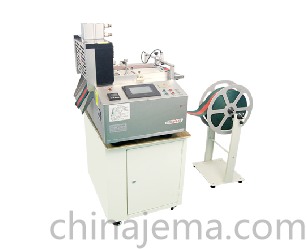
Functional components have a strong influence on the quality and usability of finished apparel. Zippers are particularly important because they combine fastening functionality with visual design. They appear in jackets, coats, sportswear, uniforms, outdoor clothing, bags, and numerous fashion products. Within this manufacturing environment, the zipper cutting machine supports organized component preparation and helps create a more consistent workflow for garment assembly.
A zipper is more than a simple fastening element. Its interaction with fabric affects the appearance, convenience, and overall performance of a garment. Smooth operation allows consumers to put on and remove clothing easily, while reliable construction contributes to confidence during repeated use. Proper preparation before sewing provides a stronger foundation for achieving these expectations.
Material technology has an important influence on zipper production. Zipper tapes may be produced from different textile structures and may be combined with various fastening materials depending on their intended application. Some garments prioritize flexibility, while others require stronger functional construction. Manufacturers therefore benefit from processing systems that can adapt to different material characteristics and production requirements.
JEMA supports modern textile manufacturers through automation solutions designed around practical production needs. Apparel factories increasingly manage diverse collections, customized products, and rapidly changing designs. This environment requires equipment and workflows that can accommodate variation without creating unnecessary complexity. Intelligent automation helps manufacturers organize repetitive processes while maintaining dependable production performance.
The core value of automation lies in consistency and coordination. Repetitive component preparation can demand significant attention when performed manually across extended production activities. Automated systems help stabilize routine operations, while experienced workers can concentrate on inspection, technical supervision, maintenance planning, and process improvement. This creates a more efficient division of responsibilities within the factory.
The consumer experience provides another important perspective. A zipper may occupy only a small part of a garment, yet its function can influence how convenient and comfortable that garment feels. Consumers expect fastening components to work naturally without distracting from the clothing itself. When functional details perform reliably, they contribute to confidence and positive perceptions of product quality.
Emotional value is especially important in fashion. People choose garments not only because they need protection or comfort, but also because clothing can express personality, lifestyle, and identity. A well-designed jacket or sports garment combines visual appeal with practical functionality. Reliable component preparation helps manufacturers preserve this balance between aesthetics and everyday usability.
Sustainability is also changing how apparel factories evaluate production technologies. Efficient processing can help reduce unnecessary waste and improve the use of textile resources. Intelligent automation supports these objectives through better workflow stability and more consistent operations. Responsible manufacturing can become part of a broader strategy that connects environmental awareness with operational efficiency.
As garment designs continue to diversify, the role of the zipper cutting machine becomes increasingly connected with flexible production. Manufacturers may need to support different zipper applications while maintaining consistent preparation quality. Adaptable automation allows factories to respond to new designs and changing customer expectations without losing control of production organization.
Digital technologies provide additional opportunities to improve textile manufacturing. Connected equipment and workflow monitoring can give production teams greater visibility into individual operations. This information can support better coordination, quality management, and continuous improvement. Over time, smarter production environments can help factories become more responsive to market changes.
JEMA continues to develop textile automation solutions that support efficient component processing and modern apparel manufacturing. Companies seeking professional production technologies can explore additional solutions through https://www.chinajema.com/product/, helping build flexible manufacturing workflows that connect technical reliability with the practical and emotional value of modern clothing.
- Technology for Students
- Admissions & Applications
- Online Courses
- Career and Jobs
- Campus Life
- Drinks
- Film
- Fitness
- Food
- الألعاب
- Gardening
- Health
- الرئيسية
- Literature
- Music
- Networking For Students
- Insights
- Party
- Religion
- Shopping
- Sports
- Theater
- Wellness
- Education News
- Business & Finance For Students
- Security, Law & Crime Education
- Insurance
- Science & Technology For Students
 Arabic
 English
 French
 Spanish
 Portuguese
 Deutsch
 Turkish
 Dutch
 Italiano
 Russian
 Romaian
 Portuguese (Brazil)
 Greek