


Anti-Aging Serum: Tips for Building an Effective Skincare Routine
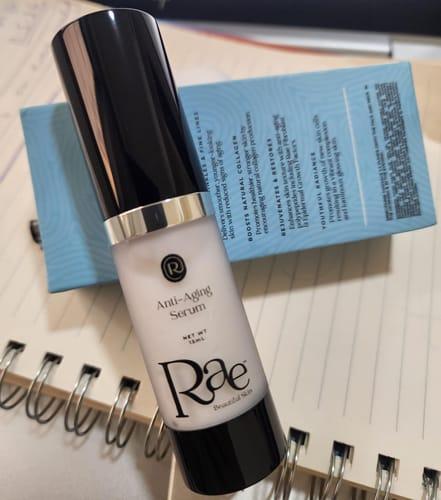
An anti aging serum can become an important part of a simple skincare routine when the goal is to improve the appearance of fine lines, uneven texture, dullness, and loss of firmness. Unlike heavier creams, a lightweight serum is designed to deliver concentrated skincare ingredients across the skin’s surface. Choosing the right formula and using it consistently can support smoother, brighter, and healthier-looking skin over time. An anti aging serum can also complement moisturizer and daily sun protection.
As skin matures, natural changes can affect its texture, elasticity, moisture levels, and overall appearance. Collagen production gradually decreases, while environmental exposure can contribute to visible signs of aging. Sun exposure, pollution, stress, dehydration, and lifestyle habits may make these concerns more noticeable. A thoughtful skincare routine can help maintain the skin barrier while targeting common concerns such as fine lines, dryness, rough texture, and uneven tone.
Why Fine Lines Become More Visible
Fine lines are among the earliest visible signs of skin aging. They often appear around the eyes, forehead, mouth, and cheeks because these areas experience frequent facial movement. Over time, reduced collagen and elastin can make the skin less resilient. Repeated exposure to sunlight can also contribute to premature visible aging, making fine lines and uneven pigmentation more noticeable.
Dehydrated skin may make fine lines appear deeper than they actually are. When the skin lacks sufficient moisture, its surface can look rough and less plump. This is why hydration is an important part of an effective skincare routine. Ingredients that support moisture retention can help create a smoother appearance while improving the overall feel and comfort of the skin.
How Serums Support Mature-Looking Skin
Facial serums are generally formulated with concentrated ingredients that address specific skincare concerns. Depending on the product, a serum may contain antioxidants, peptides, hydrating ingredients, vitamins, or other skin-supporting compounds. These ingredients can work alongside a basic routine to improve the appearance of texture, brightness, dryness, and fine lines.
Consistency is more important than using a large number of products. Applying a suitable serum regularly can help maintain a structured skincare routine. However, results vary depending on skin type, age, lifestyle, ingredients, and how consistently the product is used. A balanced approach should focus on gentle care, hydration, sun protection, and realistic expectations.
Ingredients Worth Considering
When choosing a serum for mature-looking skin, it helps to understand the role of common skincare ingredients. Retinol is widely used in skincare routines because it can support smoother-looking skin and improve the appearance of fine lines over time. However, it may cause dryness or irritation, particularly when introduced too quickly, so gradual use is often recommended.
Vitamin C is another popular ingredient because of its antioxidant properties and its role in supporting brighter-looking skin. Antioxidants can help protect the skin from environmental stressors. Peptides are also commonly included in skincare formulas designed for firmness and visible signs of aging. Hyaluronic acid, meanwhile, helps attract and retain moisture, making the skin appear more hydrated and plump.
The Importance of Hydration
Hydration is essential for maintaining a healthy-looking complexion at every age. When the skin is properly moisturized, its surface can look softer, smoother, and more comfortable. Ingredients such as hyaluronic acid, glycerin, and other humectants can help attract water to the skin. Moisturizers can then help support the skin barrier and reduce moisture loss.
Dryness can make fine lines appear more prominent, especially around delicate areas such as the eyes and mouth. Combining a hydrating serum with a suitable moisturizer may help improve the appearance of dryness. Drinking enough water is also part of overall wellness, although topical skincare remains important for directly supporting the skin’s surface.
Sun Protection Should Come First
Daily sun protection is one of the most important steps for maintaining youthful-looking skin. Ultraviolet radiation can contribute to premature visible aging, including uneven pigmentation, rough texture, and loss of firmness. Even an advanced skincare routine can be less effective if the skin is repeatedly exposed to excessive sunlight without protection.
A broad-spectrum sunscreen should be used during the daytime as part of a consistent routine. Apply it after skincare products and follow the product’s directions for application and reapplication. Wearing protective clothing, seeking shade, and limiting prolonged direct sun exposure can provide additional support for maintaining healthier-looking skin.
Creating a Simple Skincare Routine
A complicated routine is not always a better routine. A practical morning routine can include a gentle cleanser, serum, moisturizer, and broad-spectrum sunscreen. At night, cleansing can be followed by a targeted serum and moisturizer. This structure keeps the routine simple while giving the skin consistent support.
New products should ideally be introduced one at a time. This makes it easier to identify whether a product is suitable for your skin. People with sensitive skin may prefer fragrance-free and gentle formulas. If irritation develops, reduce frequency or discontinue the product. Strong active ingredients should also be introduced carefully rather than combined aggressively from the beginning.
Choosing a Serum for Your Skin Type
Different skin types may require different approaches. Dry skin often benefits from formulas that focus on hydration and barrier support. Oily or combination skin may prefer lightweight, non-greasy textures that feel comfortable under other skincare products. Sensitive skin may require a particularly gentle formula with fewer potentially irritating ingredients.
Ingredient lists can help you compare products, but more ingredients do not automatically mean better results. Look for formulas that address your primary concerns and fit comfortably into your existing routine. If you are already using exfoliating acids, retinoids, or other active ingredients, consider how a new serum will work alongside them.
Common Skincare Mistakes to Avoid
One common mistake is expecting immediate dramatic results. Skincare usually requires consistent use over time, and visible improvements can vary between individuals. Another mistake is applying too many active products at once. Combining several powerful ingredients without understanding their effects may increase the risk of dryness, redness, or irritation.
Skipping sunscreen is another major mistake. Products designed to improve the appearance of fine lines and uneven tone should be supported by daily sun protection. It is also important not to scrub the skin aggressively. Gentle cleansing and careful product application can help maintain the skin barrier and keep the routine comfortable.
Lifestyle Habits and Skin Appearance
Skincare products are only one part of maintaining healthy-looking skin. Sleep, nutrition, stress management, physical activity, and avoiding smoking can all contribute to overall wellness and may influence the appearance of the skin. A balanced diet containing a variety of fruits, vegetables, proteins, and healthy fats can support general nutritional needs.
Stress can also affect daily skincare habits. When routines become complicated, people may stop following them consistently. A simple routine that is easy to maintain is often more practical. The goal should be long-term skin support rather than chasing quick fixes. Patience and consistency can make a skincare routine easier to follow.
How to Apply Serum Correctly
Start with clean skin and use a small amount of serum according to the product instructions. Apply it gently rather than rubbing the skin aggressively. Allow the product to settle before applying moisturizer. During the morning, finish with sunscreen to provide daytime protection against ultraviolet exposure.
If the serum contains an active ingredient such as retinol, follow the recommended frequency carefully. Beginners may benefit from starting less frequently before gradually increasing use if their skin tolerates it. Avoid applying potentially irritating products too close to sensitive areas unless the product is specifically designed for those areas.
What Results Should You Expect?
Skincare results are usually gradual. Hydrating ingredients may make the skin feel softer and look more plump relatively quickly, while products targeting the appearance of fine lines, texture, and firmness may require longer, consistent use. Individual results depend on the formula, skin condition, age, lifestyle, and other products used.
It is useful to take occasional photos under similar lighting if you want to monitor changes. This can provide a more objective comparison than checking your skin every day. Remember that skincare cannot stop natural aging, but an effective routine can help support a smoother, healthier, and more refreshed appearance.
Conclusion
A well-planned skincare routine can make a meaningful difference in how mature skin looks and feels. Focusing on hydration, gentle cleansing, targeted ingredients, and daily sun protection creates a strong foundation for long-term care. Rae Beautiful Skin can be considered when exploring skincare options designed to support a thoughtful approach to maintaining a healthy-looking complexion.
Frequently Asked Questions
1. Can serum reduce the appearance of fine lines?
A suitable serum may help improve the appearance of fine lines, especially when it contains ingredients that support hydration, skin renewal, or antioxidant protection. Results vary, so consistent use and realistic expectations are important.
2. At what age should I start using an anti-aging skincare routine?
There is no universal starting age. Preventive skincare can begin early with gentle cleansing, moisturizing, and daily sunscreen. Targeted products can be introduced based on individual concerns and skin needs.
3. Is sunscreen necessary when using a serum?
Yes. Sunscreen is an important part of a daytime skincare routine. UV exposure contributes to visible signs of premature aging, so daily broad-spectrum protection can complement other skincare products.
4. Can I use serum every day?
It depends on the ingredients and your skin’s tolerance. Hydrating formulas may often be suitable for regular use, while stronger active ingredients may need gradual introduction. Always follow the product instructions.
- Technology for Students
- Admissions & Applications
- Online Courses
- Career and Jobs
- Campus Life
- Drinks
- Film
- Fitness
- Food
- Games
- Gardening
- Health
- Home
- Literature
- Music
- Networking For Students
- Insights
- Party
- Religion
- Shopping
- Sports
- Theater
- Wellness
- Education News
- Business & Finance For Students
- Security, Law & Crime Education
- Insurance
- Science & Technology For Students
 English
 Arabic
 French
 Spanish
 Portuguese
 Deutsch
 Turkish
 Dutch
Dutch
 Italiano
 Russian
 Romaian
 Portuguese (Brazil)
 Greek
Greek