Dental Implants in Pune | Complete Treatment for Missing Teeth
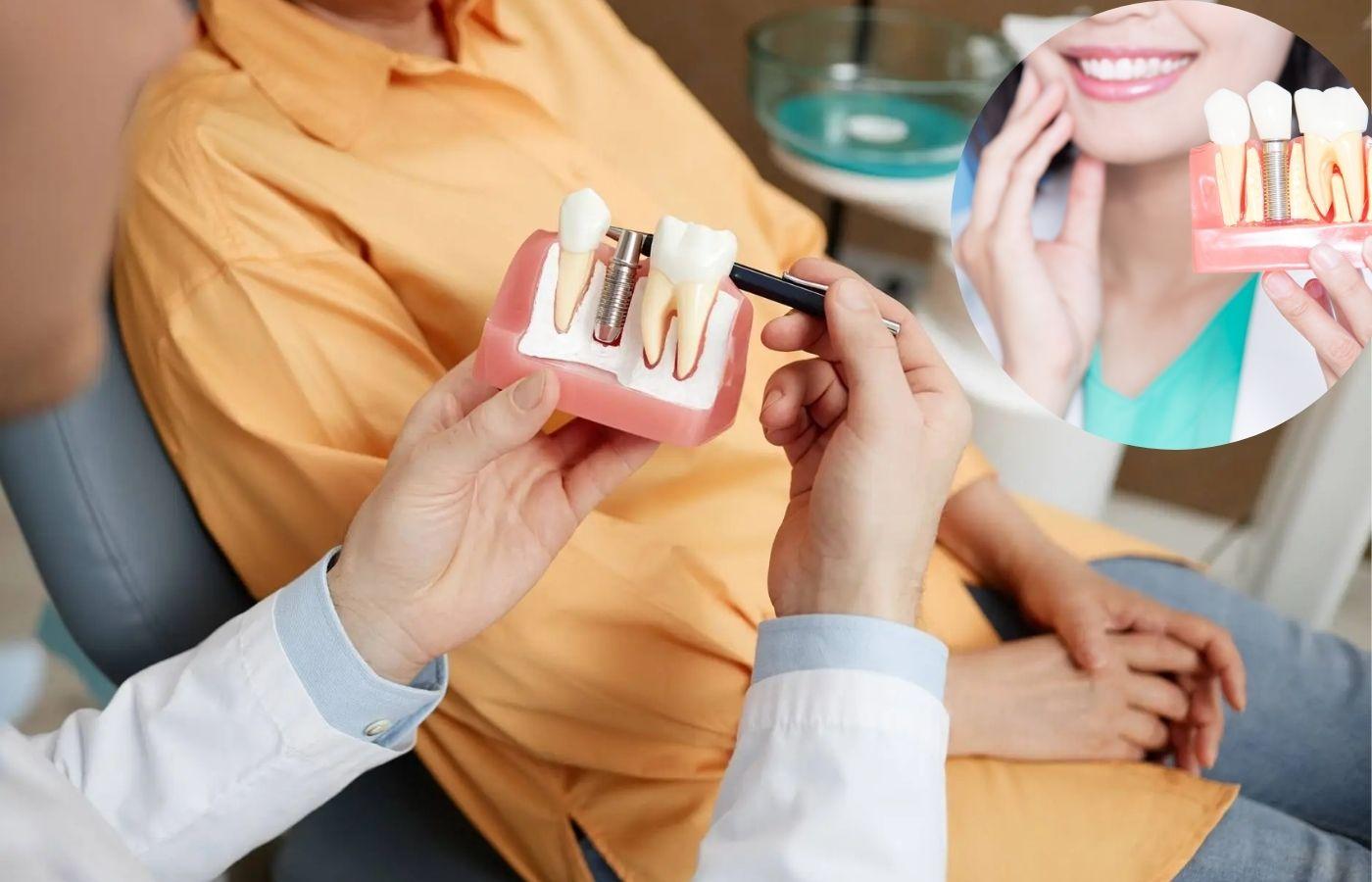
Missing teeth can affect much more than your smile. They may make chewing difficult, affect the way you speak, and reduce your confidence in social situations. If you have lost one or more teeth because of decay, injury, gum problems, or other reasons, a dental implant may be one of the treatment options recommended by a qualified dental professional.
If you are searching for dental implants in Pune, it is important to understand how the treatment works, who may be suitable for it, what the process involves, and what you can expect before and after treatment. This guide explains dental implant treatment in simple terms so you can make an informed decision with your dentist.
What Is a Dental Implant?
A dental implant is a small artificial tooth root that is placed into the jawbone to support a replacement tooth. Once the implant has integrated with the surrounding bone, a dental restoration such as a crown can be attached to restore the appearance and function of the missing tooth.
A complete dental implant treatment may involve:
- Implant: The artificial tooth root placed in the jawbone.
- Abutment: A connecting component that supports the replacement tooth.
- Dental crown: The visible tooth-shaped restoration placed over the implant.
The exact treatment plan depends on the number of missing teeth, oral health, bone condition, and other individual factors.
Why Are Dental Implants Performed?
A missing tooth can leave a gap that affects everyday activities such as eating and speaking. Over time, missing teeth may also contribute to changes in how the surrounding teeth function.
Dental implants are used to replace missing teeth and can help with:
- Restoring the ability to chew more comfortably
- Supporting a natural-looking smile
- Replacing individual missing teeth
- Supporting certain types of dental restorations
- Improving confidence after tooth loss
- Providing a stable foundation for a replacement tooth
However, dental implants are not automatically suitable for everyone. A dentist needs to examine your mouth and overall dental condition before recommending the treatment.
How Does Dental Implant Treatment Work?
Dental implant treatment usually takes place in stages rather than being completed in a single visit.
1. Dental Examination and Treatment Planning
The first step is a detailed dental examination. Your dentist may assess your gums, remaining teeth, jawbone, bite, and general oral health. Imaging may also be recommended when needed to understand the condition of the area being treated.
This evaluation helps the dentist decide whether an implant is appropriate and develop a treatment plan.
2. Implant Placement
During the implant procedure, the artificial tooth root is placed into the jawbone. The procedure is performed by a qualified dental professional using appropriate anesthesia and clinical techniques.
3. Healing and Bone Integration
After placement, the implant needs time to heal and become securely supported by the surrounding bone. This stage is important for creating a stable foundation for the replacement tooth.
The healing period varies from person to person and depends on factors such as the treatment area and individual healing.
4. Placement of the Replacement Tooth
Once the implant has healed sufficiently, the dentist can proceed with the next stage of restoration. An abutment may be connected to the implant, followed by a dental crown or another suitable restoration.
The dentist will check the fit, appearance, and function before completing the treatment.
Who May Be Suitable for Dental Implants?
Dental implant suitability depends on several factors. A dentist may consider:
- The number and location of missing teeth
- Gum health
- Jawbone condition
- Oral hygiene
- Existing dental problems
- Overall health and healing ability
- Smoking or tobacco use
- Whether additional dental treatment is required
If there is insufficient bone in the treatment area, additional procedures may sometimes be considered. Your dentist can explain the available options after examination.
Benefits of Dental Implants
When appropriately planned and maintained, dental implants can provide a stable way to replace missing teeth.
Potential benefits include:
- A fixed replacement compared with some removable options
- Improved chewing function
- Support for a natural-looking smile
- Replacement of individual missing teeth without relying solely on removable appliances
- A structured treatment approach for tooth replacement
The outcome can vary depending on oral health, treatment planning, hygiene, and individual circumstances.
What Should You Expect After the Procedure?
Some temporary discomfort, swelling, or sensitivity may occur after dental implant procedures. Your dentist will provide specific aftercare instructions based on the treatment performed.
General care may include:
- Following the dentist's instructions carefully
- Maintaining good oral hygiene
- Eating foods recommended during the healing period
- Avoiding activities that may interfere with healing
- Attending follow-up appointments
- Reporting unusual or persistent symptoms to your dental professional
Good oral hygiene is particularly important after implant treatment because the surrounding gums and remaining teeth still need regular care.
How Long Does Dental Implant Treatment Take?
The total duration of dental implant treatment varies. Some patients may complete treatment relatively quickly, while others require a longer healing period between stages.
The timeline can be affected by:
- The number of implants required
- Jawbone condition
- Gum health
- Need for additional procedures
- Individual healing
- Type of restoration being planned
Your dentist can provide a more realistic treatment timeline after examining your dental condition.
What Affects the Cost of Dental Implants in Pune?
The cost of a dental implant in Pune can vary considerably depending on the patient's treatment requirements. Instead of relying on a fixed online price, it is better to obtain a treatment plan and cost estimate following a dental examination.
Factors that can influence the cost include:
- Number of teeth being replaced
- Type of implant and restoration
- Dental crown selected
- Diagnostic examinations
- Additional procedures, if required
- Complexity of the case
- Follow-up and restoration requirements
Discuss all treatment stages and associated costs with your dental clinic before beginning the procedure.
Why Choose Diagnopein?
Diagnopein provides dental care services in Pune and offers patients an option to explore dental treatment based on their individual requirements. The Diagnopein dental clinic is located at Trimurti Niwas, Survey, Kharadkar Nagar, Wadgaon Sheri, Pune, Maharashtra 411014.
Patients considering dental implants can discuss their concerns with the dental team, undergo an appropriate evaluation, and understand the treatment options available for their missing teeth.
For more information about dental services in Pune, visit the Diagnopein Dental Clinic Pune.
Frequently Asked Questions About Dental Implants
1. Is a dental implant suitable for everyone?
No. Suitability depends on factors such as gum health, jawbone condition, oral hygiene, existing dental problems, and overall health. A dental examination is necessary before treatment.
2. Is dental implant treatment painful?
The procedure is performed using appropriate anesthesia, so discomfort during the procedure is managed. Some soreness, swelling, or sensitivity may occur during recovery. Your dentist will provide appropriate aftercare guidance.
3. How long does a dental implant take?
Dental implant treatment is usually completed in stages. The overall timeline varies depending on healing, the condition of the jawbone and gums, the number of implants, and whether additional procedures are needed.
4. How should I care for a dental implant?
Continue good oral hygiene, follow your dentist's instructions, attend recommended follow-up visits, and maintain regular dental check-ups. Proper care of the implant and surrounding teeth is important.
5. When should I consult a dentist about a missing tooth?
You can consult a qualified dentist if you have one or more missing teeth, difficulty chewing, concerns about your bite, or questions about tooth replacement options. An examination can help determine which treatment is appropriate for your situation.
Conclusion
A dental implant can be an important option for people looking to replace missing teeth and restore everyday dental function. Because every patient's oral condition is different, proper examination and treatment planning are essential before proceeding.
If you are considering dental implants in Pune, speak with a qualified dental professional to understand your options, expected treatment stages, recovery requirements, and overall cost.
- Technology for Students
- Admissions & Applications
- Online Courses
- Career and Jobs
- Campus Life
- Drinks
- Film
- Fitness
- Food
- Παιχνίδια
- Gardening
- Health
- Κεντρική Σελίδα
- Literature
- Music
- Networking For Students
- Insights
- Party
- Religion
- Shopping
- Sports
- Theater
- Wellness
- Education News
- Business & Finance For Students
- Security, Law & Crime Education
- Insurance
- Science & Technology For Students
 Greek
Greek
 English
 Arabic
 French
 Spanish
 Portuguese
 Deutsch
 Turkish
 Dutch
Dutch
 Italiano
 Russian
 Romaian
 Portuguese (Brazil)