With electricity prices increasing and the demand for clean energy growing, more homeowners and businesses in Pakistan are switching to solar power. However, before investing in solar energy, it's important to understand the different types of solar systems available. Choosing the right system depends on your electricity usage, budget, location, and backup power requirements.
The three main types of solar systems are On-Grid Solar Systems, Hybrid Solar Systems, and Off-Grid Solar Systems. Each system has its own advantages and is suitable for different applications. DSG Energy provides customised solar solutions for residential, commercial, industrial, and agricultural customers across Pakistan, helping clients choose the most suitable system for their energy needs. DSG Energy recommends selecting the system type based on energy demand, budget, and whether backup power is required.
What Is a Solar System?
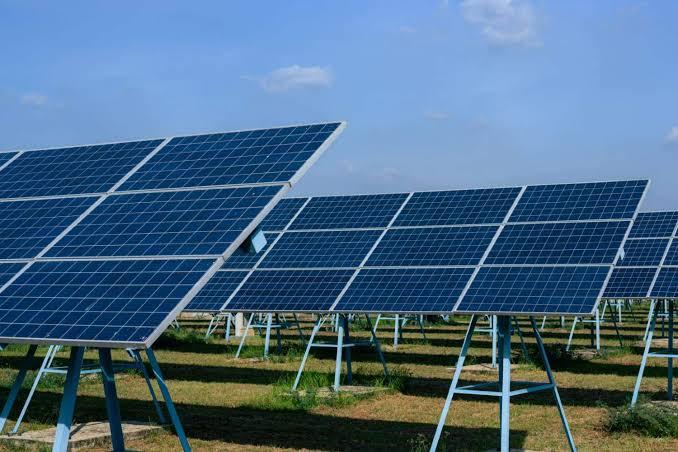
A solar system is a renewable energy solution that converts sunlight into electricity using photovoltaic (PV) panels. The electricity generated can be used immediately, stored in batteries, or exported to the national grid through net metering, depending on the system configuration.
A typical solar system consists of:
- Solar panels
- Solar inverter
- Mounting structure
- Electrical protection devices
- Monitoring system
- Battery storage (for hybrid and off-grid systems)
Together, these components provide clean, reliable, and cost-effective electricity for homes and businesses.
1. On-Grid Solar System
An On-Grid Solar System, also known as a Grid-Tied Solar System, is directly connected to the national electricity grid. It is the most commonly installed solar system in Pakistan for homes and commercial buildings.
During the day, solar panels generate electricity to power your property. If the system produces more electricity than you consume, the excess energy can be exported to the utility grid through net metering, where available. At night or during low sunlight, electricity is supplied from the grid.
Benefits of On-Grid Solar Systems
- Lower electricity bills
- Net metering benefits
- Lower installation cost
- No battery maintenance
- High energy efficiency
- Faster return on investment
Best For
- Residential homes
- Offices
- Commercial buildings
- Schools
- Hospitals
- Retail businesses
If your area has a reliable electricity supply and you want to maximise savings, an on-grid solar system is often the most cost-effective option.
2. Hybrid Solar System
A Hybrid Solar System combines the features of both on-grid and off-grid systems. It remains connected to the utility grid while also including battery storage.
During the day, the system powers your property and charges the batteries. If excess electricity is generated, it can be exported to the grid through net metering (subject to local regulations). During power outages or at night, the batteries provide backup electricity.
Benefits of Hybrid Solar Systems
- Backup power during load shedding
- Reduced electricity bills
- Battery energy storage
- Better energy independence
- Expandable battery capacity
- Improved energy management
Best For
- Homes experiencing frequent power outages
- Offices requiring uninterrupted operations
- Small businesses
- Healthcare facilities
- Educational institutions
Hybrid systems are an excellent choice for users who want both electricity savings and reliable backup power.
3. Off-Grid Solar System
An Off-Grid Solar System operates independently without relying on the national electricity grid. It stores electricity in batteries, allowing users to access power even at night or during cloudy weather.
Off-grid systems are commonly installed in locations where grid electricity is unavailable or unreliable.
Benefits of Off-Grid Solar Systems
- Complete energy independence
- Reliable electricity in remote areas
- No dependence on utility companies
- Ideal for rural locations
- Battery-powered backup
Best For
- Remote villages
- Farmhouses
- Agricultural land
- Construction sites
- Areas without grid access
Although off-grid systems require batteries and have higher initial costs, they provide complete independence from the electricity grid.
Comparison of Solar System Types
| Feature |
On-Grid |
Hybrid |
Off-Grid |
| Connected to Grid |
Yes |
Yes |
No |
| Battery Storage |
No |
Yes |
Yes |
| Backup During Power Outage |
No (standard systems) |
Yes |
Yes |
| Net Metering |
Yes |
Yes |
No |
| Initial Investment |
Lower |
Medium |
Higher |
| Electricity Bill Savings |
High |
High |
Complete independence from grid |
Which Solar System Is Right for You?
Choosing the right solar system depends on several factors, including your electricity usage, budget, and whether you need backup power.
Choose an On-Grid System If:
- You have a reliable electricity supply.
- Your goal is to reduce monthly electricity bills.
- You want to benefit from net metering.
- You do not require battery backup.
Choose a Hybrid System If:
- Your area experiences frequent power outages.
- You need uninterrupted electricity.
- You want both battery backup and net metering.
- You plan to expand your energy storage in the future.
Choose an Off-Grid System If:
- Your property is located in a remote area.
- Grid electricity is unavailable.
- You want complete energy independence.
- You require reliable electricity without relying on utility companies.
Why Choose DSG Energy?
DSG Energy is one of Pakistan's leading renewable energy companies, providing complete turnkey solar solutions for residential, commercial, industrial, and agricultural customers.
The company offers:
- Custom solar system design
- Professional engineering
- Tier-1 solar panels
- High-efficiency inverters
- Expert installation
- Net metering assistance
- Cloud-based monitoring
- Long-term maintenance support
Every solar system is designed according to the customer's electricity consumption, property size, and long-term energy goals, ensuring maximum efficiency and return on investment.
Why More Pakistanis Are Choosing Solar
The demand for solar energy continues to grow because it offers significant financial and environmental benefits.
Some of the biggest advantages include:
- Lower electricity bills
- Protection against rising energy prices
- Clean renewable energy
- Increased property value
- Low maintenance
- Long equipment lifespan
- Reduced carbon footprint
With professional installation and quality components, a solar system can provide reliable electricity for more than 25 years.
Conclusion
Understanding the different types of solar systems is the first step toward making a smart energy investment. Whether you choose an On-Grid, Hybrid, or Off-Grid Solar System, selecting the right solution depends on your energy requirements, location, and long-term goals.
DSG Energy helps homeowners, businesses, industries, and agricultural customers choose the most suitable solar system through expert consultation, customised design, premium equipment, professional installation, and dependable after-sales support. If you're ready to switch to clean and cost-effective energy, DSG Energy can deliver a solar solution tailored to your specific needs.



 Russian
 English
 Arabic
 French
 Spanish
 Portuguese
 Deutsch
 Turkish
 Dutch
Dutch
 Italiano
 Romaian
 Portuguese (Brazil)
 Greek
Greek