


Acute Musculoskeletal Pain: What Your Body Is Trying to Tell You
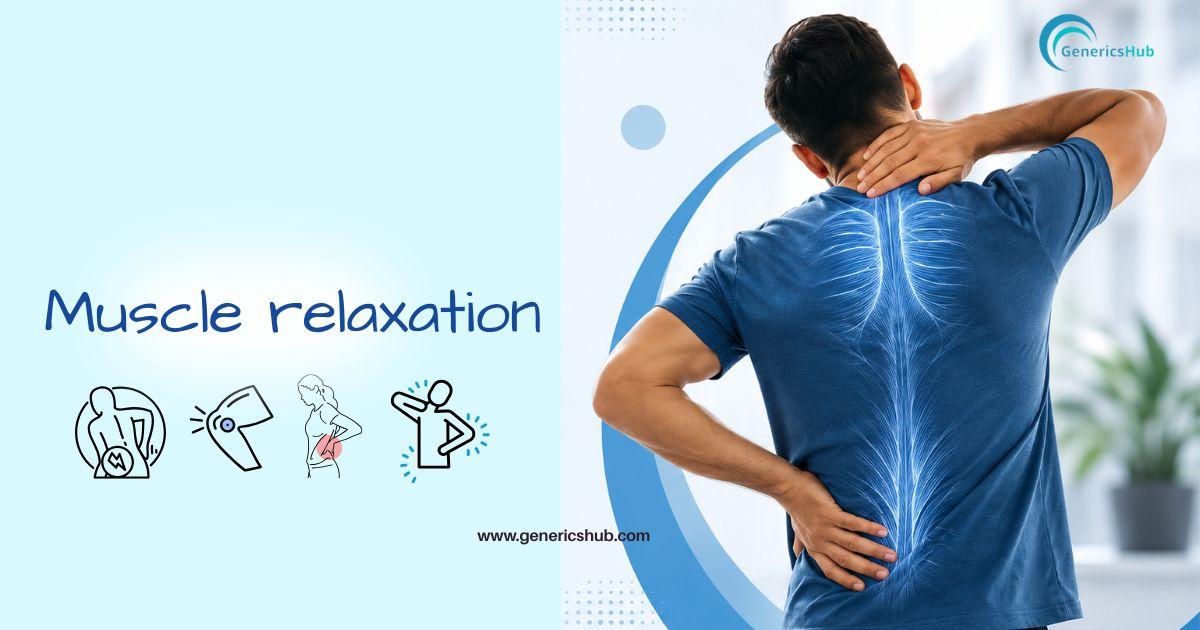
Acute musculoskeletal pain can appear suddenly after a workout, an awkward movement, a minor injury, or even a long day spent sitting at a desk. It may feel like a sharp twinge, a dull ache, muscle tightness, or stiffness that makes everyday activities more difficult.
Although acute pain is often temporary, it should not always be ignored. Pain is one of the body's ways of signalling that something needs attention. Understanding the possible causes, symptoms, and warning signs can help you make informed decisions about your health and know when professional medical advice is needed.
What Is Acute Musculoskeletal Pain?
Acute musculoskeletal pain refers to pain affecting the muscles, bones, joints, ligaments, tendons, or other supporting tissues. It generally develops suddenly and lasts for a relatively short period, often improving as the underlying injury or irritation heals.
Common examples include:
· Muscle strains
· Sprains
· Back pain
· Neck pain
· Shoulder pain
· Joint discomfort
· Sports-related injuries
· Muscle spasms
· Pain after unusual physical activity
The intensity can range from mild discomfort to severe pain that limits movement. In some cases, the affected area may also feel tender, swollen, stiff, or weak.
While the source of pain may seem obvious after an injury, sometimes discomfort develops without a clear trigger. In these situations, paying attention to other symptoms and how the pain changes over time is particularly important.
What Is Your Body Trying to Tell You?
Pain is not necessarily a sign that something is seriously wrong. In many cases, it is a protective response. Your body may be telling you to slow down, rest, change your movement patterns, or allow an injured area time to recover.
For example, sudden pain after lifting a heavy object may indicate that a muscle or supporting tissue has been overstretched. Similarly, stiffness after prolonged sitting may be related to reduced movement and muscle tension.
However, pain can have many causes. The message your body is sending depends on the location, severity, duration, and accompanying symptoms.
1. You May Have Overworked a Muscle
One of the most common causes of acute musculoskeletal pain is physical overexertion. Increasing exercise intensity too quickly, lifting heavy objects, or performing repetitive movements can place additional stress on muscles and connective tissues.
You may experience soreness, tightness, or tenderness in the affected area. Rest and gradual recovery may help, depending on the cause.
2. You May Have a Muscle Strain
A strain occurs when a muscle or tendon is overstretched or injured. It can happen during sports, exercise, lifting, or sudden movements.
Symptoms may include:
· Localised pain
· Muscle tenderness
· Swelling
· Reduced range of motion
· Weakness
· Muscle spasms
The severity of a strain can vary considerably. More significant injuries may require assessment by a healthcare professional.
3. Your Muscles May Be Spasming
A muscle spasm is an involuntary tightening of a muscle. It can occur suddenly and may cause intense, temporary pain.
Muscle spasms can be associated with overuse, dehydration, muscle fatigue, or certain injuries. They commonly affect areas such as the back, neck, legs, and shoulders.
If spasms repeatedly occur or become increasingly painful, medical evaluation can help identify the underlying cause.
4. Your Posture May Be Contributing to Pain
Modern lifestyles often involve long periods of sitting, driving, or using computers and mobile devices. Poor posture and limited movement may contribute to muscle tension and discomfort, particularly in the neck, shoulders, and lower back.
If pain repeatedly returns after sitting for extended periods, consider whether your workstation, sleeping position, or daily movement habits could be contributing factors.
Regular movement, appropriate ergonomics, and strengthening exercises may be useful for some people.
Common Causes of Musculoskeletal Pain
There are numerous potential causes of musculoskeletal discomfort. Some are temporary, while others may require ongoing management.
Common causes include:
· Physical activity or overuse
· Sports injuries
· Falls or accidents
· Poor posture
· Repetitive movements
· Muscle strains and sprains
· Joint problems
· Age-related changes
· Certain inflammatory conditions
Some underlying musculoskeletal conditions can also cause recurring or persistent pain. These may include arthritis and other disorders affecting muscles, bones, joints, or connective tissues.
Because the causes vary, persistent or unexplained pain should be discussed with a healthcare professional rather than self-diagnosed.
Acute vs Chronic Musculoskeletal Pain
Understanding the difference between acute and chronic pain can help you recognise when further evaluation may be appropriate.
Acute pain generally develops suddenly and is often associated with a specific event, injury, or temporary condition. It may improve as the body heals.
Chronic pain continues for a longer period and may persist even after the original injury has healed. It can be associated with long-term health conditions or complex pain mechanisms.
The transition from acute to persistent pain is not always straightforward. If pain is not improving as expected, a healthcare professional can help determine why.
How Is Acute Musculoskeletal Pain Managed?
Treatment depends on the cause and severity of the pain. For minor injuries, conservative approaches may include temporary rest, gentle movement, and avoiding activities that worsen symptoms.
Depending on the injury, healthcare professionals may recommend:
· Rest from aggravating activities
· Gradual return to normal movement
· Physical therapy
· Stretching or strengthening exercises
· Hot or cold therapy when appropriate
· Over-the-counter pain relief when suitable
· Prescription medicines in selected cases
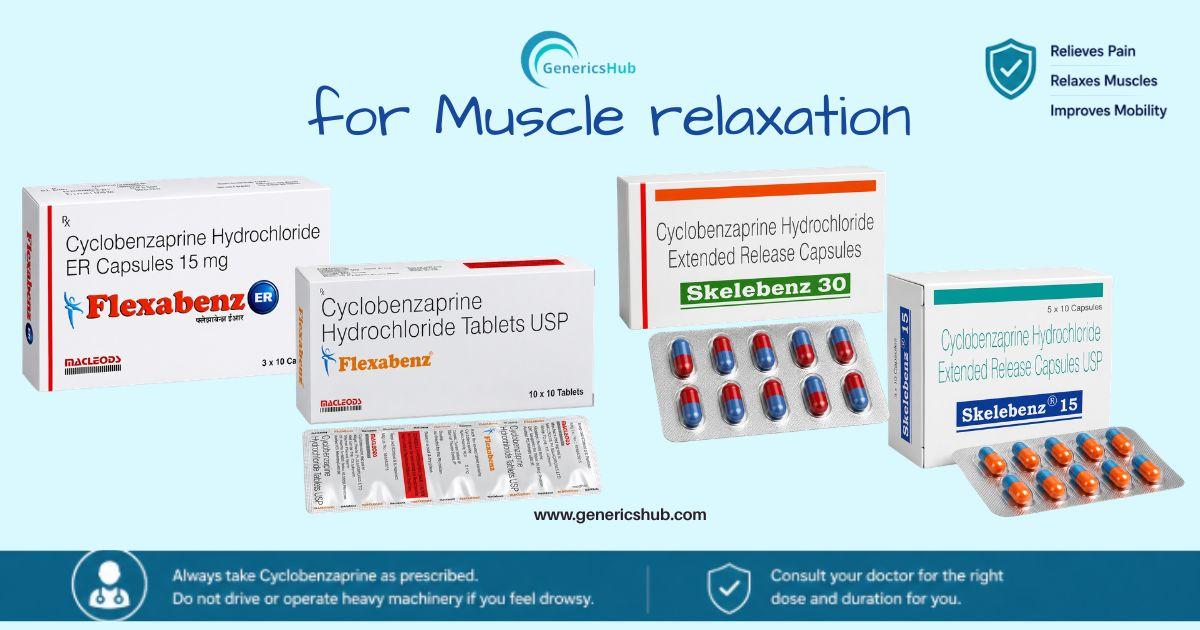
For people experiencing significant muscle spasms, a healthcare professional may sometimes prescribe a muscle relaxant. Flexabenz tablet is a product associated with cyclobenzaprine, a prescription muscle relaxant used in some settings for short-term relief of muscle spasm associated with acute, painful musculoskeletal conditions.
If you have been prescribed a Flexabenz 5mg tablet, take it only as directed by your healthcare professional. Cyclobenzaprine can cause drowsiness and may interact with alcohol and other medicines, so it is important to follow professional advice and check the product information supplied with your prescription.
How Long Does Cyclobenzaprine Last?
A common question among people prescribed cyclobenzaprine is: how long does cyclobenzaprine last?
The answer depends on the formulation, individual metabolism, dose, and other factors. Immediate-release cyclobenzaprine is generally taken several times a day when prescribed, while extended-release formulations are designed for less frequent dosing.
The effects of cyclobenzaprine may include muscle relaxation and drowsiness. Because individual responses differ, you should not assume that feeling less drowsy means the medicine has completely left your system.
If you are taking cyclobenzaprine, avoid driving or operating machinery until you know how it affects you. Always follow your prescriber's instructions regarding dose and timing.
When Should You See a Doctor?
Most minor cases of acute musculoskeletal pain improve with time and appropriate care. However, some symptoms require prompt medical attention.
Seek professional medical advice if:
· Pain is severe or rapidly worsening
· You cannot move the affected body part normally
· There is significant swelling or deformity
· Pain follows a serious accident or injury
· You experience unexplained weakness or numbness
· You develop persistent fever alongside pain
· Symptoms continue without improvement
· Pain repeatedly returns without an obvious cause
Back pain accompanied by loss of bladder or bowel control, numbness around the groin area, or significant weakness requires urgent medical assessment.
How Can You Reduce Your Risk of Future Pain?
Although not every injury can be prevented, several habits may help support musculoskeletal health.
Start new exercise routines gradually rather than suddenly increasing intensity. Warm up before demanding physical activity, use appropriate technique when lifting, and take regular breaks from prolonged sitting.
Maintaining good posture, staying physically active, getting adequate sleep, and following a balanced diet can also support overall health.
If you have previously experienced an injury, rehabilitation and strengthening exercises recommended by a qualified professional may help you return safely to normal activities.
Final Thoughts
Acute musculoskeletal pain is common and can affect almost anyone. Whether it develops after exercise, an awkward movement, prolonged sitting, or an injury, pain is often your body's way of telling you to pay attention.
The key is to understand the message without immediately assuming the worst. Minor pain may improve with appropriate self-care and time, while persistent, severe, or unexplained symptoms deserve professional evaluation.
For people prescribed treatments such as a Flexabenz tablet or Flexabenz 5mg tablet, understanding how the medicine works and how long does cyclobenzaprine last can help support safer medication use. However, prescription medicines should always be used according to the advice of a qualified healthcare professional.
By listening to your body, recognising warning signs, and seeking appropriate care when necessary, you can take a more informed approach to managing pain and protecting your long-term musculoskeletal health.
- Technology for Students
- Admissions & Applications
- Online Courses
- Career and Jobs
- Campus Life
- Drinks
- Film
- Fitness
- Food
- Jogos
- Gardening
- Health
- Início
- Literature
- Music
- Networking For Students
- Insights
- Party
- Religion
- Shopping
- Sports
- Theater
- Wellness
- Education News
- Business & Finance For Students
- Security, Law & Crime Education
- Insurance
- Science & Technology For Students
 Portuguese (Brazil)
 English
 Arabic
 French
 Spanish
 Portuguese
 Deutsch
 Turkish
 Dutch
Dutch
 Italiano
 Russian
 Romaian
 Greek
Greek