


What Geographic Markets Does Lhmachinery Serve With Resin Zipper Machinery
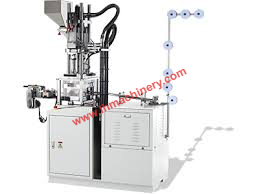
Tracking the geographic distribution of resin zipper consumption reveals clear patterns tied to manufacturing infrastructure, labor availability, and trade relationships. Apparel production dominates the demand landscape, with zipper usage per garment varying from three units on jackets to single units on basic trousers. Luggage manufacturing consumes larger zippers in greater quantities per item, while footwear and industrial applications add distinct requirements. Understanding where these industries concentrate helps machinery manufacturers align production capabilities with regional needs. Which regions and countries are the largest markets for resin zipper products? Lhmachinery, operating through LongHui Machinery, has analyzed these patterns to position its automatic resin zipper equipment effectively across global supply chains.
Asia represents the dominant resin zipper market by volume, with China leading global production and consumption. The country's apparel manufacturing sector, concentrated in Guangdong, Zhejiang, Jiangsu, and Fujian provinces, consumes massive quantities of zippers for both domestic consumption and export orders. Luggage production hubs in Guangzhou, Wenzhou, and Shanghai add substantial demand. India follows as a growing market, with its textile and garment sectors expanding rapidly to capture shifting sourcing preferences. Bangladesh and Vietnam register increasing consumption as global brands diversify manufacturing locations beyond China. These Asian markets require resin zippers in multiple sizes, colors, and configurations, driving demand for flexible machinery that can adapt to varied production requirements.
Europe represents a different consumption pattern. While limited domestic manufacturing occurs in Southern and Eastern European countries, the region functions as a significant design and specification center. Global brands headquartered in Italy, France, Germany, and the United Kingdom specify resin zipper requirements for collections produced elsewhere, influencing material choices and quality standards. These specifications often favor superior colorfastness, specific tooth shapes, and particular slider designs. European distributors and agents facilitate sourcing relationships between Asian manufacturers and Western brand owners. The regulatory environment, including REACH and OEKO-TEX requirements, shapes material composition decisions for resin zippers destined for European markets.
The United States and Canada form another substantial consumption region. Apparel and luggage brands source resin zippers through centralized procurement offices, often specifying compliance with ASTM standards and California Proposition 65 requirements. The US market shows strong preference for durable resin zippers in outdoor and sports applications, including backpacks, camping gear, and performance apparel. Brand reputation and quality consistency matter heavily in this market, where product liability concerns drive specification rigor. While US domestic zipper production remains minimal, distribution networks and fulfillment centers maintain extensive inventories to serve brand customers and contract manufacturers.
South America presents growth opportunities, particularly in Brazil and Argentina. Local apparel manufacturing serves domestic markets and neighboring countries, with resin zipper consumption following regional textile production patterns. Import duties and local content requirements influence sourcing decisions, often encouraging in-country assembly or licensed production. Machinery suppliers serving this region must navigate customs procedures and provide technical support across language barriers. The market shows particular interest in colorful resin zippers for fashion applications and durable options for workwear and outdoor equipment.
Africa's resin zipper market remains nascent but shows potential for expansion. Countries with developing textile sectors, including Ethiopia, Kenya, and South Africa, gradually increase zipper consumption as export-oriented garment manufacturing grows. Infrastructure limitations and supply chain challenges affect reliable access to production materials, including resin zipper components. Machinery suppliers willing to invest in training and after-sales support may capture early market share in these developing regions.
Australia and New Zealand represent smaller but quality-conscious markets. Resin zipper consumption primarily serves domestic apparel brands and industrial applications including outdoor gear and marine products. Environmental considerations and sustainability requirements shape procurement decisions, with some customers demanding recycled-content materials or extended durability specifications. Distribution typically flows through Asian suppliers with local representation or direct online channels.
Trade dynamics continue to reshape regional consumption patterns. Tariff structures, trade agreements, and geopolitical relationships influence where apparel and luggage manufacturing occurs, with corresponding effects on resin zipper demand. Manufacturers must monitor these shifts and adjust capacity and distribution accordingly. Machinery suppliers like Lhmachinery must position equipment where production growth will occur, anticipating shifts in manufacturing geography.
Production technology selection varies by region. High-volume Asian operations prioritize speed and automation, often deploying fully automatic injection molding systems with minimal operator intervention. European and American specialty manufacturers may favor flexibility over output, selecting machines capable of rapid changeovers for small-batch production. Lhmachinery's automatic resin zipper equipment accommodates both operating philosophies, offering configurations suitable for diverse production environments.
The detailed specifications and regional application examples for this equipment are available at https://www.lhmachinery.com/product/automatic-injection-zipper-molding-machine/automatic-resin-zipper-machine.html. The product documentation explains how each machine configuration aligns with specific regional production priorities. Manufacturers selecting equipment for particular geographic markets benefit from understanding both the machinery capabilities and the consumption patterns they will serve. Does your manufacturing location offer proximity to the world's largest resin zipper consumption centers?
- Technology for Students
- Admissions & Applications
- Online Courses
- Career and Jobs
- Campus Life
- Drinks
- Film
- Fitness
- Food
- Jeux
- Gardening
- Health
- Domicile
- Literature
- Music
- Networking For Students
- Insights
- Party
- Religion
- Shopping
- Sports
- Theater
- Wellness
- Education News
- Business & Finance For Students
- Security, Law & Crime Education
- Insurance
- Science & Technology For Students
 French
 English
 Arabic
 Spanish
 Portuguese
 Deutsch
 Turkish
 Dutch
Dutch
 Italiano
 Russian
 Romaian
 Portuguese (Brazil)
 Greek
Greek