


Fun Activities to Keep Your Cat Fit and Healthy
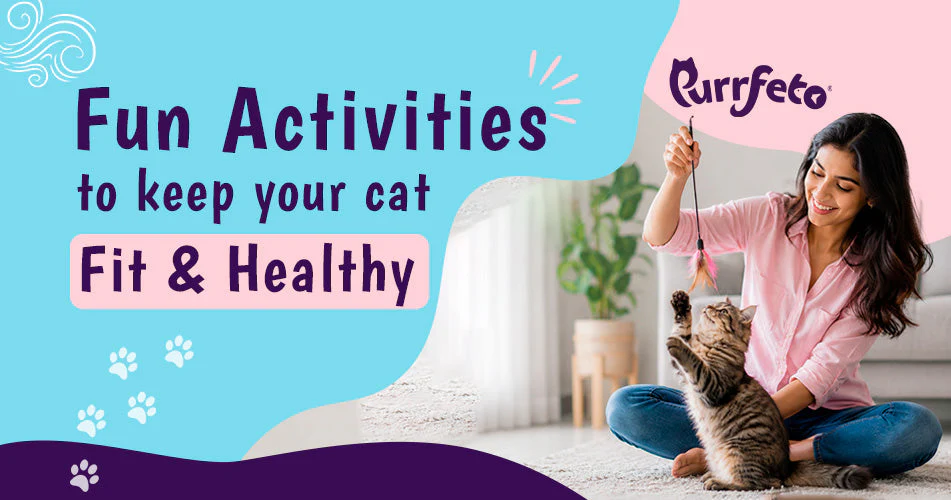
Keeping your cat active is one of the best ways to support their physical health, mental wellbeing, and overall happiness. Just like people, cats need regular movement to maintain strength, manage their weight, and stay mentally stimulated.
Whether your cat spends most of its time indoors or has access to a larger space, a consistent cat exercise routine can help prevent boredom, weight gain, and unwanted behaviours. Even a few short play sessions each day can support better energy levels, mobility, and long-term cat fitness.
Along with regular activity, a complete and balanced diet can provide the nutrition your cat needs to support an active lifestyle.
Why Is Cat Exercise Important?
Regular movement plays an important role in your cat's overall health. Exercise can help:
- Burn excess calories
- Support a healthy body weight
- Maintain muscle strength
- Support joint mobility
- Reduce boredom
- Provide mental stimulation
- Encourage natural hunting behaviours
Cats that do not get enough physical or mental activity may become bored, gain excess weight, or develop unwanted behaviours such as excessive scratching, constant meowing, or aggression.
Daily cat exercise gives your cat a healthy way to use their energy and express natural behaviours. This is particularly important for indoor cats, which may not have the same opportunities to roam, climb, chase, and explore as outdoor cats.
Why Indoor Cat Exercise Matters
Indoor cats often enjoy a safe and comfortable environment, but they may not get enough natural movement throughout the day. Many indoor cats spend long periods sleeping or relaxing, which can eventually contribute to low activity levels and weight gain.
This is why indoor cat exercise is so important.
You can encourage your cat to move more by adding:
- Interactive toys
- Scratching posts
- Cat trees
- Climbing shelves
- Tunnels
- Short play sessions
- Puzzle feeders
Creating an environment that encourages climbing, jumping, chasing, and exploring can help improve your cat's daily activity levels and support better cat fitness.
Fun Activities for Cats at Home
The best fun activities for cats are often simple, interactive, and based on their natural instincts.
Cats naturally enjoy activities that mimic hunting. Chasing, stalking, pouncing, and searching can all make playtime more exciting.
Try activities such as:
- Tossing small toys across the room
- Using feather wands
- Creating tunnels from boxes
- Setting up simple obstacle courses
- Encouraging your cat to climb a cat tree
- Hiding toys around the house
- Using puzzle feeders
Short play sessions are often more effective than one long session. Try spending around 10 to 15 minutes playing with your cat several times a day.
Games to Play With Cats
There are many entertaining games to play with cats that provide both physical exercise and mental stimulation.
Chase Games
Use a feather wand or interactive toy to encourage your cat to chase, jump, and pounce. Move the toy in different directions to keep the activity unpredictable and engaging.
Hide-and-Seek Games
Hide small toys or treats around safe areas of your home and encourage your cat to find them. This activity helps stimulate their natural hunting instincts.
Laser Games
Laser toys can encourage cats to run and jump. However, always avoid shining a laser directly into your cat's eyes. It can also be helpful to finish the game with a physical toy or treat so your cat has something tangible to catch.
Puzzle Toys
Puzzle toys encourage cats to think, explore, and work for treats or food. They can provide valuable mental stimulation while encouraging movement.
Rotating different activities can help prevent boredom and keep playtime interesting.
How to Keep Cats Active Every Day
If you are wondering how to keep cats active, consistency is one of the most important factors.
Try creating a daily routine that includes short play sessions. Many cats are naturally more active during the early morning and evening, so these may be ideal times for interactive play.
You can also encourage movement by placing:
- Scratching posts in different rooms
- Toys in accessible areas
- Climbing spaces at different heights
- Tunnels and boxes around the home
Food-based activities can also encourage cats to move. Puzzle feeders, treat games, and food-dispensing toys make cats work for their meals while adding mental stimulation to their day.
Nutrition and Cat Fitness
Regular exercise works best when combined with appropriate nutrition. An active cat needs a complete and balanced diet that supports its daily energy requirements.
Moisture-rich wet food can also contribute to a cat's overall fluid intake. For example, Purrfeto Ocean Platter Jelly contains up to 87.5% moisture and is formulated with ocean fish, taurine, and Omega-3 and Omega-6 fatty acids. These nutrients can support overall nutrition, vision, immunity, and skin and coat health.
Its soft jelly texture may also be appealing to cats that prefer moist food. As with any diet, food should be selected according to your cat's individual needs and life stage.
Dry food can also be part of an active indoor cat's daily routine. A protein-rich formula made with ingredients such as chicken and ocean fish can provide nutrients to support daily energy and overall health.
Some formulas may also include ingredients such as cranberries and fibre to support urinary health and digestion. Fibre can also help manage hairball formation in some cats.
The most suitable diet depends on your cat's age, lifestyle, health, preferences, and nutritional needs. Discover Fun Activities to Keep Your Cat Fit and Healthy while encouraging daily exercise and mental stimulation.
Building a Healthy Cat Fitness Routine
Every cat has a different personality and energy level. A playful kitten may need several active play sessions each day, while an older cat may prefer gentle activities.
When creating a cat fitness routine, consider:
- Your cat's age
- Energy level
- Personality
- Weight
- Mobility
- Overall health
Kittens generally enjoy energetic play involving chasing and jumping. Adult cats may benefit from a mixture of physical activity and puzzle games. Older cats may prefer gentle movement, interactive toys, and low-impact climbing.
The goal is not to force your cat to exercise. Instead, create opportunities for natural movement and allow your cat to participate at their own pace.
Tips to Make Cat Exercise More Engaging
Cats can quickly become bored with the same toy or activity. Keeping playtime varied can help maintain their interest.
Try these tips:
Rotate Toys
Keep some toys stored away and introduce them again later. A toy may seem more interesting when your cat has not seen it for a while.
Use Interactive Toys
Toys that move unpredictably can encourage chasing and pouncing.
Schedule Playtime
Consistent play sessions can help establish a healthy daily routine.
Try Different Activities
Switch between chasing games, puzzle toys, climbing, and searching activities.
Use Positive Reinforcement
Praise, attention, and occasional treats can encourage your cat to participate in play.
Create Vertical Space
Cat trees, shelves, and other safe elevated areas can encourage climbing and exploration.
How Much Exercise Does an Indoor Cat Need?
Many indoor cats benefit from approximately 20 to 30 minutes of activity each day, divided into several shorter play sessions.
However, there is no single amount that is perfect for every cat. A kitten may require more active play, while a senior cat may need gentler activities.
Pay attention to your cat's behaviour. If your cat appears tired, stressed, or uncomfortable, allow them to rest.
Signs Your Cat May Need More Activity
Some signs that your cat may benefit from more physical and mental stimulation include:
- Weight gain
- Excessive boredom
- Destructive behaviour
- Excessive meowing
- Restlessness
- Lack of interest in normal activities
If your cat's behaviour or activity level changes suddenly, speak with a veterinarian to rule out an underlying health problem.
Conclusion
Regular cat exercise is essential for supporting your cat's physical health, mental stimulation, and overall happiness. Indoor cats, in particular, benefit from structured opportunities to climb, chase, explore, and play.
From feather wands and puzzle feeders to climbing spaces and simple games, there are many fun activities for cats that can be easily introduced at home.
The key is to provide variety, maintain a consistent routine, and choose activities that suit your cat's age, personality, and health. Combined with appropriate nutrition and regular veterinary care, daily activity can help your cat stay fit, active, and happy for years to come.
Frequently Asked Questions
1. How much exercise does an indoor cat need each day?
Many indoor cats benefit from around 20 to 30 minutes of activity each day, divided into several short play sessions. The ideal amount depends on your cat's age, health, and energy level.
2. What are the best indoor activities for cats?
Feather wand games, puzzle feeders, climbing cat trees, interactive toys, hide-and-seek games, and treat-hunting activities are all excellent options for indoor cats.
3. How can I keep my indoor cat active?
Create a daily play routine, rotate toys, provide climbing areas, use interactive games, and encourage your cat to explore safe areas around the home.
4. Why is exercise important for cats?
Regular activity supports muscle strength, healthy weight management, joint mobility, mental stimulation, and natural behaviours such as chasing and hunting.
5. Can food-based activities support cat fitness?
Yes. Puzzle feeders and treat-hunting games can encourage physical movement while also providing mental stimulation. They can be a useful addition to a balanced daily routine.
- Technology for Students
- Admissions & Applications
- Online Courses
- Career and Jobs
- Campus Life
- Drinks
- Film
- Fitness
- Food
- Juegos
- Gardening
- Health
- Home
- Literature
- Music
- Networking For Students
- Insights
- Party
- Religion
- Shopping
- Sports
- Theater
- Wellness
- Education News
- Business & Finance For Students
- Security, Law & Crime Education
- Insurance
- Science & Technology For Students
 Spanish
 English
 Arabic
 French
 Portuguese
 Deutsch
 Turkish
 Dutch
Dutch
 Italiano
 Russian
 Romaian
 Portuguese (Brazil)
 Greek
Greek