


Does Mizhoubottle by MIRZOI Double Wall Stainless Steel Insulated Bottle Leak-Proof Design Perform
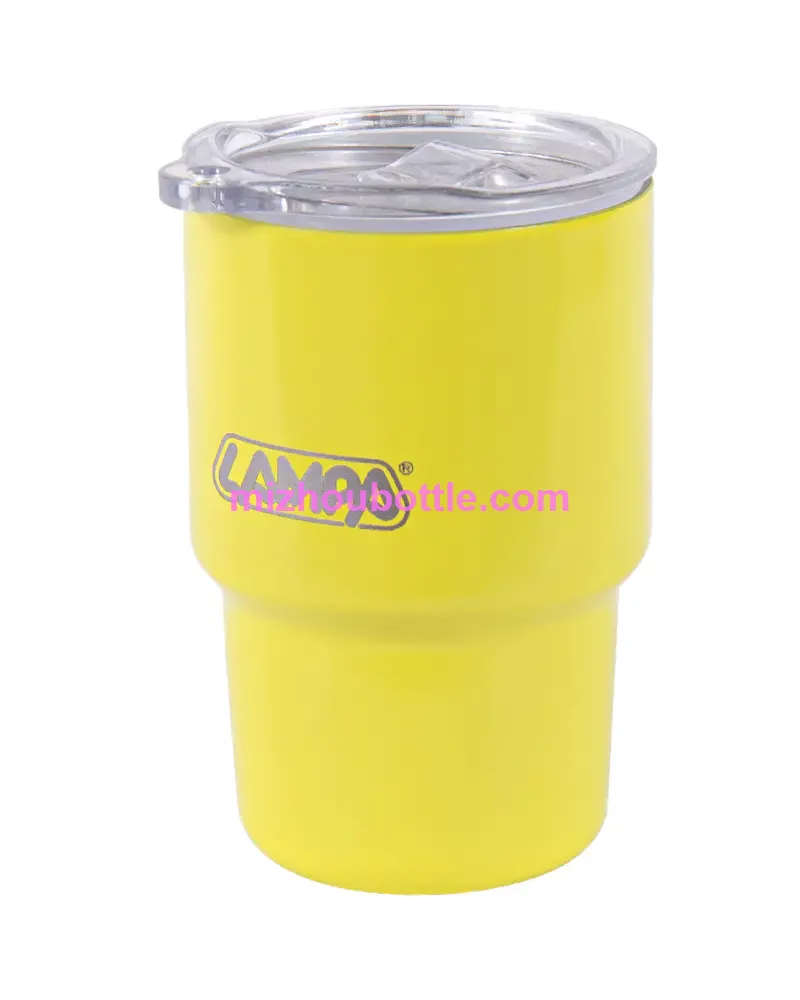
Leakage represents the most frequent complaint among users of portable drinkware, affecting convenience, bag protection, and overall satisfaction. The lid sealing mechanism of a Double Wall Stainless Steel Insulated Bottle must withstand thermal expansion, pressure changes, and repeated opening cycles without compromising its barrier function. Manufacturers have responded to this challenge with a range of engineering improvements, from gasket materials and thread designs to venting systems and lid-locking mechanisms. Mizhoubottle, a vacuum insulation factory in Zhejiang with ISO, SMETA, and BSCI certifications, has developed proprietary sealing solutions that address these performance requirements across its insulated coffee mug and thermos product lines. Does the evolution of lid sealing technology finally eliminate the risk of unwanted spills and drips that have plagued portable insulated containers?
Gasket material selection constitutes the foundation of effective lid sealing, as the compressible element must maintain contact between the lid and the bottle rim under various conditions. Food-grade silicone has emerged as the preferred material because of its elasticity, temperature resistance, and chemical inertness. Unlike rubber or plastic alternatives, silicone retains its compression set properties across a wide temperature range, ensuring a consistent seal whether the bottle holds hot coffee or iced water. Manufacturers now use liquid silicone injection moulding to produce gaskets with precise dimensional tolerances that optimise the compression force required for sealing without making the lid difficult to close. This material advancement directly reduces the frequency of gasket replacement and maintains seal integrity over thousands of usage cycles.
Thread geometry improvements have transformed the way lids engage with bottle mouths, creating more reliable sealing surfaces. Traditional coarse threads required multiple rotations for secure closure, often leading to partial or cross-threading that compromised the seal. Modern engineering employs multi-start threads that reduce the rotation angle required for full closure while maintaining sufficient engagement length to prevent stripping. The thread profiles incorporate ramped surfaces that guide the lid into correct alignment, eliminating the user error associated with misaligned closure. Some designs feature threads that compress the gasket progressively as the lid rotates, creating a wedge effect that increases sealing pressure exactly where it is needed. These geometric refinements contribute to seal reliability without requiring excessive torque from the user.
Venting systems address a fundamental challenge in insulated bottle design: internal pressure changes. Hot liquids generate steam that increases internal pressure, while cold beverages may create negative pressure as air contracts. Without proper venting, this pressure differential can cause fluid to escape through the seal or make the lid difficult to remove. Advanced lid designs incorporate one-way valves or pressure-release mechanisms that equalise internal and external pressure while preventing liquid escape. These vents may use silicone membranes that open under pressure differentials but remain closed during normal use, maintaining the thermal barrier while eliminating pressure-related leakage. The incorporation of venting features demonstrates manufacturer understanding of fluid dynamics in sealed containers.
Locking mechanisms represent a secondary seal level that prevents accidental opening during transport. Flip-top lids frequently incorporate latches that secure the drinking spout in the closed position, requiring deliberate action to release. Push-button closures incorporate detent mechanisms that require a specific force threshold before opening, preventing bag pressure from activating the release. Screw-on lids may include quarter-turn locking positions that provide visual and tactile confirmation of full closure. These mechanisms address the human factor in leakage prevention, compensating for incomplete tightening or absent-minded closure. The tactile feedback from these systems trains users toward secure closure habits, reducing leakage incidents.
Magnetic sliding lids have emerged as an alternative to traditional hinged or screw closures, offering simplified one-handed operation. These designs incorporate rare-earth magnets positioned to create a positive closure force that holds the drinking aperture sealed when not in use. The magnetic attraction maintains consistent sealing pressure across the lid surface, eliminating the wear points associated with mechanical hinges. The absence of mechanical pivots reduces the component count and potential failure modes, contributing to long-term reliability. Magnetic systems also provide immediate visual confirmation of closure status, as the lid automatically aligns to the sealed position without user adjustments.
Dual-seal configurations deploy multiple sealing points to provide redundancy in leak prevention. A primary seal at the bottle rim interfaces with the main gasket, while a secondary seal within the drinking spout prevents leakage through the flow path. These redundant seals ensure that even if one sealing surface becomes compromised, the other continues to prevent fluid escape. The dual approach accommodates variations in user closure force, as the secondary seal provides backup protection against incomplete tightening. This design philosophy acknowledges that leak-free performance depends on both product engineering and user behaviour.
Lid material and construction affect both seal performance and durability through their mechanical properties. Polypropylene and polycarbonate lids offer different resistance to temperature-induced deformation, with thermal expansion rates that must match or compensate for the stainless steel bottle neck. Mismatched expansion rates can break the seal during temperature transitions, as the lid and bottle materials move differently. Manufacturers conducting thermal cycling tests validate that their lid designs maintain consistent seal compression through temperature excursions from freezing to near-boiling. The testing process simulates real-world usage patterns, identifying any sealing degradation that would cause leakage.
Surface finish of the sealing interfaces influences the effectiveness of the gasket contact. Polished stainless steel rims with controlled surface roughness provide optimal mating surfaces for silicone gaskets, minimising microscopic pathways for liquid escape. Laser-welded rims eliminate seams where fluid might migrate, creating continuous sealing surfaces. The inspection of these surfaces during quality control ensures that no defects compromise the seal integrity. The attention to surface finishing reflects an understanding that the macro-scale design relies upon micro-scale details for effective performance.
For consumers evaluating lid sealing performance, https://www.mizhoubottle.com/ presents a product incorporating magnetic sliding lid technology with silicone sealing components. Does the combination of advanced gasket materials, optimised thread geometry, and redundant seal designs in a Double Wall Stainless Steel Insulated Bottle finally provide the leak-free experience that users have consistently sought?
- Technology for Students
- Admissions & Applications
- Online Courses
- Career and Jobs
- Campus Life
- Drinks
- Film
- Fitness
- Food
- Игры
- Gardening
- Health
- Главная
- Literature
- Music
- Networking For Students
- Insights
- Party
- Religion
- Shopping
- Sports
- Theater
- Wellness
- Education News
- Business & Finance For Students
- Security, Law & Crime Education
- Insurance
- Science & Technology For Students
 Russian
 English
 Arabic
 French
 Spanish
 Portuguese
 Deutsch
 Turkish
 Dutch
Dutch
 Italiano
 Romaian
 Portuguese (Brazil)
 Greek
Greek