


Does HBmedica by HangBiao PE Tape Reduce Skin Tension During Application
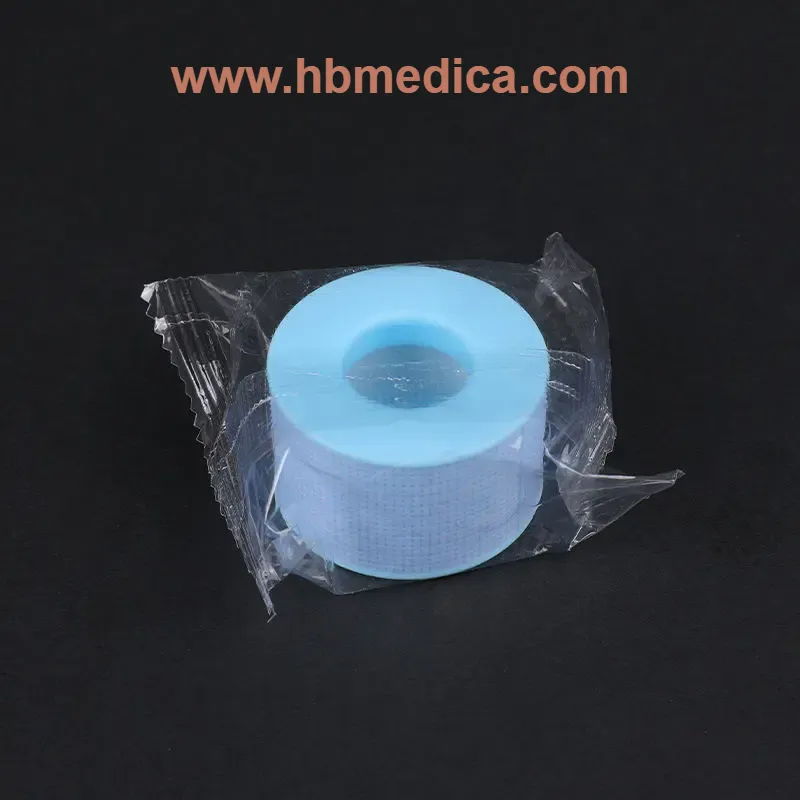
Healthcare professionals frequently select PE Tape for securing dressings and medical devices because of its transparent, waterproof, and breathable characteristics. The polyethylene film offers excellent conformability around joints and curved body surfaces, yet these very properties can create challenges when practitioners apply the tape improperly. Clinical observations reveal that tension-induced skin injury ranks among the common adverse events associated with medical adhesive usage, prompting wound care experts to develop specific application protocols. HBmedica, a manufacturer with ISO13485 and FDA certifications, produces PE tape designed with consistent adhesive properties and controlled peel strength, though even high-quality products require thoughtful handling during patient care. Does the technique of application ultimately determine whether PE tape serves as a helpful fixation tool or a source of patient distress?
Skin tension develops when adhesive tape stretches the underlying tissue beyond its natural resting state, creating mechanical forces that disrupt cellular junctions and compromise microcirculation. The epidermis contains elastin and collagen fibres that provide inherent elasticity, yet prolonged stretching exceeds the skin's recovery capacity, resulting in erythema, blistering, or frank skin tears. PE tape's polyethylene backing possesses a degree of stretchability that allows it to conform to body contours, but this flexibility does not eliminate the need for tension-free application. Practitioners must distinguish between the tape's conformability and the skin's tolerance, avoiding the temptation to pull the tape tightly across surfaces during fixation.
The application process begins with thorough skin preparation, as surface condition significantly influences adhesion requirements. Clean, dry skin free from lotions or wound exudate provides the optimal substrate for PE tape adherence, reducing the need for excessive pressure during application. Residual moisture or oil on the skin surface can compromise the adhesive bond, prompting practitioners to apply extra pressure or additional tape strips that increase skin stress. Proper skin cleansing with mild soap and thorough drying before tape placement represents a fundamental step that many clinicians overlook in busy practice settings. This preparation phase directly influences the subsequent tension dynamics during application.
Anchoring the tape without tension requires a deliberate technique that begins with placing the first few centimetres without any stretch whatsoever. Practitioners should position the initial segment of PE tape against the skin using minimal pressure, allowing the adhesive to establish contact without displacement forces. Subsequent portions of the tape should be laid down gently, smoothing the material from the centre outward to avoid trapping folds or wrinkles that create localised pressure points. The tape should follow the natural contours of the body rather than attempting to reshape or reposition tissues, acknowledging that PE tape serves a fixation function rather than a supportive or corrective role. This principle applies equally to securing intravenous lines, wound dressings, or monitoring devices.
The direction of tape placement affects tension distribution across the skin surface. Applying PE tape perpendicular to the direction of joint movement or skin creases increases the likelihood of shear forces that cause discomfort and potential injury. Parallel placement along the natural lines of skin tension, known as Langer's lines, reduces mechanical stress and allows the tape to move with the skin during normal activities. Healthcare professionals who understand regional skin tension patterns can select application orientations that minimise patient discomfort while maintaining adequate fixation security. This anatomical awareness transforms tape application from a routine task into a thoughtful clinical intervention.
Removal techniques carry equal importance to application methods in preventing skin damage. PE tape removal should proceed slowly, with the practitioner gently lifting the edge and pulling the tape back over itself at a low angle. Rapid or vertical removal creates acute shear forces that separate epidermal cells from the underlying dermis, potentially causing pain and tissue injury. Using adhesive remover wipes or applying gentle traction while supporting the adjacent skin reduces the mechanical load on vulnerable tissues. The transparent nature of PE tape allows practitioners to visualise the underlying skin condition throughout wear time, enabling early detection of adverse reactions that might require immediate removal.
The duration of PE tape wear influences the cumulative tension effect on skin integrity. Extended application periods beyond recommended timeframes increase the risk of moisture accumulation and mechanical fatigue in the adhesive layer. The waterproof characteristic of PE tape, while beneficial for protecting wounds from external contaminants, creates an occlusive environment that may compromise skin hydration balance over time. Practitioners should assess the necessity of continued tape fixation at each dressing change, removing and replacing tape rather than leaving it in place indefinitely. Clinical protocols often specify maximum wear periods for different patient populations, particularly those with fragile skin conditions.
Patient-specific factors require individualised application approaches that account for age, skin condition, and concurrent treatments. Neonatal skin, characterised by its thin stratum corneum and limited anchoring structures, demands the lowest possible adhesive contact area and the shortest wear duration. Elderly patients with age-related skin thinning and reduced collagen density similarly benefit from gentle application techniques that minimise tension forces. Patients receiving corticosteroid therapy or those with connective tissue disorders present altered skin biomechanics that require heightened caution during both tape application and removal. The one-size-fits-all approach to adhesive application fails to address these critical patient variables.
Alternative fixation methods may supplement or replace PE tape in certain clinical scenarios where tension risk remains high. Tubular bandages, cohesive wraps, or hypoallergenic silicone tapes offer options for patients with established adhesive sensitivities or those requiring extended fixation periods. PE tape remains a versatile and cost-effective choice for many applications, provided practitioners select appropriate strategies and monitor skin condition throughout wear time. The availability of different tape widths, lengths, and adhesive formulations allows clinicians to match products to specific patient needs and anatomical locations.
For healthcare facilities seeking professionally manufactured adhesive products with documented quality assurance, https://www.hbmedica.com/product provides PE tape options that undergo rigorous testing for adhesive performance and biocompatibility. Does the thoughtful application of PE tape, combined with appropriate patient assessment and careful monitoring, effectively prevent the tension-related complications that concern both practitioners and patients?
- Technology for Students
- Admissions & Applications
- Online Courses
- Career and Jobs
- Campus Life
- Drinks
- Film
- Fitness
- Food
- الألعاب
- Gardening
- Health
- الرئيسية
- Literature
- Music
- Networking For Students
- Insights
- Party
- Religion
- Shopping
- Sports
- Theater
- Wellness
- Education News
- Business & Finance For Students
- Security, Law & Crime Education
- Insurance
- Science & Technology For Students
 Arabic
 English
 French
 Spanish
 Portuguese
 Deutsch
 Turkish
 Dutch
Dutch
 Italiano
 Russian
 Romaian
 Portuguese (Brazil)
 Greek
Greek