Digital Printing on Fabric: A Complete Guide for Beginners
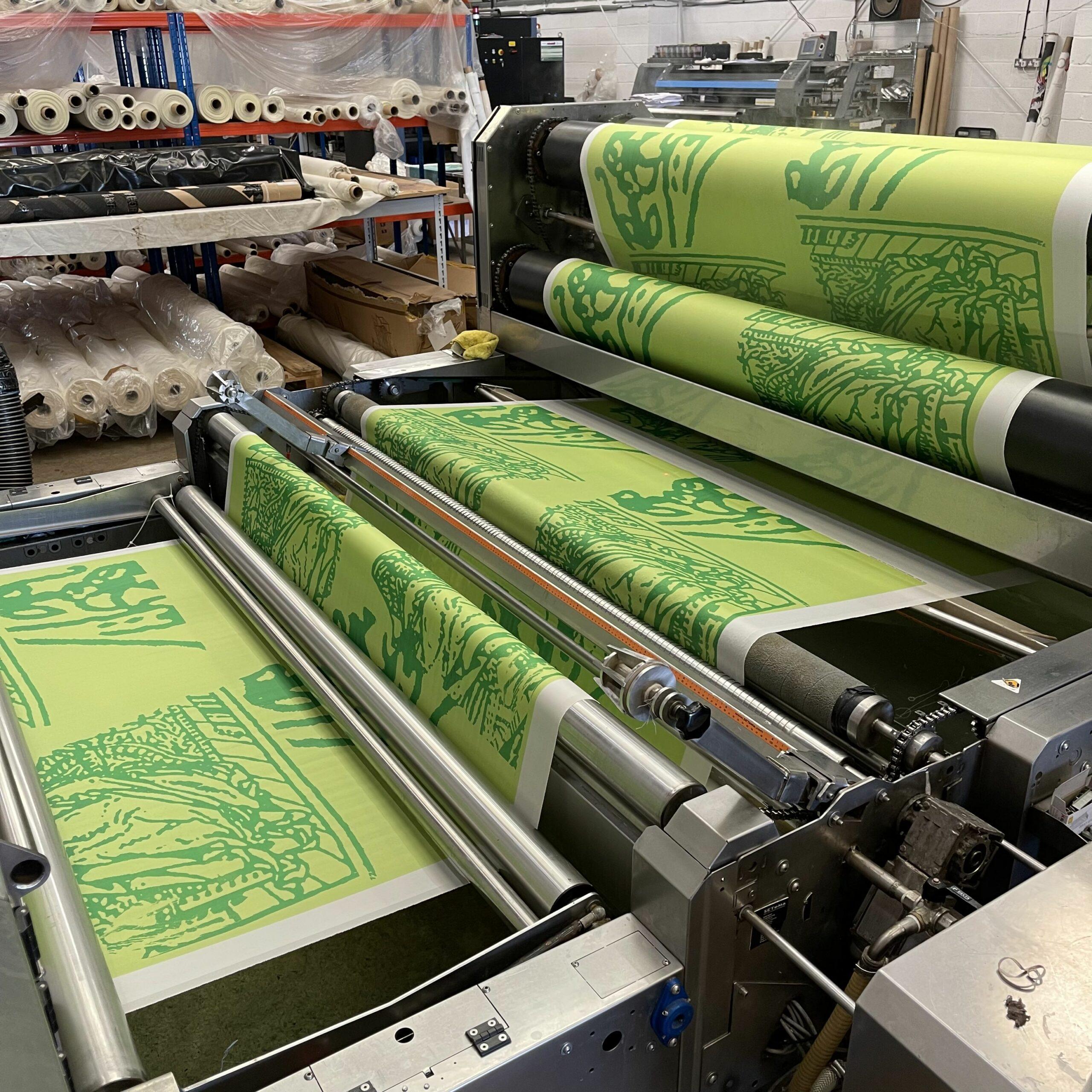
Digital printing on fabric has revolutionized textile production by offering a faster, more flexible, and highly accurate alternative to conventional printing methods. Instead of using screens or engraved rollers, digital textile printers apply designs directly onto fabric from a digital file. This approach allows manufacturers to produce detailed patterns, vibrant colors, and customized prints with remarkable efficiency.
Today, Digital printing on fabric is widely used by clothing brands, interior designers, promotional product manufacturers, and textile businesses around the world. The technology supports both short production runs and large commercial orders, making it suitable for businesses of every size. As consumer demand for personalized and high-quality textile products continues to grow, digital printing has become an essential part of modern fabric manufacturing.
What Is Digital Printing on Fabric?
Digital printing on fabric is a process that transfers artwork directly onto textile materials using specialized inkjet printing technology. The design is created digitally, processed through dedicated software, and printed without the need for physical printing screens.
Unlike traditional textile printing, where each color often requires separate preparation, digital printing reproduces multiple colors, gradients, and intricate details in a single production process. This simplifies manufacturing while maintaining exceptional image quality.
The technology supports printing on natural fibers, synthetic materials, and blended fabrics, depending on the printer and ink system being used.
How Digital Printing on Fabric Works
Creating the Digital Design
Every project begins with a digital artwork file. Designers typically use professional graphic software to prepare high-resolution images that ensure sharp printing results.
Preparing the Fabric
Many fabrics receive a special pre-treatment before printing. This improves ink absorption, enhances color brightness, and increases durability after washing.
Printing the Fabric
The prepared fabric passes through a digital textile printer. Tiny droplets of ink are precisely placed according to the digital artwork, producing detailed and vibrant prints.
Heat Fixation
After printing, the fabric undergoes heat curing, steaming, or another fixation process depending on the ink technology. This permanently bonds the ink to the textile fibers.
Washing and Finishing
Some fabrics require washing to remove excess chemicals before drying and final finishing. The completed fabric is then ready for garment production or other applications.
Types of Digital Fabric Printing
Direct-to-Fabric Printing
This method prints directly onto rolls of fabric. It is commonly used in commercial textile manufacturing for apparel, upholstery, and decorative fabrics.
Dye Sublimation Printing
Dye sublimation uses transfer paper and heat to embed dye into polyester fibers. The result is a smooth, durable print that resists cracking and fading.
Direct-to-Garment Printing
Direct-to-garment printing is designed for finished clothing such as T-shirts and sweatshirts. It is ideal for custom apparel and small production runs.
Fabrics Suitable for Digital Printing
Different fabrics require different ink systems, but many materials produce excellent results.
Cotton
Cotton is one of the most popular choices because it provides excellent print clarity and comfortable wear.
Polyester
Polyester works exceptionally well with dye sublimation printing and is commonly used for sportswear and promotional products.
Silk
Silk produces premium-quality printed textiles with vibrant colors and a luxurious finish.
Linen
Linen is often selected for home décor products, including curtains, tablecloths, and decorative fabrics.
Blended Fabrics
Fabric blends combine the advantages of multiple fibers and are frequently used for commercial textile production.
Benefits of Digital Printing on Fabric
Superior Print Quality
Digital printers reproduce fine details, smooth gradients, and vibrant colors with exceptional precision.
Design Flexibility
Complex artwork, photographs, and colorful illustrations can be printed without additional production setup.
Faster Turnaround
Since there are no screens or printing plates to prepare, production begins almost immediately after artwork approval.
Cost Effective for Small Orders
Digital printing reduces setup expenses, making it economical for limited production runs and customized orders.
Easy Personalization
Businesses can produce personalized names, logos, artwork, and unique patterns without changing production equipment.
Reduced Waste
The process uses ink efficiently and minimizes unnecessary material waste compared to many conventional printing methods.
Consistent Production
Modern printers provide reliable color consistency across multiple production batches when properly calibrated.
Applications of Digital Printing on Fabric
Digital textile printing serves a wide variety of industries.
Fashion Industry
Fashion brands use digital printing for dresses, shirts, scarves, jackets, children's clothing, and seasonal collections.
Home Furnishings
Digitally printed fabrics are widely used for cushions, curtains, upholstery, bedding, blankets, and table linens.
Sportswear
Sports uniforms often require personalized names, sponsor logos, and colorful graphics that digital printing produces efficiently.
Promotional Products
Companies print banners, exhibition displays, branded table covers, tote bags, and flags using digital textile technology.
Interior Decoration
Hotels, restaurants, retail stores, and offices use custom printed fabrics to enhance their interior spaces.
Practical Benefits and Key Insights
Digital printing on fabric offers practical advantages that extend beyond print quality.
One major benefit is the ability to produce products on demand. Businesses no longer need to maintain large inventories because fabrics can be printed only when orders are received.
The technology also encourages creativity. Designers can experiment with unlimited color combinations, detailed illustrations, and photographic artwork without worrying about screen preparation costs.
Sampling becomes much faster as well. Instead of waiting days for screen production, manufacturers can print sample fabrics almost immediately, helping clients approve designs more quickly.
Another important advantage is production flexibility. Businesses can switch from one design to another with minimal downtime, making digital printing ideal for rapidly changing market trends.
Common Challenges and Considerations
Although digital textile printing provides many advantages, careful planning remains important.
Equipment Costs
Professional digital textile printers require a significant financial investment. Businesses should evaluate production volume before purchasing equipment.
Fabric Compatibility
Every fabric responds differently to various ink types. Selecting the appropriate combination ensures better print quality and durability.
Color Accuracy
Proper color management systems help maintain consistent results across different production batches.
Fabric Preparation
Incorrect pre-treatment can reduce print sharpness, affect color vibrancy, and decrease wash resistance.
Large Production Runs
For extremely high-volume manufacturing with identical designs, traditional rotary screen printing may still offer lower production costs.
Frequently Asked Questions
1. What is digital printing on fabric?
Digital printing on fabric is a textile printing process that transfers digital artwork directly onto fabric using specialized inkjet printers.
2. Which fabrics are suitable for digital printing?
Cotton, polyester, silk, linen, rayon, canvas, bamboo fabric, and blended textiles are commonly used for digital printing.
3. Is digital printing durable?
Yes. When proper inks, fabric preparation, and finishing methods are used, digital prints remain vibrant and durable after repeated washing.
4. Is digital printing environmentally friendly?
Many modern digital textile printing systems use less water and generate less waste than several traditional textile printing methods, making them a more sustainable option.
5. What industries benefit from digital fabric printing?
Fashion, sportswear, interior design, hospitality, home furnishings, advertising, promotional products, and textile manufacturing all benefit from digital printing technology.
Conclusion
Digital printing on fabric has become one of the most significant innovations in modern textile manufacturing. By combining advanced printing technology with creative flexibility, it enables businesses to produce customized, high-quality fabrics quickly and efficiently. Its ability to print detailed artwork, vibrant colors, and personalized designs makes it an ideal solution for both small businesses and large-scale manufacturers.
As technology continues to evolve, digital textile printing is expected to play an even greater role in sustainable production and on-demand manufacturing. Businesses that embrace this printing method can respond more quickly to customer needs, reduce unnecessary waste, improve product quality, and remain competitive in an increasingly customization-driven marketplace. Whether producing fashion garments, promotional materials, or home décor products, digital printing on fabric offers a reliable, efficient, and future-ready solution.
 Romaian
 English
 Arabic
 French
 Spanish
 Portuguese
 Deutsch
 Turkish
 Dutch
Dutch
 Italiano
 Russian
 Portuguese (Brazil)
 Greek
Greek