


Property Inspection Explained for Buyers and Homeowners
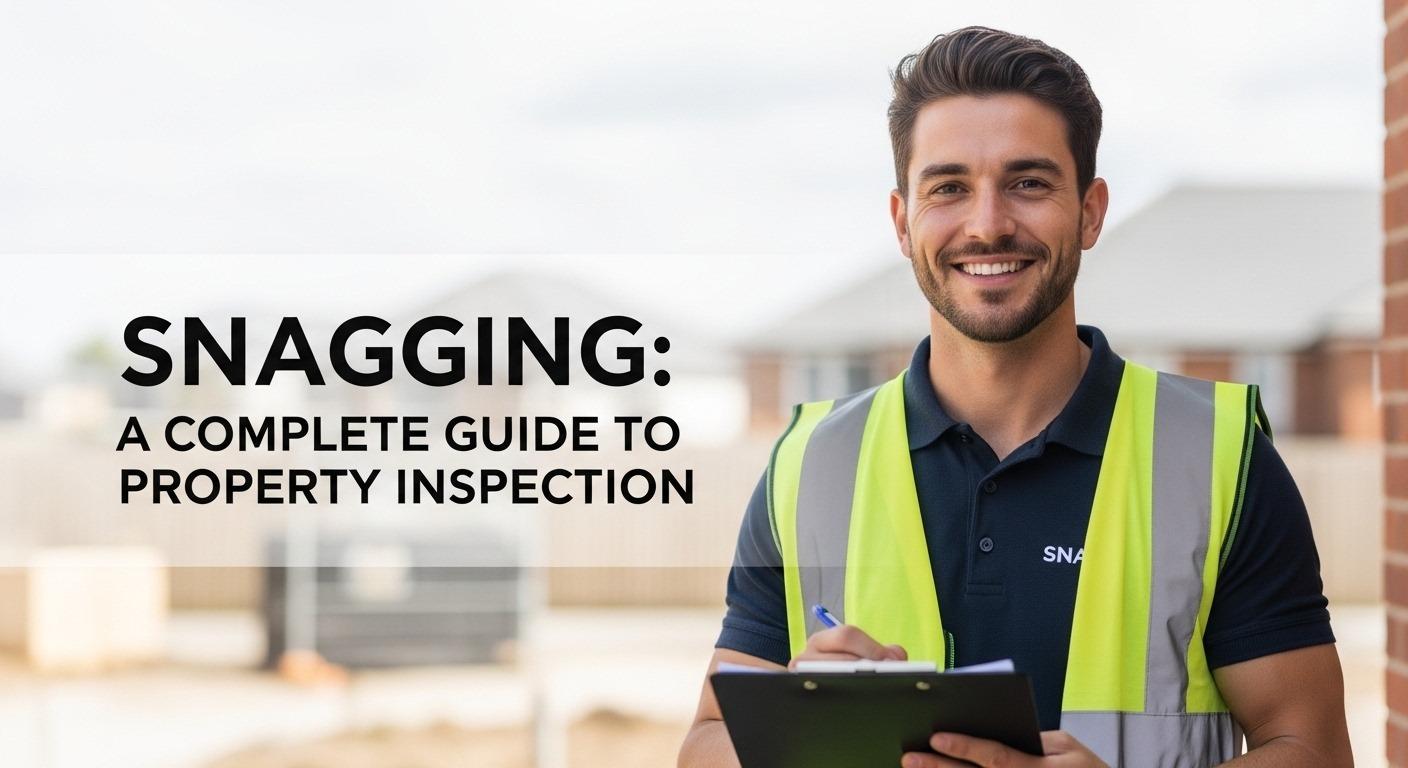
Property inspection plays a vital role in every real estate transaction. Whether you are buying your first home, selling an existing property, or investing in commercial real estate, understanding the true condition of a building is essential. A professional property inspection helps identify visible defects, maintenance concerns, and potential safety risks before they become costly problems.
Many properties appear attractive on the surface, but hidden issues may exist behind walls, beneath flooring, or within roofing and plumbing systems. These problems often remain unnoticed during a casual walkthrough. A detailed property inspection provides a clearer picture of the property's condition, allowing buyers and sellers to make informed decisions with confidence.
A quality inspection is not just about finding defects. It is about protecting your investment, reducing financial risk, and ensuring that everyone involved in the transaction understands the property's current condition.
What Is Property Inspection?
Property inspection is a professional assessment of a property's visible condition. During the inspection, an experienced inspector carefully examines the structural components, roofing, plumbing, electrical systems, heating and cooling equipment, walls, ceilings, floors, windows, doors, and other accessible areas.
The goal is to identify defects, maintenance needs, safety concerns, and signs of damage that could affect the property's value or future repair costs. The inspection concludes with a detailed report explaining the findings in clear and understandable language.
Property inspections are useful for residential homes, apartments, commercial buildings, offices, warehouses, and investment properties.
Why Property Inspection Is Important
Buying or selling property involves a significant financial commitment. A property inspection helps reduce uncertainty by providing accurate information about the building's condition.
For buyers, the inspection helps prevent unexpected repair expenses after purchasing the property. For sellers, it offers an opportunity to address issues before listing the property, creating greater confidence among potential buyers.
A thorough property inspection also supports fair negotiations because both parties have access to professional information about the property's condition.
Areas Covered During a Property Inspection
A comprehensive property inspection evaluates multiple parts of the building to ensure that major systems and structural elements are functioning properly.
Roof
The roof is inspected for visible signs of wear, damaged materials, leaks, drainage problems, and overall condition. Since roof repairs can be expensive, identifying issues early is highly beneficial.
Foundation and Structure
Inspectors examine the foundation, walls, support structures, and flooring for visible cracks, movement, uneven surfaces, or signs of structural damage. Structural stability is one of the most important aspects of any inspection.
Exterior
The exterior inspection includes walls, siding, windows, doors, gutters, driveways, walkways, patios, decks, fences, and drainage around the property. Proper drainage helps protect the foundation from water damage.
Plumbing System
Visible plumbing components are inspected for leaks, water pressure, damaged pipes, drainage concerns, and overall functionality. Moisture damage caused by plumbing problems can lead to expensive repairs if ignored.
Electrical System
The inspector checks electrical panels, switches, outlets, visible wiring, and circuit breakers to identify safety concerns or outdated components. A safe electrical system is essential for every property.
Heating and Cooling
Heating, ventilation, and cooling equipment is inspected for visible condition and proper operation. Efficient climate control contributes to comfort and long-term energy savings.
Interior
The inspection includes walls, ceilings, flooring, doors, windows, stairs, and visible finishes. Inspectors look for cracks, water stains, mold growth, damaged materials, and other signs of deterioration.
Insulation and Ventilation
Proper insulation and ventilation help improve energy efficiency while reducing moisture buildup. Inspectors evaluate accessible areas to identify potential concerns.
Benefits of Property Inspection for Buyers
Property inspection provides valuable protection for homebuyers. Instead of relying solely on appearance, buyers receive professional insight into the property's actual condition.
Some important benefits include gaining confidence before purchasing, understanding future maintenance needs, identifying hidden defects, improving negotiation opportunities, avoiding unexpected repair costs, and making informed investment decisions.
An inspection allows buyers to plan financially and understand whether the property meets their expectations before completing the purchase.
Benefits of Property Inspection for Sellers
Property sellers also benefit from arranging an inspection before listing their home.
A pre-sale inspection helps identify issues that may delay the sale later. Completing repairs before buyers discover problems often creates a smoother transaction and demonstrates honesty throughout the selling process.
Well-maintained properties also tend to attract more serious buyers because they inspire confidence.
Common Problems Found During Property Inspection
Property inspections frequently reveal issues that property owners may not have noticed.
Common findings include roof damage, plumbing leaks, moisture intrusion, mold growth, foundation cracks, damaged flooring, poor drainage, faulty electrical wiring, worn windows, deteriorating insulation, damaged gutters, ventilation problems, wood decay, and signs of pest activity.
While some issues require immediate repairs, others simply need routine maintenance or monitoring over time.
Preparing for a Property Inspection
Property owners can make the inspection process easier by ensuring all areas of the building are accessible.
Cleaning storage spaces, unlocking utility rooms, removing clutter around major systems, replacing damaged light bulbs, checking smoke alarms, and providing maintenance records can help inspectors perform a more complete evaluation.
Preparation also allows inspectors to spend more time evaluating the property rather than locating inaccessible areas.
Understanding the Inspection Report
After the inspection, clients receive a report describing the property's condition. The report typically explains observed defects, maintenance recommendations, safety concerns, and areas that may require future attention.
It is important to remember that almost every property has some maintenance needs. The report helps buyers and sellers understand which issues are more significant and which are considered routine.
Reading the report carefully allows property owners to prioritize repairs and budget for future maintenance.
Choosing the Right Property Inspection Service
Selecting a qualified inspector is an important part of protecting your investment.
Look for professionals who have experience, strong attention to detail, clear communication skills, and a reputation for providing thorough inspection reports.
A detailed inspection offers valuable information that supports better financial decisions while reducing unnecessary risks.
When Should You Schedule a Property Inspection?
A property inspection should ideally take place before completing the purchase or sale agreement. Buyers should schedule the inspection during the due diligence period, while sellers may choose a pre-listing inspection to resolve issues before marketing the property.
Property inspections are also useful after renovations, before major maintenance projects, or as part of routine property management.
Frequently Asked Questions
What is the purpose of a property inspection?
The purpose of a property inspection is to evaluate the visible condition of a property and identify defects, maintenance concerns, and potential safety issues before a transaction is completed.
Is a property inspection necessary for a new home?
Yes. Even newly built homes can have construction defects or installation issues that should be identified before ownership changes.
Can a property inspection save money?
Yes. Discovering problems before purchasing a property can prevent unexpected repair costs and support better price negotiations.
What happens if problems are found?
If issues are identified, buyers and sellers can negotiate repairs, adjust pricing, or agree on other solutions before completing the transaction.
Does a property inspection guarantee a perfect property?
No. A property inspection evaluates visible and accessible areas but cannot guarantee that hidden issues do not exist.
Conclusion
Property inspection is one of the most valuable steps in any real estate transaction. It provides a detailed understanding of a property's condition, helping buyers, sellers, and investors make informed decisions with greater confidence. From structural integrity and roofing to plumbing, electrical systems, and interior features, every part of the inspection contributes to a clearer picture of the property's overall health.
Whether you are purchasing your dream home, selling a family property, or expanding your investment portfolio, a professional property inspection offers peace of mind and helps reduce financial risk. By understanding the true condition of a property before finalizing a transaction, you can avoid costly surprises, negotiate more effectively, and protect your investment for the future.
- Technology for Students
- Admissions & Applications
- Online Courses
- Career and Jobs
- Campus Life
- Drinks
- Film
- Fitness
- Food
- Spiele
- Gardening
- Health
- Startseite
- Literature
- Music
- Networking For Students
- Insights
- Party
- Religion
- Shopping
- Sports
- Theater
- Wellness
- Education News
- Business & Finance For Students
- Security, Law & Crime Education
- Insurance
- Science & Technology For Students
 Deutsch
 English
 Arabic
 French
 Spanish
 Portuguese
 Turkish
 Dutch
Dutch
 Italiano
 Russian
 Romaian
 Portuguese (Brazil)
 Greek
Greek