


Dog Behaviour in Summer UK | What’s Normal & What’s Not
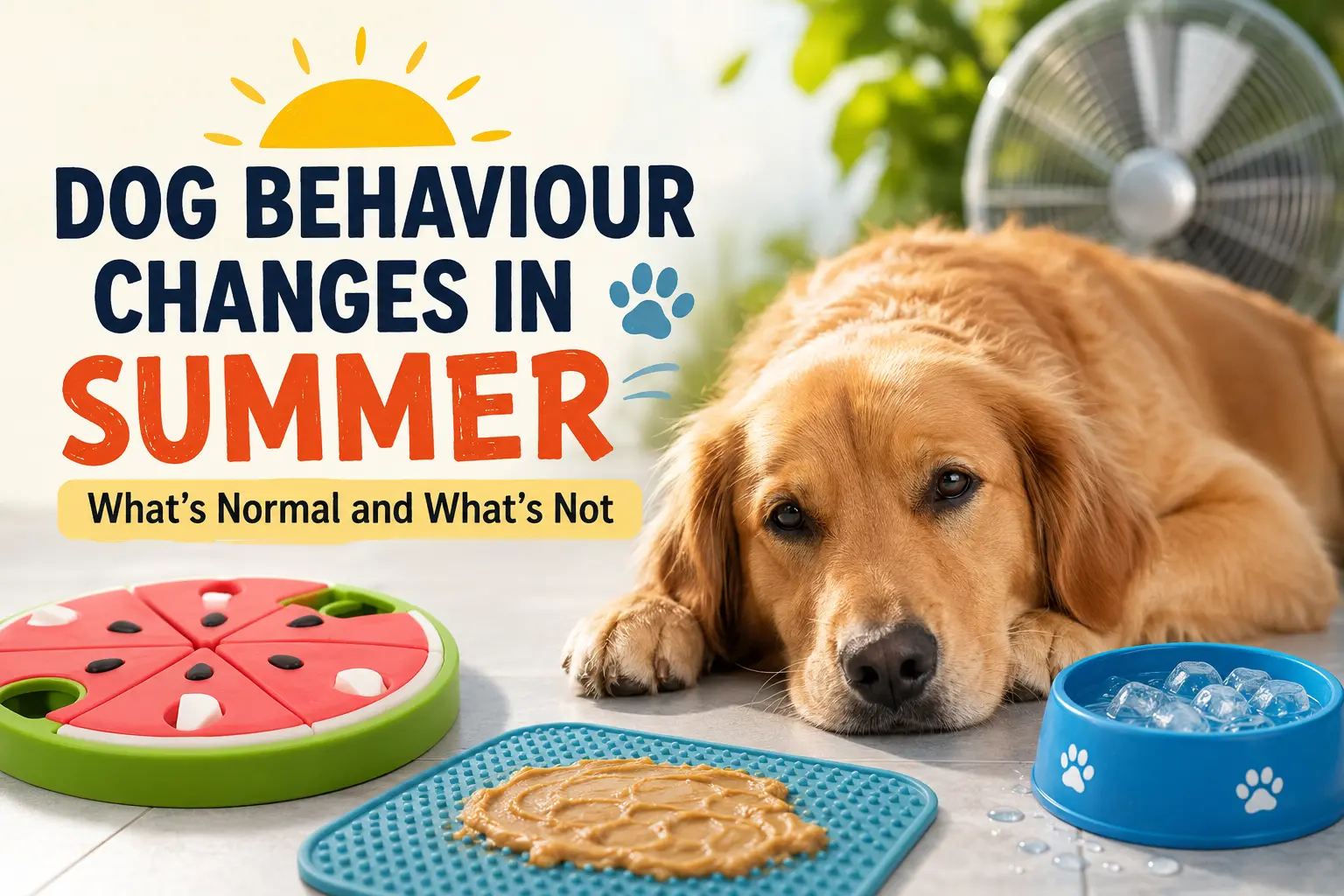
If you've noticed your dog acting a little differently as the temperature rises, you're not imagining it. Dog behaviour in summer UK can shift quite noticeably — and for most dogs, some of these changes are perfectly natural. But others can be early warning signs that something isn't right.
In this guide, we break down the most common seasonal behaviour changes in dogs, explain what's driving them, and help you figure out when to act — and what to do about it.
Why Do Dogs Behave Differently in Summer?
Dogs are sensitive to environmental changes — daylight hours, temperature, scent patterns, and human routines all shift in the summer months. Your dog picks up on all of it. Seasonal dog behaviour UK shifts are driven by a mix of biological instinct, physical discomfort from the heat, and changes in the household schedule.
Understanding whether a change is a normal response or a potential health concern is the first step to keeping your dog happy and safe this summer.
Common Summer Behaviour Changes in Dogs
1. Lethargy and Low Energy — Usually Normal
One of the most frequently asked questions from dog owners in the UK is: "Why is my dog lazy in summer?" The answer is simple — heat makes dogs tired. Dogs regulate body temperature primarily through panting, which is inefficient compared to sweating. When it's hot, your dog's body is working harder just to stay cool, leaving less energy for play and exercise.
What's normal:
• Sleeping more than usual during peak afternoon heat
• Choosing cool tiles or shaded spots over their usual bed
• Less enthusiasm for walks during midday hours
When to worry:
If your dog's dog lethargy in summer is extreme — they refuse to get up even for food, seem confused or disoriented, or their gums look pale — contact your vet immediately. These can be signs of heatstroke.
2. Increased Restlessness or Anxiety — Watch This
While some dogs slow down, others become more restless. This is particularly common during thunderstorms, fireworks, or the general disruption of summer schedules. Boredom in dogs on hot days is also a real contributor — if walks get cut short due to heat, your dog may have pent-up energy and no outlet for it.
One of the best remedies here is providing dog mental stimulation through indoor activities. Interactive puzzle toys for dogs and slow feeders are excellent for keeping a dog's mind occupied without requiring physical exertion in the heat. The interactive dog puzzle toys UK range from PetBuds is designed specifically for dogs that need mental engagement — ideal for hot summer days when long walks aren't an option.
Dog puzzle toys UK options like treat-dispensing toys, snuffle mats, and lick mats can be rotated throughout the day to keep boredom at bay without overheating your dog.
3. Increased Irritability or Mild Aggression — Take Note
Just like humans can become snappy in the heat, dogs can too. Dog aggression in hot weather isn't uncommon — particularly between dogs who share a space. A dog that's uncomfortable and overheated has lower tolerance for things that wouldn't normally bother them, including the presence of other pets or overstimulation from children.
Signs to look for:
• Growling at family members or other pets more than usual
• Snapping when touched or approached while resting
• Guarding cool spots (under tables, near fans, on tiles)
Solution: Give your dog more personal space in summer, ensure they always have access to a cool area, and avoid forcing interaction when they're clearly seeking solitude.
4. Changes in Appetite — Common and Manageable
Many dogs eat less in summer. Their caloric needs are slightly reduced when they're less active, and heat suppresses appetite. This is normal as long as your dog maintains a healthy weight and continues drinking water. If your dog stops eating entirely for more than 24 hours, consult your vet.
5. Increased Digging or Escaping — Normal Instinct
In the summer, dogs may dig more — this is an instinctive cooling behaviour. Wild canines dig shallow pits to lie in cool earth. Similarly, dogs may attempt to escape gardens more during warmer months if they're seeking shade or stimulation. Check fencing and provide shaded areas and enrichment activities for indoor dogs to reduce the urge.
Keeping Your Dog Calm and Stimulated in Summer
The key to managing seasonal behaviour changes is reducing physical stress while increasing mental stimulation. Here are the most effective strategies:
• Shift walks to early morning or late evening when temperatures are cooler
• Use dog puzzle toys UK to provide mental stimulation indoors during peak heat hours
• Introduce a licking mat slow feeder for dogs — licking is a naturally calming, anxiety-reducing activity. Spread peanut butter, yoghurt, or wet food and freeze for a longer-lasting summer treat. PetBuds' licking mat doubles as a slow feeder and a dog anxiety toy, making it one of the most versatile tools in your summer kit
• Keep fresh water available at all times — consider multiple water stations around the home and garden
• Provide a cooling mat or access to tiled flooring, and make sure your dog's sleeping area is well-ventilated
When Should You Call the Vet?
Most summer behaviour changes in dogs are a normal response to heat and schedule disruption. However, contact your vet if you notice:
• Extreme lethargy combined with vomiting or diarrhoea
• Rapid breathing or excessive panting that doesn't stop
• Sudden, severe aggression with no clear trigger
• Confusion, staggering, or collapse
• Refusal to eat or drink for more than 24 hours
These signs go beyond seasonal dog behaviour UK adjustments and may indicate heatstroke, illness, or a pain response that needs professional attention.
Final Thoughts
Dog behaviour changes in summer are largely your dog's way of communicating that they're trying to adapt to the heat. The best thing you can do is listen to those signals, adjust your routine accordingly, and keep them mentally stimulated even on the hottest days.
With the right dog boredom toys, enrichment activities for indoor dogs, and a little extra patience, most dogs sail through the summer months in great shape. Know what's normal for your dog — and you'll be well-equipped to spot anything that isn't.
- Technology for Students
- Admissions & Applications
- Online Courses
- Career and Jobs
- Campus Life
- Drinks
- Film
- Fitness
- Food
- Jogos
- Gardening
- Health
- Início
- Literature
- Music
- Networking For Students
- Insights
- Party
- Religion
- Shopping
- Sports
- Theater
- Wellness
- Education News
- Business & Finance For Students
- Security, Law & Crime Education
- Insurance
- Science & Technology For Students
 Portuguese (Brazil)
 English
 Arabic
 French
 Spanish
 Portuguese
 Deutsch
 Turkish
 Dutch
Dutch
 Italiano
 Russian
 Romaian
 Greek
Greek