


How Factory Inspections Help Businesses Avoid Delays, Defects, and Supplier Problems
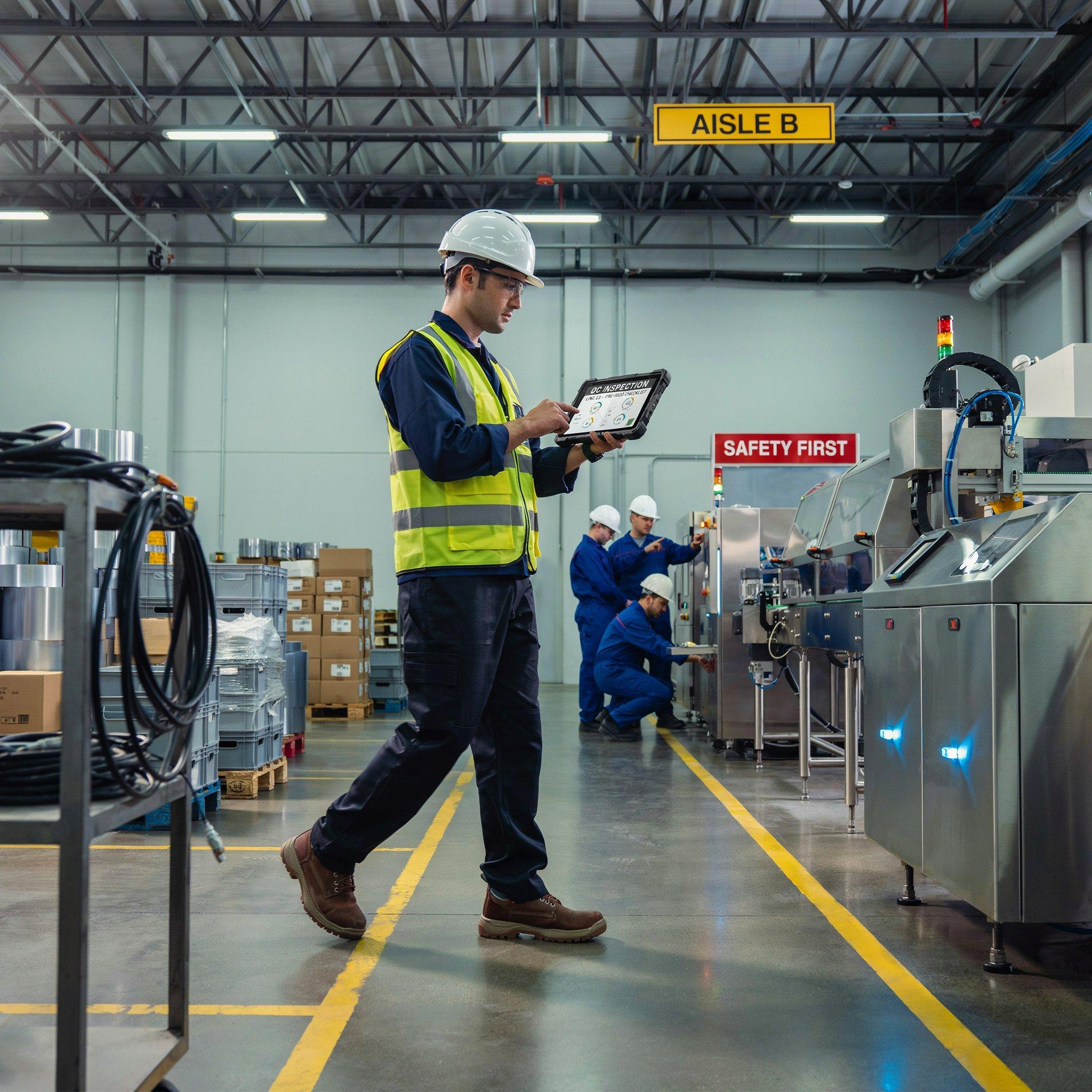
Introduction: The Hidden Risks Behind Global Manufacturing
Global manufacturing has created valuable opportunities for businesses to expand production, reduce costs, and work with specialized suppliers worldwide. However, international sourcing also comes with challenges that can affect product quality, delivery schedules, and customer satisfaction.
Many businesses rely on supplier promises, product samples, and production timelines without fully understanding what happens inside the factory. Unfortunately, problems often appear after manufacturing has already started, when fixing them becomes expensive and complicated.
A delayed shipment, defective product batch, or unreliable supplier can disrupt the entire supply chain. This is why Factory Inspections have become an important part of successful sourcing strategies.
By evaluating manufacturing facilities, production processes, and quality systems, businesses can identify potential problems early and make better decisions before products are shipped.
Why Manufacturing Problems Happen in Global Supply Chains
Supply chains involve many moving parts. Even a small issue at the production stage can create major consequences later.
Common causes of manufacturing problems include:
-
Poor communication between buyers and suppliers
-
Incorrect product specifications
-
Weak quality control procedures
-
Production capacity limitations
-
Material quality issues
-
Lack of employee training
-
Poor production planning
Without proper monitoring, these problems may remain hidden until the final products are completed.
For example, a supplier may produce a high-quality sample but struggle to maintain the same standards during large-scale production. This difference between expectations and reality can lead to costly mistakes.
What Are Factory Inspections?
A factory inspection is a structured evaluation of a manufacturer’s facility, processes, and production capabilities.
The purpose is to confirm that a supplier can meet the buyer’s requirements before, during, or after production.
These evaluations may review:
-
Manufacturing equipment
-
Production workflow
-
Quality control systems
-
Raw material storage
-
Worker practices
-
Product testing methods
-
Safety procedures
-
Packaging operations
The goal is to provide buyers with accurate information about supplier performance.
Instead of depending only on promises, businesses gain real visibility into how products are being made.
Preventing Costly Production Delays
One of the biggest challenges businesses face is unexpected production delays.
A delay can happen for many reasons:
-
Equipment failures
-
Lack of materials
-
Poor production scheduling
-
Insufficient workforce
-
Manufacturing mistakes
When delays happen, the impact goes beyond the factory.
Businesses may experience:
-
Missed sales opportunities
-
Inventory shortages
-
Customer complaints
-
Increased shipping expenses
-
Disrupted marketing plans
Early factory evaluations help identify warning signs before production becomes difficult to manage.
By understanding a supplier’s capabilities and production systems, buyers can create more realistic timelines and reduce uncertainty.
A reliable supply chain starts with knowing whether a factory can actually deliver what it promises.
Identifying Quality Problems Before Shipment
Product defects are one of the most expensive issues in manufacturing.
A defective shipment can result in:
-
Returns
-
Repairs
-
Replacement costs
-
Negative customer feedback
-
Brand reputation damage
Many defects begin with small issues during production.
Examples include:
-
Incorrect measurements
-
Poor material selection
-
Assembly mistakes
-
Weak product testing
-
Inconsistent manufacturing methods
Quality evaluations help businesses detect these issues earlier.
Instead of discovering problems after products reach customers, buyers can work with suppliers to correct them during production.
Improving Supplier Reliability and Trust
Choosing a supplier is a long-term business decision.
A supplier may have attractive pricing, but reliability depends on more than cost. Businesses need partners who can maintain quality, communicate effectively, and deliver consistently.
Supplier evaluations help businesses understand:
-
Whether the factory follows proper procedures
-
How experienced the production team is
-
Whether quality systems are effective
-
How the supplier handles problems
This information allows companies to build stronger partnerships.
Reliable suppliers are more likely to support business growth because they provide consistency and predictable results.
Different Stages of Factory Evaluation
Pre-Production Checks
Before manufacturing begins, businesses can review whether the supplier is prepared.
This stage may include:
-
Reviewing materials
-
Checking production plans
-
Confirming specifications
-
Evaluating factory readiness
Pre-production verification helps prevent problems before they enter the manufacturing process.
During Production Monitoring
Production-stage reviews help identify problems while products are still being made.
This allows businesses to check:
-
Production progress
-
Product quality
-
Manufacturing consistency
-
Process efficiency
Fixing issues during production is usually faster and more affordable.
Final Quality Review
Before shipment, a final assessment confirms that finished products meet expectations.
This may involve:
-
Product appearance checks
-
Quantity verification
-
Functional testing
-
Packaging review
-
Compliance checks
Final verification gives buyers confidence before goods leave the facility.
Reducing Supplier-Related Risks
Supplier problems can create serious challenges for businesses.
These issues may include:
-
Missed deadlines
-
Poor communication
-
Unexpected cost increases
-
Inconsistent product quality
-
Failure to follow specifications
A proper evaluation process helps businesses identify these risks early.
It provides information that helps answer important questions:
-
Can the supplier handle the order volume?
-
Does the factory maintain quality standards?
-
Are production processes organized?
-
Does the supplier have backup plans?
Better supplier visibility leads to better decisions.
How Inspections Improve Supply Chain Efficiency
Quality management is not only about preventing defects. It also improves overall business efficiency.
When production problems are reduced, companies can:
-
Plan inventory more accurately
-
Reduce waste
-
Improve customer satisfaction
-
Avoid unnecessary expenses
A smoother production process allows businesses to focus on growth instead of constantly solving manufacturing issues.
The Role of Technology in Modern Factory Reviews
Technology has changed how businesses manage suppliers.
Modern quality systems use digital tools to:
-
Record inspection results
-
Track supplier performance
-
Analyze recurring issues
-
Improve communication
Digital reporting allows buyers to make faster decisions using accurate information.
Technology also helps businesses monitor suppliers located thousands of miles away.
Common Mistakes Businesses Should Avoid
Many sourcing problems happen because companies skip important quality steps.
Choosing Suppliers Based Only on Price
The lowest price does not always provide the best value.
A cheaper supplier may create higher costs through delays, defects, and rework.
Waiting Until Production Is Complete
Discovering problems after production ends limits available solutions.
Early evaluation creates more opportunities for correction.
Ignoring Small Issues
Small quality concerns can become larger problems over time.
Addressing them early helps maintain better production standards.
Building a Stronger Manufacturing Strategy
Successful businesses treat quality management as an ongoing process.
A strong strategy includes:
-
Clear product requirements
-
Supplier evaluation
-
Regular monitoring
-
Open communication
-
Continuous improvement
This approach creates stronger relationships between buyers and manufacturers.
It also helps businesses create products that consistently meet customer expectations.
Conclusion: Protect Your Supply Chain Before Problems Begin
Manufacturing success depends on preparation, visibility, and strong supplier relationships.
Factory Inspections help businesses reduce risks by identifying production delays, quality issues, and supplier weaknesses before they become expensive problems.
They provide valuable insights into factory operations and help companies make smarter sourcing decisions.
In today’s competitive global market, preventing problems is far more effective than fixing them later.
Businesses that invest in quality verification can build stronger supply chains, improve customer trust, and achieve long-term success.
- Technology for Students
- Admissions & Applications
- Online Courses
- Career and Jobs
- Campus Life
- Drinks
- Film
- Fitness
- Food
- Oyunlar
- Gardening
- Health
- Home
- Literature
- Music
- Networking For Students
- Insights
- Party
- Religion
- Shopping
- Sports
- Theater
- Wellness
- Education News
- Business & Finance For Students
- Security, Law & Crime Education
- Insurance
- Science & Technology For Students
 Turkish
 English
 Arabic
 French
 Spanish
 Portuguese
 Deutsch
 Dutch
Dutch
 Italiano
 Russian
 Romaian
 Portuguese (Brazil)
 Greek
Greek