


How Does HACCP Differ from Quality Control?
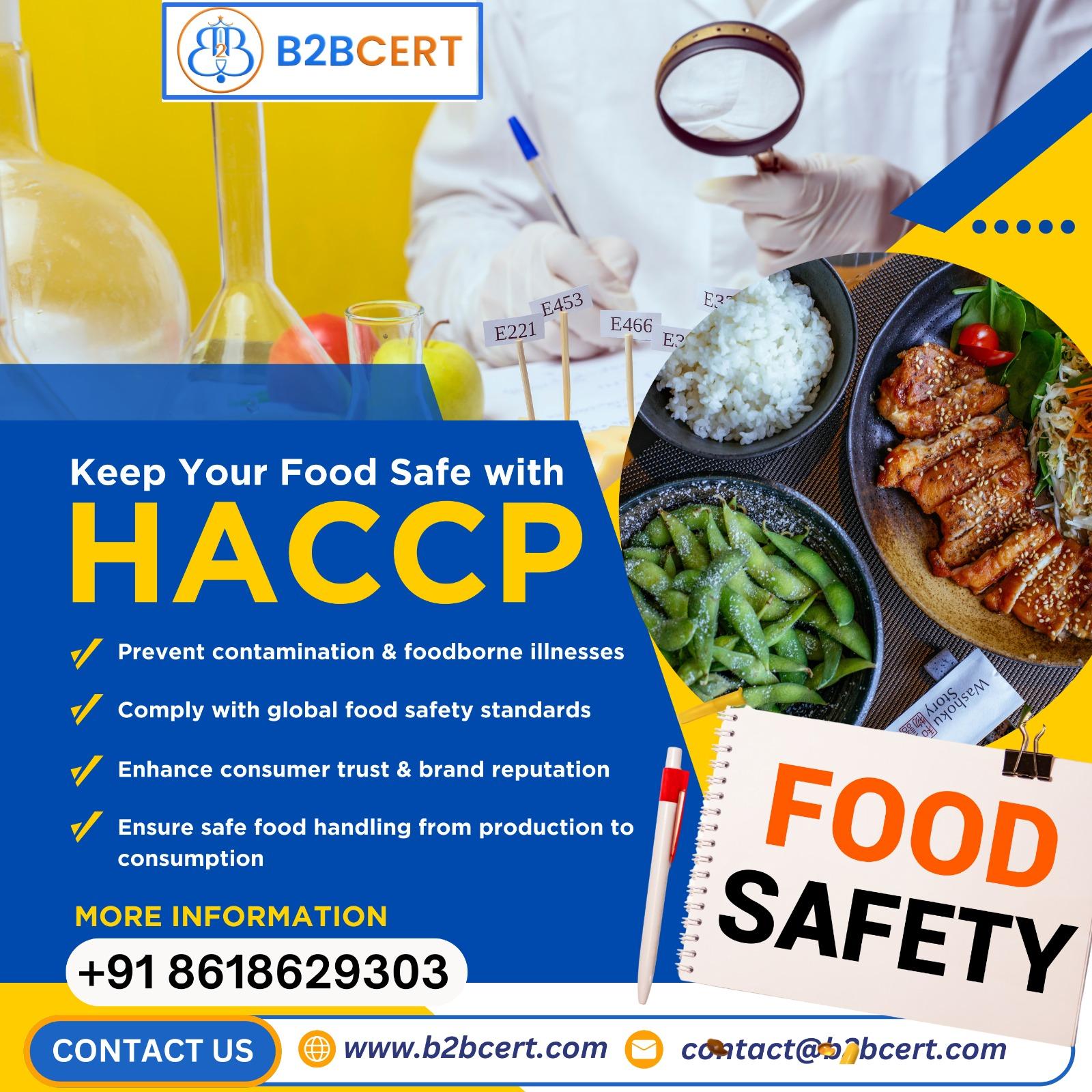
In the food industry, ensuring product safety and maintaining high-quality standards are essential for business success. Two commonly discussed concepts in food safety management are Hazard Analysis and Critical Control Points (HACCP) and Quality Control (QC). While these terms are often used interchangeably, they serve distinct purposes and play different roles in protecting consumers and enhancing product quality.
Organizations seeking HACCP Certification in Philippines often need to understand these differences to build an effective food safety management system. This article explores how HACCP differs from quality control and why both are important for food businesses.
What is HACCP?
HACCP (Hazard Analysis and Critical Control Points) is a preventive food safety system designed to identify, evaluate, and control biological, chemical, and physical hazards throughout the food production process. Rather than detecting problems after they occur, HACCP focuses on preventing hazards before they can impact food safety.
The HACCP framework is based on seven core principles:
- Conduct hazard analysis.
- Determine critical control points (CCPs).
- Establish critical limits.
- Monitor CCPs.
- Establish corrective actions.
- Verify system effectiveness.
- Maintain documentation and records.
Many food manufacturers, processors, and distributors pursue HACCP Certification in Philippines to demonstrate their commitment to food safety and comply with international market requirements.
What is Quality Control?
Quality Control (QC) refers to the process of inspecting, testing, and evaluating products to ensure they meet predefined quality standards. QC focuses on product characteristics such as appearance, taste, texture, packaging, consistency, and compliance with customer specifications.
Unlike HACCP, which aims to prevent food safety hazards, quality control identifies defects or quality issues after or during production. QC activities typically include:
- Product inspections
- Laboratory testing
- Sampling procedures
- Packaging verification
- Compliance checks
The primary goal of quality control is customer satisfaction and product consistency.
Key Differences Between HACCP and Quality Control
1. Purpose
HACCP: Focuses on food safety by preventing hazards that could harm consumers.
Quality Control: Focuses on product quality by ensuring products meet established specifications and customer expectations.
2. Approach
HACCP: Proactive and preventive. It identifies potential hazards before they occur.
Quality Control: Reactive and corrective. It detects defects or issues after they have occurred or during production.
3. Scope
HACCP: Covers the entire food production process, from raw materials to final distribution.
Quality Control: Primarily evaluates finished products and production outputs.
4. Regulatory Importance
HACCP: Often required by regulatory authorities and international food safety standards.
Quality Control: While important, it is generally driven by customer requirements and internal quality objectives.
5. Focus Area
HACCP: Consumer safety and risk prevention.
Quality Control: Product quality, consistency, and customer satisfaction.
Why Both HACCP and Quality Control Are Necessary
Although HACCP and quality control have different objectives, they complement each other in a comprehensive food management system.
For example, HACCP may ensure that a product is free from harmful contamination, while quality control verifies that the product has the correct taste, appearance, weight, and packaging. Together, these systems help organizations deliver safe, high-quality products to consumers.
Businesses that implement HACCP often experience fewer product recalls, improved regulatory compliance, and enhanced customer confidence. At the same time, strong quality control processes help maintain brand reputation and reduce production waste.
Benefits of HACCP Certification
Obtaining HACCP Certification in Philippines provides several advantages, including:
- Improved food safety management
- Compliance with regulatory requirements
- Increased customer trust
- Enhanced market access
- Reduced risk of food safety incidents
- Better operational efficiency
Many organizations work with experienced HACCP Consultants in Philippines to develop, implement, and maintain HACCP systems tailored to their specific operations.
How HACCP Consultants Can Help
Implementing HACCP requirements can be challenging, especially for organizations unfamiliar with food safety regulations. Professional HACCP Consultants in Philippines provide expert guidance in:
- Hazard identification and risk assessment
- HACCP plan development
- Employee training
- Documentation preparation
- Internal audits
- Certification support
These services help businesses achieve compliance efficiently while minimizing disruptions to daily operations.
HACCP Services for Food Businesses
Reliable HACCP Services in Philippines support organizations throughout their food safety journey. These services typically include:
- HACCP gap analysis
- System implementation
- Food safety training
- Documentation development
- Internal audit programs
- Certification readiness assessments
By utilizing professional HACCP Services in Philippines, businesses can strengthen their food safety systems and meet both local and international food safety standards.
Conclusion
While HACCP and quality control are closely related, they serve different purposes within food manufacturing and processing operations. HACCP focuses on preventing food safety hazards before they occur, whereas quality control concentrates on identifying and correcting product quality issues.
For food businesses aiming to improve safety, compliance, and customer satisfaction, implementing both systems is essential. Pursuing HACCP Certification in Philippines, supported by experienced HACCP Consultants in Philippines and comprehensive HACCP Services in Philippines, can help organizations establish a robust food safety culture and achieve long-term success in the competitive food industry.
- Technology for Students
- Admissions & Applications
- Online Courses
- Career and Jobs
- Campus Life
- Drinks
- Film
- Fitness
- Food
- Jogos
- Gardening
- Health
- Início
- Literature
- Music
- Networking For Students
- Insights
- Party
- Religion
- Shopping
- Sports
- Theater
- Wellness
- Education News
- Business & Finance For Students
- Security, Law & Crime Education
- Insurance
- Science & Technology For Students
 Portuguese
 English
 Arabic
 French
 Spanish
 Deutsch
 Turkish
 Dutch
Dutch
 Italiano
 Russian
 Romaian
 Portuguese (Brazil)
 Greek
Greek