


How to Choose the Right Materials for Your Custom Rigid Boxes
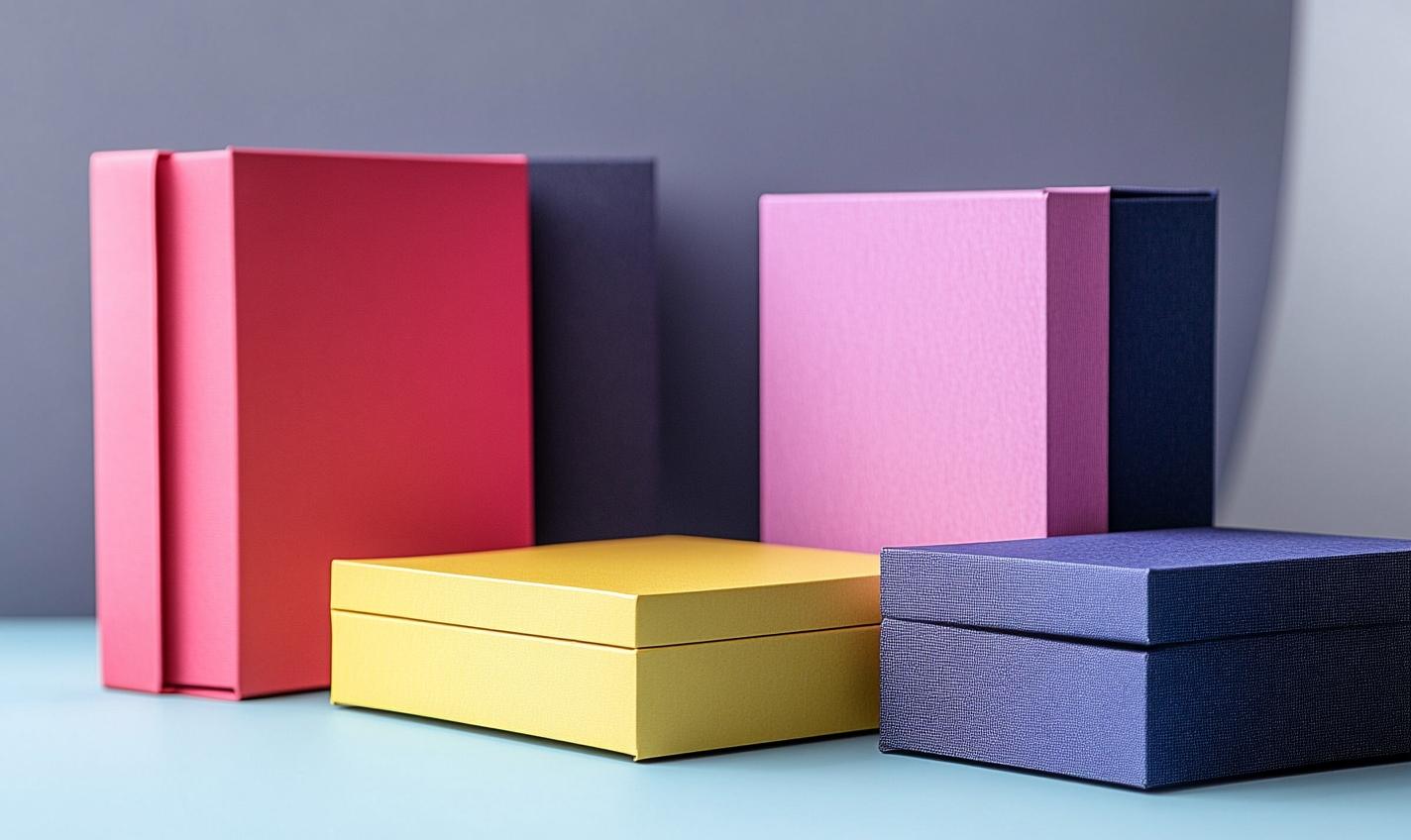
Choosing the right materials for custom rigid boxes is crucial for durability, brand presentation, and cost-efficiency. Learn how to make the best decision for your packaging needs with The Boxology. US.
When it comes to packaging, custom rigid boxes stand out for their premium feel, durability, and versatility. Businesses across the USA, including those working with luxury goods, electronics, cosmetics, and retail products, are turning to custom rigid boxes to showcase their products in an attractive and secure way. But how do you choose the right material for your custom rigid boxes? The Boxology. US is here to guide you through the process.
In this article, we will explore key considerations for selecting the perfect material for your rigid boxes, ensuring they offer maximum protection while aligning with your brand’s image and budget.
Understanding Rigid Boxes
Before diving into materials, let's quickly review what rigid boxes are. Unlike regular cardboard boxes, rigid boxes (also known as set-up boxes) are made from thick, rigid board and are designed to hold their shape without collapsing. They are often used for high-end packaging because they offer superior protection for delicate products, provide an elegant unboxing experience, and can be customized with luxurious finishes.
Factors to Consider When Choosing Materials for Rigid Boxes
When selecting the right material for your custom rigid boxes, you need to think about various factors such as product protection, aesthetics, sustainability, cost, and brand positioning. Let’s break down these considerations:
1. Product Protection
The primary function of any packaging is to protect the product. Rigid boxes provide an excellent level of protection due to their sturdy and solid construction. The material you choose must offer the following protective features:
- Strength and Durability: Ensure that the material can withstand pressure, impact, and rough handling during transport. For fragile products, thicker materials or multi-layered constructions may be necessary.
- Cushioning: If your product requires additional protection against shock, such as electronics or glass items, you might want to consider adding a cushioned insert (e.g., foam, velvet, or cardboard) inside the box.
2. Aesthetic Appeal
The appearance of your rigid box reflects your brand's image and the quality of the product inside. When selecting materials, think about how the box will look on a shelf or during the unboxing experience. Some materials lend themselves better to elegant, luxurious finishes, while others are more functional.
- Paperboard or Chipboard: A common material choice for rigid boxes. It is durable and can be easily customized with various printing options like embossing, foil stamping, and more.
- Specialty Coatings and Finishes: Materials can be enhanced with special coatings (matte, glossy, or soft-touch) and finishes like spot UV or metallic foils to create a high-end, tactile feel.
3. Brand Identity
The material you select should align with your brand’s identity. For example, if you're a luxury brand, choosing a high-quality, premium material will resonate with your customers. On the other hand, if you’re focusing on eco-friendly products, you might consider sustainable materials.
- Eco-friendly Materials: As sustainability becomes increasingly important, many businesses are opting for eco-friendly options such as recycled paperboard or FSC-certified materials. This not only helps reduce your carbon footprint but also appeals to environmentally conscious consumers.
4. Cost and Budget
While custom rigid boxes offer a premium look and feel, the cost can vary depending on the materials chosen. High-end materials like luxury paperboard, velvet, and high-density foam inserts can drive up the price, so it’s important to balance quality with cost.
- Bulk Orders: The price per box typically decreases as the order volume increases, so consider your production needs and budget. If you're a startup, opting for more cost-effective options initially and upgrading materials later might be a practical strategy.
5. Sustainability Considerations
As more consumers demand sustainable practices from brands, the material you choose should reflect your commitment to the environment. Materials like recycled paperboard, biodegradable coatings, and soy-based inks are eco-friendly alternatives that not only reduce your environmental impact but also attract customers who prioritize sustainability.
- Recycled Paperboard and Cardboard: These materials are widely used for custom rigid boxes, offering a balance of durability and sustainability.
- Biodegradable Options: If you're aiming for a completely eco-conscious approach, consider using biodegradable or compostable inserts and coatings.
Popular Materials for Custom Rigid Boxes
Now that we’ve covered the important factors to consider, let’s take a closer look at some of the most commonly used materials for rigid boxes:
1. Chipboard
Chipboard is one of the most popular materials for rigid boxes. It is made from recycled paper and is strong enough to provide protection while being lightweight. Chipboard can be coated or laminated to achieve different finishes and is an affordable option for businesses that want sturdy boxes without breaking the bank.
2. Paperboard
Paperboard is another common material for custom rigid boxes. It is made from a thicker, dense paper material than regular cardboard, offering a more premium feel. Paperboard is customizable, easy to print on, and available in a variety of finishes, making it ideal for luxury products. It is also available in sustainable options, such as FSC-certified or recycled paperboard.
3. Foam Inserts
For products that require extra protection, such as fragile electronics or delicate jewelry, foam inserts are an excellent choice. These inserts can be made from EVA (Ethylene Vinyl Acetate) or polyurethane foam and can be customized to fit your product perfectly. Foam provides excellent cushioning while maintaining the structural integrity of the box.
4. Luxury Materials: Leatherette or Velvet
For high-end, premium packaging, luxury materials like leatherette or velvet can add a touch of elegance to your rigid boxes. Leatherette is a synthetic material that mimics the feel of leather, while velvet provides a soft, luxurious touch. These materials are perfect for packaging high-end jewelry, cosmetics, or other luxury goods.
5. Sustainable Materials
As mentioned earlier, sustainability is becoming increasingly important. There are a variety of eco-friendly materials available, including recycled paperboard, biodegradable coatings, and water-based inks. Choosing sustainable materials not only helps reduce environmental impact but also aligns your brand with consumers who value eco-conscious choices.
Conclusion: Making the Right Choice for Your Business
When it comes to custom rigid boxes, the material you choose is pivotal in ensuring your product is protected, your brand is represented well, and your packaging is both functional and visually appealing. At The Boxology. US, we work with clients across the United States to create custom packaging solutions that suit every need and budget. Whether you're looking for an elegant, luxurious finish or an environmentally sustainable option, we are here to help you choose the perfect materials for your rigid boxes.
Remember, always consider factors like product protection, aesthetic appeal, sustainability, and your budget when making your choice. By working with a trusted partner like The Boxology. US, you can create custom rigid boxes that will make your products stand out in the market and enhance the overall customer
- Technology for Students
- Admissions & Applications
- Online Courses
- Career and Jobs
- Campus Life
- Drinks
- Film
- Fitness
- Food
- Παιχνίδια
- Gardening
- Health
- Κεντρική Σελίδα
- Literature
- Music
- Networking For Students
- Insights
- Party
- Religion
- Shopping
- Sports
- Theater
- Wellness
- Education News
- Business & Finance For Students
- Security, Law & Crime Education
- Insurance
- Science & Technology For Students
 Greek
Greek
 English
 Arabic
 French
 Spanish
 Portuguese
 Deutsch
 Turkish
 Dutch
Dutch
 Italiano
 Russian
 Romaian
 Portuguese (Brazil)