


Occupational Health Practices for Safer Work Environments
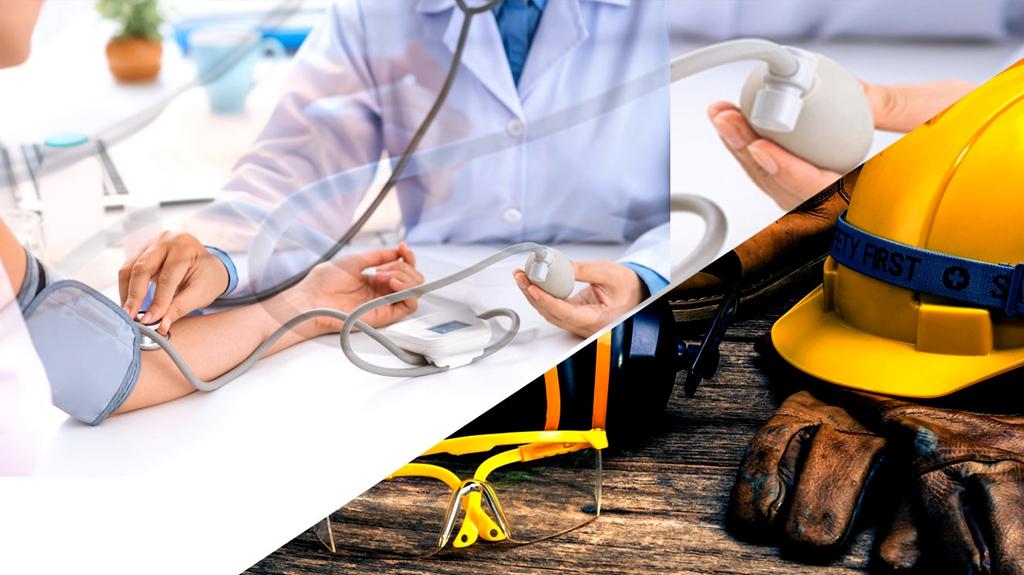
Maintaining a safe and productive workplace is essential for both employees and employers, especially in today’s fast-paced industrial and corporate environments. Strong Occupational Health practices help reduce workplace injuries, improve employee well-being, and enhance overall productivity. At First Care Family Clinic, the focus is on promoting preventive care, early diagnosis, and workplace wellness programs that support safer work environments and healthier employees across different industries.
Understanding Occupational Health and Its Importance
Occupational health refers to the branch of healthcare that focuses on the physical, mental, and social well-being of workers in all occupations. It is designed to prevent work-related illnesses and injuries while improving workplace safety standards. This includes everything from managing exposure to hazardous materials to addressing repetitive strain injuries and mental stress caused by workload.
In many workplaces, employees face risks such as poor ergonomics, long working hours, chemical exposure, and psychological stress. If these risks are not managed properly, they can lead to long-term health problems, reduced productivity, and increased absenteeism. Occupational health programs aim to identify these risks early and implement preventive strategies that protect workers before issues become serious.
Common Workplace Health Risks
Work environments vary widely, and so do the risks associated with them. In physical labor jobs such as construction or manufacturing, employees are often exposed to injuries caused by machinery, heavy lifting, or unsafe conditions. These injuries can include fractures, sprains, or chronic musculoskeletal disorders if proper precautions are not taken.
In office environments, risks are more subtle but equally important. Prolonged sitting, poor posture, and excessive screen time can lead to back pain, neck strain, and eye fatigue. Additionally, mental health concerns such as stress, anxiety, and burnout are increasingly common in high-pressure corporate roles.
Another significant risk involves exposure to harmful substances such as chemicals, dust, or infectious agents in healthcare and industrial settings. Without proper protective measures, these exposures can lead to respiratory diseases or long-term health complications.
Key Occupational Health Practices for Safer Workplaces
Workplace Risk Assessment and Prevention
A strong occupational health system begins with identifying potential hazards in the workplace. Risk assessments help employers understand where dangers exist and how they can be minimized. This process includes evaluating equipment safety, environmental conditions, and employee work patterns.
Once risks are identified, preventive measures such as safety training, protective equipment, and improved workplace design are implemented. Regular monitoring ensures that these measures remain effective over time and adapt to any changes in work processes.
Employee Health Screenings and Monitoring
Routine health check-ups play a crucial role in occupational health. Regular screenings help detect early signs of work-related conditions before they become severe. These may include hearing tests for noisy environments, lung function tests for industrial workers, or musculoskeletal evaluations for individuals performing repetitive tasks.
By monitoring employee health consistently, organizations can reduce long-term medical costs and ensure that workers remain fit for their roles. Early detection also allows for timely treatment, preventing conditions from worsening.
Ergonomics and Workplace Design
Ergonomics focuses on designing workplaces that fit the needs of employees rather than forcing employees to adapt to poor conditions. Proper ergonomic practices include adjustable chairs, correct monitor positioning, and tools designed to reduce strain during repetitive tasks.
In office settings, improving ergonomics can significantly reduce back pain, neck stiffness, and carpal tunnel syndrome. In industrial environments, ergonomic tools help minimize physical strain during lifting or handling heavy materials. A well-designed workplace not only improves health but also boosts productivity and job satisfaction.
Mental Health and Stress Management
Mental well-being is a critical part of occupational health that is often overlooked. High workloads, tight deadlines, and workplace pressure can lead to stress, anxiety, and burnout. Addressing these issues requires both organizational support and individual coping strategies.
Employers can promote mental health by encouraging open communication, offering counseling services, and creating a balanced work culture. On the individual level, stress management techniques such as mindfulness, regular breaks, and physical activity can significantly improve emotional well-being.
Safety Training and Awareness Programs
Education plays a vital role in preventing workplace injuries. Safety training programs ensure that employees understand potential hazards and know how to respond in emergency situations. These programs may include fire safety drills, proper use of machinery, handling of hazardous substances, and first aid training.
When employees are well-trained, they are more confident in identifying risks and taking appropriate action. This not only reduces accidents but also creates a culture of safety awareness across the organization.
Use of Protective Equipment
Personal protective equipment (PPE) such as helmets, gloves, masks, and safety goggles is essential in many workplaces. These tools act as the first line of defense against injuries and exposure to harmful substances.
Proper use and maintenance of protective equipment are equally important. Employers must ensure that PPE is readily available, regularly inspected, and correctly used by all employees. This simple yet effective measure significantly reduces workplace hazards.
Importance of Regular Workplace Inspections
Regular inspections help ensure that safety standards are consistently maintained. These inspections identify potential hazards such as faulty equipment, unsafe practices, or environmental risks. Addressing these issues promptly helps prevent accidents and ensures compliance with safety regulations.
Workplace inspections also provide an opportunity to update safety protocols based on new risks or changes in work processes. Continuous improvement is key to maintaining a safe work environment.
Benefits of Strong Occupational Health Practices
Implementing effective occupational health strategies offers multiple benefits. Employees experience fewer injuries and illnesses, which leads to improved job satisfaction and morale. Organizations benefit from reduced absenteeism, higher productivity, and lower healthcare costs.
A safe work environment also enhances a company’s reputation, making it more attractive to skilled professionals. When employees feel valued and protected, they are more likely to remain loyal and perform better in their roles.
Challenges in Occupational Health Management
Despite its importance, occupational health faces several challenges. Small businesses may lack resources to implement full safety programs. In some industries, resistance to change or lack of awareness can hinder progress. Additionally, evolving workplace technologies introduce new risks that require continuous adaptation.
Overcoming these challenges requires commitment from both employers and employees, along with support from healthcare professionals who specialize in workplace health management.
Building a Culture of Safety and Wellness
Creating a safe workplace goes beyond policies and equipment. It requires building a culture where safety and health are part of everyday behavior. Employees should feel responsible not only for their own well-being but also for their colleagues.
Encouraging teamwork, open communication, and regular feedback helps strengthen this culture. When safety becomes a shared value, workplaces naturally become healthier and more productive.
Conclusion
Strong Occupational Health practices are essential for creating safer, healthier, and more productive work environments. From risk assessments and ergonomic improvements to mental health support and safety training, every step contributes to overall workplace well-being. At First Care Family Clinic, the commitment to occupational health focuses on preventive care, employee wellness, and long-term safety strategies that help organizations build stronger and healthier teams. A proactive approach today ensures fewer risks and better outcomes for the future.
FAQs
- What is Occupational Health?
Occupational health focuses on protecting and improving the health and safety of employees in the workplace. - Why is Occupational Health important?
It helps prevent workplace injuries, reduces health risks, and improves productivity and employee well-being. - What are common workplace health risks?
Common risks include physical injuries, repetitive strain, chemical exposure, and mental stress. - How can workplaces improve Occupational Health?
By implementing safety training, ergonomic design, regular health screenings, and proper use of protective equipment. - Does mental health fall under Occupational Health?
Yes, mental well-being is a key part of occupational health and includes stress management and emotional support systems.
- Technology for Students
- Admissions & Applications
- Online Courses
- Career and Jobs
- Campus Life
- Drinks
- Film
- Fitness
- Food
- الألعاب
- Gardening
- Health
- الرئيسية
- Literature
- Music
- Networking For Students
- Insights
- Party
- Religion
- Shopping
- Sports
- Theater
- Wellness
- Education News
- Business & Finance For Students
- Security, Law & Crime Education
- Insurance
- Science & Technology For Students
 Arabic
 English
 French
 Spanish
 Portuguese
 Deutsch
 Turkish
 Dutch
Dutch
 Italiano
 Russian
 Romaian
 Portuguese (Brazil)
 Greek
Greek