


Why Some Homes Get Repeated Infestations While Others Don’t
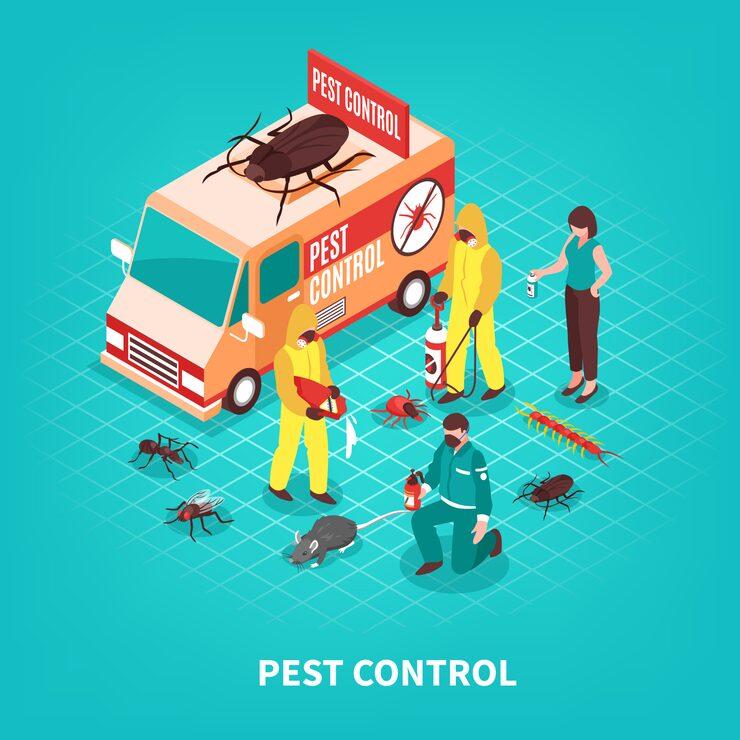
Pests do not choose homes randomly. Two houses on the same street can have completely different experiences; one stays pest free while the other keeps dealing with the same issue again and again. This often leaves homeowners confused and frustrated. The truth is simple, repeated infestations usually come down to a mix of habits, structure, and missed warning signs. Understanding these factors can help you stay ahead and make better use of residential pest control services before problems grow.
Small Entry Points Create Big Problems
Tiny gaps around doors, windows, vents, and pipes can act like open doors for pests. Many homeowners overlook these areas because they seem too small to matter. In reality, insects and rodents need very little space to get inside. Once they find a reliable entry point, they continue to return. Homes that stay pest-free usually have these openings properly sealed, while others leave them unchecked, leading to repeated infestations even after treatment.
Food Sources Keep Pests Coming Back
Pests are always searching for easy access to food, and your home can offer plenty without you realizing it. Crumbs on the floor, open pantry items, and unsealed trash bins all attract unwanted visitors. Even pet food left out overnight can become a steady food source. Homes that manage food storage well tend to have fewer problems, while others unknowingly provide a constant supply. Effective residential pest control services always include guidance on limiting these attractants to reduce repeat activity.
Moisture Plays a Bigger Role Than You Think
Water sources are just as important to pests as food. Leaky pipes, damp basements, and clogged drains create ideal conditions for many species. Kitchens and bathrooms often become hotspots because of hidden moisture issues. Homes that fix these problems early see fewer infestations, while untreated moisture keeps drawing pests inside. Regular checks and simple repairs can make a noticeable difference in keeping your space protected.
Clutter Gives Pests a Place to Hide
Clutter creates safe hiding spots where pests can live and multiply without being noticed. Storage boxes, unused items, and crowded areas provide shelter and protection. Garages, attics, and basements are common problem areas. Clean and organized homes make it harder for pests to settle in, while cluttered spaces give them exactly what they need. Reducing clutter is a simple yet powerful step that supports long-term results from residential pest control services.
Outdoor Conditions Affect Indoor Problems
The outside of your home plays a major role in what happens inside. Overgrown plants, standing water, and piles of debris can attract pests close to your house. Once they are near, finding a way inside becomes easier. Homes that maintain their yards properly create a natural barrier, while neglected outdoor areas increase risk. Regular yard care, trimming plants, and removing waste can lower the chances of pests entering your home.
Inconsistent Treatment Leads to Recurring Issues
One-time treatments may reduce pest activity for a short period, but they rarely solve the full problem. Pests can return if the root cause is not addressed. Homes that rely on consistent pest control plans tend to stay protected, while those that skip follow-ups often deal with repeat infestations. Reliable residential pest control services focus on ongoing monitoring and adjustments, which help prevent problems from coming back.
Different Pests Require Different Solutions
Not all pests behave the same way, and using the wrong method can make the problem worse. Ants, rodents, termites, and cockroaches all require different strategies. Some infestations grow slowly, while others spread quickly. Homes that use targeted treatments see better results, while generic approaches often fail. Understanding the type of pest and choosing the right solution is key to breaking the cycle of repeated infestations.
Early Signs Often Go Ignored
Many infestations start small, but early signs are easy to miss or ignore. A few droppings, faint noises, or occasional sightings may not seem serious at first. These small signals often point to a bigger hidden problem. Homes that act quickly can stop infestations early, while delays give pests time to multiply. Paying attention to these signs and taking action right away can save time, money, and stress later.
Home Structure and Age Make a Difference
Older homes often have more gaps, cracks, and wear that allow pests to enter easily. Poor insulation, damaged roofing, and outdated construction can increase the risk. Newer homes are not immune, but they usually have fewer structural issues. Regular maintenance helps reduce these risks and keeps your home secure. Homes that receive timely repairs are less likely to face repeated infestations compared to those with unresolved structural problems.
Habits Shape Long-Term Results
Daily habits play a bigger role than most people realize. Simple actions like cleaning regularly, storing food properly, and fixing small issues quickly can prevent larger problems. Homes that follow these habits consistently tend to stay pest-free, while others face ongoing challenges. Strong habits combined with professional support create a solid defense against pests and reduce the need for repeated treatments.
Smart Prevention Starts Before the Problem Returns
Pest control works best when it focuses on prevention, not just removal. Waiting until pests appear again often leads to frustration and higher costs. A proactive approach keeps your home protected and reduces the chances of future infestations.
Professional plans, regular inspections, and simple home maintenance all work together to create lasting results. This is why many homeowners rely on residential pest control services to maintain a safe and comfortable living space.
Stop the Cycle, Strengthen Your Defense Today
Repeated infestations are not just bad luck; they are usually the result of overlooked factors that can be fixed with the right approach. A combination of proper maintenance, smart habits, and professional support can break the cycle for good.
If pest problems keep returning, it may be time to take a more complete approach. Whether you manage a home or a business space, expert help can make a real difference. Many providers also offer commercial pest control services, giving you reliable protection across every property you care about.
- Technology for Students
- Admissions & Applications
- Online Courses
- Career and Jobs
- Campus Life
- Drinks
- Film
- Fitness
- Food
- Jogos
- Gardening
- Health
- Início
- Literature
- Music
- Networking For Students
- Insights
- Party
- Religion
- Shopping
- Sports
- Theater
- Wellness
- Education News
- Business & Finance For Students
- Security, Law & Crime Education
- Insurance
- Science & Technology For Students
 Portuguese
 English
 Arabic
 French
 Spanish
 Deutsch
 Turkish
 Dutch
Dutch
 Italiano
 Russian
 Romaian
 Portuguese (Brazil)
 Greek
Greek