


Understanding Sunglass Design and Manufacturing
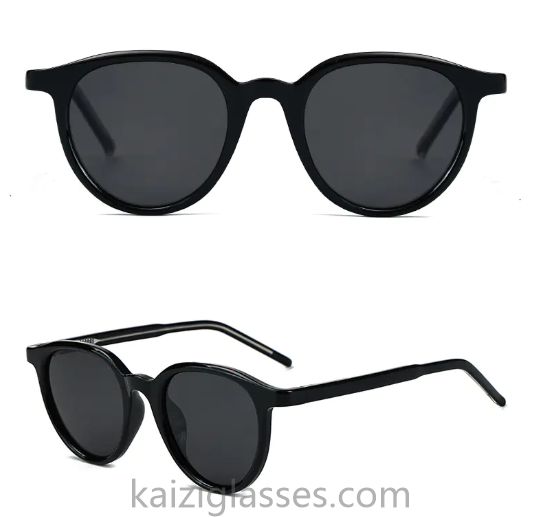
Sunglasses combine fashion, personal style, and functional optical characteristics, making them an important category in the international eyewear market. For importers and retailers, choosing a suitable Sunglasses Factory requires an understanding of how frames and lenses are developed, processed, assembled, and inspected. Different markets have different preferences regarding frame shapes, lens colors, materials, and retail positioning. A successful sourcing decision therefore depends on evaluating the complete product rather than focusing only on its visual appearance or purchase price.
A typical pair of sunglasses consists of a front frame, lenses, bridge, temples, hinges, and supporting components. The front section holds the lenses in position, while the bridge connects the two sides and contributes to the overall fit. Temples extend toward the ears to help keep the eyewear stable during use. Some designs incorporate adjustable nose pads, decorative details, or specialized structural elements. The dimensions and proportions of these components influence the product's appearance, balance, and wearing characteristics.
Frame materials determine many aspects of product design and manufacturing. Plastic materials are widely used because they support a variety of shapes, colors, and surface finishes. Acetate is valued for its distinctive patterns and substantial appearance, making it suitable for fashion-oriented collections. Metal frames provide opportunities for slim profiles and refined details. Mixed-material designs combine different visual and structural characteristics, allowing brands to develop products with more distinctive styling. Buyers should compare material options according to their intended retail positioning and customer preferences.
Lens selection deserves particular attention because sunglasses are often marketed according to specific optical features. Available lens options may differ in color, tint, material, coating, and construction. Some products are designed primarily as fashion accessories, while others may incorporate specific features such as UV protection or polarization. These characteristics should be confirmed through reliable product specifications or appropriate testing documentation. Lens darkness, color, and reflective appearance alone cannot establish the actual level of UV protection or polarization performance.
Product development begins with defining the intended design and market requirements. Buyers may provide reference samples, photographs, drawings, or preferred dimensions. The supplier then evaluates the proposed structure and determines which materials and processing methods are appropriate. Sample development allows the buyer to assess the product before bulk production. This stage is useful for checking frame proportions, lens appearance, color combinations, component positions, and overall finishing. Any required modifications should be documented before the final sample is approved.
Plastic frame manufacturing may involve molding, trimming, shaping, drilling, polishing, and assembly. Acetate frames typically require cutting prepared material, refining edges, shaping components, and completing surface finishing. Metal frames require forming and joining operations, followed by polishing and appropriate surface treatments. The specific production sequence depends on the frame construction. Regardless of the selected method, each component needs to be processed according to the intended design to maintain dimensional consistency and an acceptable finished appearance.
Lens installation is another important stage. The lenses must correspond to the frame openings and be fitted according to the product's construction. Poor alignment, unsuitable dimensions, or inappropriate installation can affect the appearance and usability of the finished sunglasses. During assembly, care should also be taken to protect lens surfaces from scratches and contamination. For products with specialized lens features, the finished eyewear should be checked against the agreed specifications rather than evaluated only through visual inspection.
Hinges and temples influence the practical performance of sunglasses. Hinges should be positioned correctly and allow smooth opening and closing. Temples should be aligned appropriately with the front section, while their length and curvature should correspond to the intended frame design. Nose pads, where included, should be securely attached and positioned consistently. These details may be small, but they contribute to the overall stability and wearing experience of the product.
Quality control should take place throughout production. Initial checks may examine material appearance and component dimensions. During assembly, inspectors can evaluate hinge attachment, alignment, and lens fitting. Final inspection can identify scratches, surface imperfections, color inconsistencies, and other visible defects. Buyers should establish clear inspection requirements before ordering, especially when purchasing multiple styles or colors. Approved samples and written specifications provide useful references for evaluating finished goods.
The commercial requirements of sunglasses buyers vary considerably. Fashion brands may prioritize seasonal designs and distinctive visual details. Optical retailers may prefer versatile products that complement existing frame collections. Wholesale distributors generally need a selection that serves different age groups, fashion preferences, and retail price categories. Online businesses may place additional emphasis on product photography, packaging, and clear product descriptions. Understanding the target sales channel helps buyers select suitable styles and quantities.
When comparing production suppliers, importers should examine product samples, material options, communication practices, and order management arrangements. They should also confirm minimum order quantities, available colors, logo customization, packaging, production schedules, and shipping terms. If products are intended for markets with specific regulatory or labeling requirements, these should be reviewed before purchasing. Marketing claims about UV protection, polarization, or other optical characteristics must correspond to the actual product specifications.
Seasonal demand is another consideration in sunglasses purchasing. Retailers may need to plan collections around warmer months, travel periods, holiday shopping, and changing fashion trends. However, classic silhouettes and versatile colors can also provide year-round commercial opportunities in many markets. Buyers should evaluate their own sales channels and customer preferences when determining product assortments and inventory levels.
A reliable Sunglasses Factory should be able to discuss construction details, product development requirements, inspection expectations, and purchasing arrangements clearly. Establishing a consistent communication process helps reduce misunderstandings and supports repeat orders. Buyers should retain approved samples and product specifications as references for future purchases, particularly when maintaining established collections. International businesses looking for sunglasses and related eyewear products can explore Zhejiang Zhansheng Glasses Co., Ltd. (KAIZI) through https://www.kaiziglasses.com/product/blue-light-glasses/ to review available designs and evaluate potential products for their retail and wholesale markets.
- Technology for Students
- Admissions & Applications
- Online Courses
- Career and Jobs
- Campus Life
- Drinks
- Film
- Fitness
- Food
- Spiele
- Gardening
- Health
- Startseite
- Literature
- Music
- Networking For Students
- Insights
- Party
- Religion
- Shopping
- Sports
- Theater
- Wellness
- Education News
- Business & Finance For Students
- Security, Law & Crime Education
- Insurance
- Science & Technology For Students
 Deutsch
 English
 Arabic
 French
 Spanish
 Portuguese
 Turkish
 Dutch
 Italiano
 Russian
 Romaian
 Portuguese (Brazil)
 Greek