


What Should Businesses Know Before Customizing a WordPress Theme?
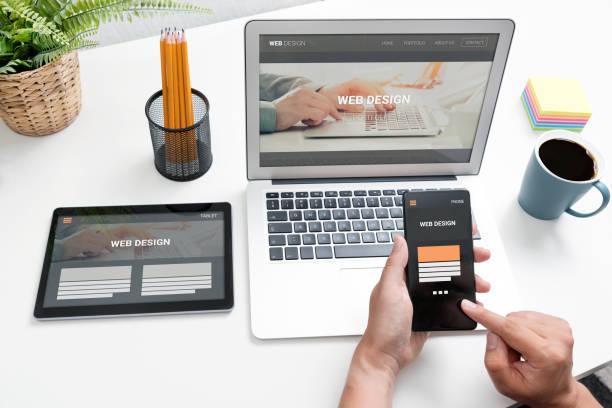
Choosing a WordPress theme is often one of the first decisions businesses make when planning a website. A theme provides the foundation for the site's visual appearance and layout, but its default design may not match every business requirement. Before making changes, businesses should understand how theme customization affects functionality, usability, and future website management.
A thoughtful WordPress web design approach begins with business needs rather than simply selecting a visually attractive template.
Identify What the Existing Theme Can and Cannot Do
Start by reviewing the theme's available layouts, navigation options, typography settings, header styles, and content sections. Some themes provide extensive customization options, while others offer limited control over page structures.
Identify the specific elements that need changing. These might include service-page layouts, homepage sections, portfolio displays, contact forms, or product presentation.
This assessment helps determine whether adjusting the existing theme is sufficient or whether more extensive customization is required.
Decide Between Theme Customization and Custom Development
Theme customization generally involves modifying the appearance and available features of an existing theme. It can be suitable when the theme already supports most of the website's requirements.
Custom theme development offers greater control over the design and functionality. It may be appropriate when a business needs unique page structures, specialized features, or a design that cannot be achieved efficiently with an existing theme.
The right choice depends on the project's complexity, budget, technical requirements, and future plans.
Avoid Installing Plugins for Every Small Requirement
Plugins can extend WordPress functionality, but installing too many overlapping or poorly maintained plugins can create compatibility and maintenance problems.
Before adding a plugin, consider whether the required feature already exists in the theme or can be implemented through a simpler solution.
Check the plugin's update history, compatibility information, support availability, and permissions. Keep the number of unnecessary extensions under control.
Think About Mobile Layouts Before Making Design Changes
A layout that looks balanced on a desktop may become difficult to use on a smartphone. Navigation menus, images, buttons, forms, and content sections should be reviewed at different screen sizes.
Responsive WordPress web design involves more than shrinking desktop elements. It requires arranging content in a way that remains readable and functional on smaller displays.
Testing should include real devices whenever possible.
Consider Website Speed and Search Visibility
Theme customization can influence page performance. Heavy visual effects, oversized images, unnecessary scripts, and additional plugins may increase loading time.
Businesses should optimize images, avoid unnecessary design elements, and review performance after significant changes.
Search visibility also depends on logical heading structures, descriptive page titles, readable URLs, internal linking, and useful content. A visually attractive theme does not automatically make a website SEO-friendly.
Plan for Future Updates and Maintenance
Before customizing a theme, understand how updates will be handled. Directly modifying a parent theme's files can cause changes to be overwritten during updates.
A child theme or another suitable customization approach can help preserve modifications, depending on the development setup.
Businesses should also maintain backups and test significant updates before applying them to a live website.
Make Customization Support Business Requirements
The goal of WordPress theme customization is not to add as many visual features as possible. It is to create a website that reflects the brand, communicates information clearly, and supports everyday business activities.
Working with an experienced WordPress website design company can help businesses assess theme limitations, plan custom layouts, and select appropriate functionality. Webdesign Discovery offers custom WordPress theme development, responsive design, eCommerce integration, and ongoing website support.
A well-planned customization process gives businesses a more suitable website foundation without making future updates unnecessarily complicated.
- Technology for Students
- Admissions & Applications
- Online Courses
- Career and Jobs
- Campus Life
- Drinks
- Film
- Fitness
- Food
- Παιχνίδια
- Gardening
- Health
- Κεντρική Σελίδα
- Literature
- Music
- Networking For Students
- Insights
- Party
- Religion
- Shopping
- Sports
- Theater
- Wellness
- Education News
- Business & Finance For Students
- Security, Law & Crime Education
- Insurance
- Science & Technology For Students
 Greek
 English
 Arabic
 French
 Spanish
 Portuguese
 Deutsch
 Turkish
 Dutch
 Italiano
 Russian
 Romaian
 Portuguese (Brazil)