


How to Evaluate a Power Barrow Factory Before Ordering?
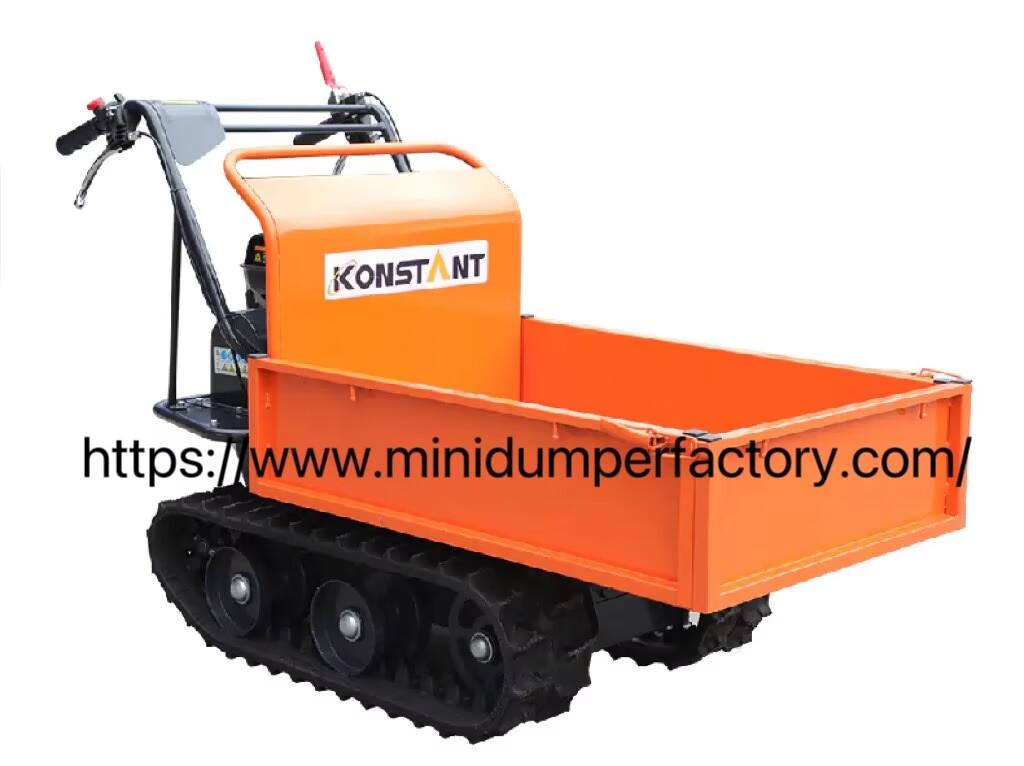
Power Barrow Factory evaluation requires more than comparing product photographs or requesting a quotation. For importers, distributors, construction contractors, and equipment dealers, the purchasing process should include an assessment of equipment configurations, technical communication, customization options, inspection arrangements, and order management. A suitable manufacturing partner should understand the buyer's application and explain how its products correspond with actual operating requirements. Asking detailed questions before production begins can help both parties establish clear expectations.
Identify the Intended Working Conditions
Before selecting a model, buyers should describe where and how the equipment will be used. Construction sites, farms, gardens, landscaping projects, and renovation areas can involve different ground conditions and transportation tasks.
For example, narrow passages may require a compact body and convenient steering arrangement. Uneven ground may call for a suitable drive system and traction configuration. Projects involving soil, gravel, stones, or building materials may require particular attention to carrying capacity and bucket dimensions.
Purchasing teams should prepare information about material types, expected loads, working distances, ground conditions, and daily operating frequency. These details provide a useful starting point for comparing available equipment.
Compare Product Configurations
A product name alone cannot explain how a machine will perform in a particular application. Buyers should review the technical specifications of each proposed model and understand the differences between configurations.
Important details include:
Rated payload and bucket dimensions
Overall machine size and operating weight
Engine or motor configuration
Transmission and drive arrangement
Tire or track design
Hydraulic tipping functions
Steering and braking systems
Fuel or battery requirements
At minidumperfactory, buyers can review battery-powered and gasoline-engine models for different material-handling applications. Comparing these options according to operating conditions can help purchasing teams identify suitable equipment for their target markets.
Ask About Component Selection
The components used in a machine can influence its operation, maintenance requirements, and compatibility with the intended workload. Buyers should ask for information about the engine, motor, transmission, hydraulic components, tires, tracks, electrical parts, and control systems.
It is also useful to confirm whether the proposed components belong to the standard configuration or are optional additions. If a quotation includes accessories or modifications, request a written list so the purchasing team can compare offers accurately.
For repeat orders, buyers should clarify how component specifications are recorded. This makes it easier to confirm whether later batches follow the previously approved configuration.
Review Assembly and Inspection Arrangements
Purchasing teams should understand how equipment is assembled and checked before shipment. Questions can cover frame fabrication, welding, mechanical installation, hydraulic connections, electrical wiring, painting, and final functional testing.
Depending on the model, inspection items may include:
Frame dimensions and welding appearance
Fastener installation
Engine or motor operation
Steering and braking response
Hydraulic lifting and unloading
Electrical connections
General appearance and operating functions
Buyers can request inspection photographs, product videos, or relevant records when an on-site visit is not practical. For larger orders, both parties should agree on inspection requirements and acceptance criteria before production starts.
Confirm Customization Requirements
Different distributors and regional markets may require particular branding or product arrangements. Customization can involve colors, logos, nameplates, instruction manuals, accessories, and selected technical details.
minidumperfactory offers customization options for buyers with specific requirements. To make discussions more efficient, purchasers can prepare logo artwork, color references, drawings, sample photographs, and accessory lists before requesting a quotation.
Not every modification will apply to every model. Buyers should therefore confirm feasibility, additional costs, approval procedures, and possible schedule changes before accepting the final specifications.
Consider Spare Parts and Maintenance
A purchasing decision should also account for the period after delivery. Buyers need to understand which components may require regular maintenance and how replacement parts can be identified and ordered.
Ask whether operating manuals, maintenance instructions, and spare parts information are available. It is also helpful to clarify warranty conditions, technical communication channels, and the process for reporting equipment issues.
Importers and distributors can use this information to prepare local service arrangements and respond to customer maintenance questions. Keeping a record of model numbers and component references can also make future parts inquiries more organized.
Check Packaging and Delivery Details
International orders involve more than product specifications. Buyers should discuss packaging methods, loading arrangements, shipping dimensions, accessory packing, product labels, and export documents.
The order schedule should also be confirmed in writing. Important details include the quantity of each model, approved configurations, customization requirements, inspection timing, and expected shipment arrangements.
If an order contains several equipment versions, request a clear packing list that identifies each model and its included accessories. This can help the receiving team check the shipment and organize inventory after arrival.
Prepare a Supplier Comparison Checklist
Before making a purchasing decision, compare potential suppliers using the same criteria. A practical checklist can include product range, technical specifications, component details, application suitability, inspection procedures, customization, spare parts, documentation, packaging, and communication.
This approach helps buyers evaluate the complete purchasing process instead of focusing only on the quoted unit price. It also gives both parties a clearer reference when discussing technical changes or future orders.For businesses sourcing compact material-handling equipment, buyers can review available models. To discuss application requirements, customization details, order quantities, and delivery arrangements, visit https://www.minidumperfactory.com/ and contact the company for further information.
- Technology for Students
- Admissions & Applications
- Online Courses
- Career and Jobs
- Campus Life
- Drinks
- Film
- Fitness
- Food
- Παιχνίδια
- Gardening
- Health
- Κεντρική Σελίδα
- Literature
- Music
- Networking For Students
- Insights
- Party
- Religion
- Shopping
- Sports
- Theater
- Wellness
- Education News
- Business & Finance For Students
- Security, Law & Crime Education
- Insurance
- Science & Technology For Students
 Greek
 English
 Arabic
 French
 Spanish
 Portuguese
 Deutsch
 Turkish
 Dutch
 Italiano
 Russian
 Romaian
 Portuguese (Brazil)