


High-Quality Lead Wire and Lead Material Manufacturing – Nuclead Manufacturing Co Inc

Lead wire and lead material play an important role in various industrial, manufacturing, and specialised engineering applications. Known for their distinctive physical properties, lead-based materials are used in products and components that require specific characteristics such as density, malleability, and resistance to corrosion. Selecting suitable lead materials and dependable manufacturing support is essential for achieving the required dimensions, performance, and consistency.
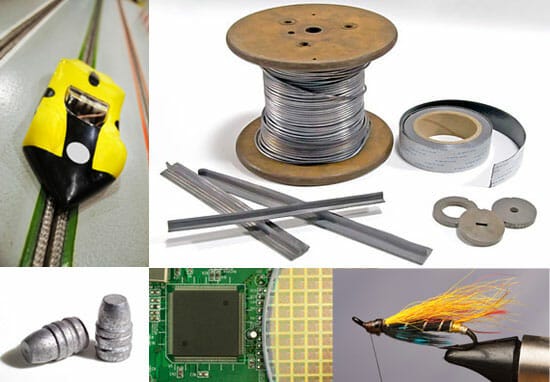
Nuclead Manufacturing Co Inc is associated with lead-based materials and specialised lead products. Whether a project requires lead wire, lead stock, or other lead material forms, understanding the available options and their applications can help businesses make informed sourcing decisions.
1. Understanding Lead Wire and Its Properties
Lead wire is a flexible metal product manufactured by shaping lead into a continuous wire or round extrusion. Since lead is a soft and easily formable metal, it can be produced in different diameters and lengths to meet specific industrial requirements.
Some important properties of lead material include:
-
High Density: Lead has a high density, making it useful in applications where additional weight or ballast is required.
-
Malleability: Its softness allows it to be shaped, cut, and formed for different manufacturing purposes.
-
Corrosion Resistance: Lead offers resistance to several environmental and chemical conditions, depending on the application.
-
Flexible Form: Lead wire can be supplied in coils, spools, or straight lengths according to project requirements.
-
Material Versatility: It is available in pure lead and selected lead alloy compositions for different industrial uses.
These properties make lead wire a specialised material for manufacturing, laboratory, engineering, and other industrial applications.
2. Lead Wire Manufacturing and Available Options
The manufacturing process for lead wire generally involves preparing suitable lead material and forming it through extrusion. During extrusion, the metal passes through a die to create a consistent cross-sectional shape and diameter.
Nuclead Manufacturing Co Inc offers lead wire in different sizes and material compositions. Its product information describes pure and alloyed lead wire, including options supplied in spools and custom lengths. The company also provides lead extrusions and related forms such as lead ribbon, coils, and tape.
Applications & Uses+1
When selecting lead wire, buyers should consider several factors:
-
Diameter: The required wire thickness depends on the intended application and manufacturing design.
-
Material Composition: Pure lead and lead alloys may be selected according to the project’s material requirements.
-
Length: Different projects may require shorter cut lengths or longer continuous wire.
-
Packaging: Spools and coils can support convenient storage, transportation, and handling.
-
Specifications: Material standards, dimensional requirements, and project documentation should be confirmed before ordering.
Choosing the appropriate specifications helps ensure that the material is compatible with the intended manufacturing process.
3. Industrial Applications of Lead Wire
Lead wire is used in several specialised industries because of its physical and material characteristics. Its suitability depends on the required composition, dimensions, and operating conditions.
Some recognised applications include:
-
Manufacturing: Lead wire can serve as raw material for industrial components and fabrication processes.
-
Laboratory Testing: Certain lead wire products are used in testing and measurement applications where the material’s properties are relevant.
-
Metal Finishing: Selected lead alloy extrusions are used in specialised plating and metal-finishing equipment.
-
Aerospace Applications: Lead-based materials may be incorporated into specialised components and weight-related applications.
-
Oil and Gas Industry: Lead wire and extruded lead products can support particular industrial manufacturing and equipment requirements.
-
Scientific Applications: High-purity lead is used in certain deposition and research processes.
Nuclead’s published application information also identifies semiconductor deposition processes, gas detection equipment, thermometry, and specialised fabrication as areas where lead wire may be used.
Applications & Uses+1
4. Lead Material for Different Manufacturing Requirements
Lead material is available in several forms, allowing manufacturers to select products according to their design and production needs. Although lead wire is useful for applications requiring a continuous or flexible form, other lead products are suitable for different purposes.
Common lead material forms include:
-
Lead Wire: Used in specialised industrial, laboratory, and manufacturing applications.
-
Lead Sheet: Suitable for applications such as radiation shielding and construction.
-
Lead Plate: Used in projects requiring thicker lead material.
-
Lead Rods and Rounds: Useful as raw material for machining and component manufacturing.
-
Lead Ingots: Used as a source material for selected casting and processing operations.
-
Lead Bricks and Blocks: Used in shielding arrangements and other specialised installations.
-
Lead Alloys: Selected for applications requiring specific material compositions.
Nuclead Manufacturing Co Inc offers a broad selection of standard and custom lead products, including sheets, plates, wire, extrusions, weights, ingots, and fabricated components.
Nuclead manufacturing co inc+1
5. Why Choose the Right Lead Material Supplier?
Selecting a suitable supplier is an important part of industrial procurement. Businesses need materials that meet their specifications and can be incorporated into their production processes without unnecessary complications.
Here are some important considerations when choosing a lead material supplier:
-
Product Availability: A supplier with a broad product range can help customers source different lead material forms from one place.
-
Custom Dimensions: Specific projects may require non-standard sizes, lengths, or shapes.
-
Material Specifications: Buyers should confirm the grade, composition, and applicable standards before placing an order.
-
Manufacturing Capabilities: Extrusion, machining, cutting, and fabrication services can be valuable for specialised requirements.
-
Quality Assurance: Consistent inspection and quality-control procedures help verify that supplied products meet agreed specifications.
-
Technical Communication: Clear discussions about drawings, dimensions, quantities, and intended applications help reduce sourcing errors.
Nuclead provides standard and custom lead products along with specialised manufacturing and fabrication services. Its capabilities include machining, lead welding, cutting, casting, and assembly for projects that require customised components.
Nuclead+1
6. Custom Lead Wire and Extrusion Solutions
Not every industrial project can use standard material dimensions. Some applications require specific wire diameters, lengths, alloy compositions, or cross-sectional profiles. Custom extrusion can help meet these requirements by forming lead into the required shape.
Nuclead Manufacturing Co Inc describes its lead wire offerings in different diameters and configurations. Its published product information also discusses pure and alloyed lead wire, with options for spools and longer lengths depending on the order.
Nuclead manufacturing co inc+1
Custom lead wire can be considered when:
-
A manufacturing process requires a particular diameter.
-
A project needs a specific lead alloy composition.
-
The material must be supplied in selected lengths.
-
A component requires a particular cross-sectional profile.
-
The buyer needs material prepared for further fabrication or machining.
Providing accurate technical drawings and specifications helps a manufacturer understand the requirements and recommend an appropriate product.
7. Safe Handling and Responsible Use of Lead Material
Lead is a toxic metal, so its storage, handling, processing, and disposal require appropriate precautions. Businesses working with lead wire or other lead materials should follow applicable occupational health and environmental regulations.
Important safety considerations include:
-
Use suitable protective equipment and workplace controls.
-
Avoid creating or inhaling lead dust and fumes.
-
Maintain appropriate ventilation during operations that may generate airborne lead.
-
Keep lead materials away from food preparation and eating areas.
-
Follow established hygiene and housekeeping procedures.
-
Ensure that waste and scrap lead are handled through appropriate recycling or disposal channels.
Employers should consult relevant safety guidance and qualified professionals to establish suitable procedures for their specific workplace and operations.
8. Nuclead Manufacturing Co Inc for Lead Wire and Lead Material
Nuclead Manufacturing Co Inc offers a range of lead products for industrial, commercial, scientific, construction, medical, and other specialised applications. Its product selection includes lead wire, lead ribbon, extrusions, sheets, plates, bricks, blocks, ingots, and lead alloys.
The company also provides custom manufacturing services for customers who need products prepared according to particular dimensions and project specifications. These capabilities make it relevant to businesses looking for both standard lead material and customised lead components.
Whether a requirement involves lead wire for manufacturing, lead extrusions for specialised fabrication, or other lead material forms, customers can discuss their technical requirements with the company and explore suitable options.
Frequently Asked Questions (FAQs)
1. What is lead wire used for?
Lead wire is used in specialised manufacturing, laboratory testing, metal finishing, scientific processes, and certain industrial applications. Its suitability depends on its composition and dimensions.
2. What are the common forms of lead material?
Common forms include lead wire, sheet, plate, rods, rounds, ingots, bricks, blocks, and alloys. Each form serves different manufacturing and industrial requirements.
3. Can lead wire be manufactured in custom sizes?
Yes. Lead wire can be produced in different diameters and lengths. Custom requirements should be discussed with the manufacturer before ordering.
4. What is the difference between pure lead wire and alloyed lead wire?
Pure lead wire is made primarily from lead, while alloyed lead wire contains additional elements to achieve a specified composition and material characteristics. The appropriate option depends on the application.
5. Why is lead material used in industrial applications?
Lead is valued for properties such as high density, softness, and formability. These characteristics make it suitable for selected industrial, shielding, weighting, and manufacturing applications.
Conclusion
Lead wire and lead material remain important for a variety of specialised industrial and manufacturing requirements. From extruded wire and lead ribbon to sheets, plates, rods, and alloys, different product forms offer options for projects with specific material and dimensional needs.
Nuclead Manufacturing Co Inc provides standard and custom lead products, supported by manufacturing and fabrication capabilities. Businesses looking for lead wire, lead extrusions, or other lead material can explore the company’s product range and discuss their specifications to identify suitable solutions for their applications. For more visit us!
- Technology for Students
- Admissions & Applications
- Online Courses
- Career and Jobs
- Campus Life
- Drinks
- Film
- Fitness
- Food
- Игры
- Gardening
- Health
- Главная
- Literature
- Music
- Networking For Students
- Insights
- Party
- Religion
- Shopping
- Sports
- Theater
- Wellness
- Education News
- Business & Finance For Students
- Security, Law & Crime Education
- Insurance
- Science & Technology For Students
 Russian
 English
 Arabic
 French
 Spanish
 Portuguese
 Deutsch
 Turkish
 Dutch
 Italiano
 Romaian
 Portuguese (Brazil)
 Greek