


Can Rct Milling Cutter for Wood Support Modern Furniture Making
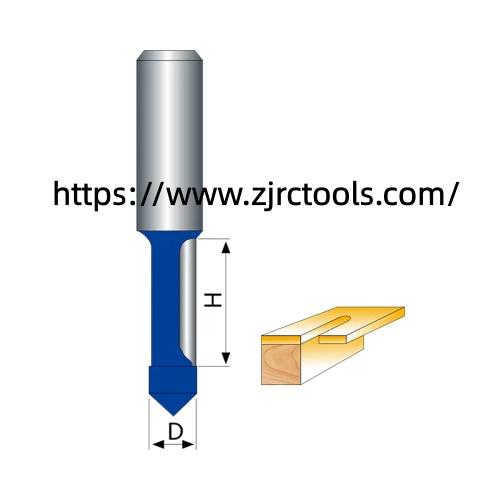
Milling Cutter for Wood plays an important role in shaping the appearance and functionality of furniture components, decorative details, and interior products. As woodworking continues to combine traditional craftsmanship with automated manufacturing, workshops are paying closer attention to the relationship between cutting tools, material characteristics, and finished product quality. A suitable tooling solution can influence how efficiently a project moves from an initial design to a finished component. For manufacturers, understanding these connections helps make purchasing decisions more practical and supports better coordination throughout production.
The material being processed is one of the first considerations when selecting machining accessories. Natural timber has distinctive grain patterns, varying densities, and differences in surface texture. These characteristics influence how a cutting edge interacts with the workpiece. Harder species may require a different approach from softer varieties, while engineered boards introduce additional considerations related to adhesives, fibers, and surface coatings.
Carbide and high speed steel are commonly used in professional cutting applications. Each material has characteristics that influence edge retention, resistance to wear, and suitability for different manufacturing environments. Carbide is frequently considered for applications involving repeated machining and abrasive composite boards. High speed steel can also be suitable for particular workshop operations where tool characteristics and maintenance requirements align with the intended task.
Material selection should never be separated from the actual production environment. Workshops processing several types of boards need to consider how frequently each material is used and what finish the final product requires. This approach helps manufacturers organize their tooling inventory and avoid unnecessary purchases.
Another important consideration is the geometry of the cutting edge. Different profiles create different visual effects and functional features. Straight profiles can support groove creation and general shaping, while rounded edges contribute to softer furniture outlines. Specialized profiles can also produce decorative details for cabinet doors, furniture frames, shelving, and interior accessories.
The arrangement of cutting edges influences chip formation and material removal. Flute design affects how debris leaves the working area, while edge geometry influences the interaction between the accessory and the material. These characteristics matter when a workshop needs to balance surface appearance, machining stability, and production requirements.
For buyers, understanding the intended application is more useful than selecting accessories based only on their appearance. A product designed for detailed decorative work may not suit every general shaping operation. Similarly, a profile intended for edge finishing may not meet the requirements of deep groove production. Identifying the actual machining task before purchasing helps narrow the available choices.
Machine compatibility deserves equal attention. The connection between the accessory and the equipment needs to be secure and appropriate for the intended operation. Buyers should review the manufacturer's product information and compare mounting requirements with their existing machinery. Compatibility also involves considering the working environment, equipment condition, and production process.
Modern furniture manufacturing has created additional opportunities for customized shapes and decorative finishes. Cabinet manufacturers, interior product suppliers, and furniture workshops increasingly work with different surface styles to meet changing design preferences. Curved edges, recessed details, shaped panels, and decorative grooves can all contribute to the visual character of a finished product.
Computer controlled machining has also changed how workshops approach detailed production. Digital designs can be translated into machining paths, allowing manufacturers to reproduce specific shapes across multiple components. However, the final result still depends on the relationship between programming, machine condition, material stability, and accessory selection. Technology provides greater flexibility, but careful preparation remains essential.
The user experience inside a workshop should not be overlooked. Convenient tool changes, organized storage, clear product identification, and straightforward maintenance can make daily operations easier to manage. When employees can identify suitable accessories quickly, preparation becomes more organized and production interruptions can be easier to control.
Routine inspection is another part of responsible workshop management. Cutting edges should be checked for visible wear, accumulated residue, or damage. Cleaning and storage should follow the manufacturer's recommendations. Proper maintenance helps manufacturers identify potential issues before they affect an entire production batch. Operators should also use suitable guards, dust extraction, and personal protective equipment while following the operating instructions supplied with their machinery.
From a purchasing perspective, communication between buyers and manufacturers can simplify the selection process. Providing information about the intended material, machining application, equipment compatibility, and desired surface appearance gives suppliers a clearer understanding of the project. Photographs or drawings can also help explain the required profile and avoid misunderstandings during product discussions.
Rct focuses on practical cutting tool solutions for manufacturing applications where material compatibility, product design, and machining requirements all deserve attention. Whether a workshop handles furniture components, cabinet details, decorative profiles, or customized interior products, selecting suitable tooling begins with understanding the actual production task. Buyers interested in reviewing available product categories and identifying options for their manufacturing needs can visit the Rct product range at https://www.zjrctools.com/product/ as part of their purchasing research. Combining thoughtful selection with proper machine preparation and routine maintenance helps create a more organized approach to everyday woodworking production.
- Technology for Students
- Admissions & Applications
- Online Courses
- Career and Jobs
- Campus Life
- Drinks
- Film
- Fitness
- Food
- Παιχνίδια
- Gardening
- Health
- Κεντρική Σελίδα
- Literature
- Music
- Networking For Students
- Insights
- Party
- Religion
- Shopping
- Sports
- Theater
- Wellness
- Education News
- Business & Finance For Students
- Security, Law & Crime Education
- Insurance
- Science & Technology For Students
 Greek
 English
 Arabic
 French
 Spanish
 Portuguese
 Deutsch
 Turkish
 Dutch
 Italiano
 Russian
 Romaian
 Portuguese (Brazil)