


Practical Solutions for Petroleum Storage and Movement
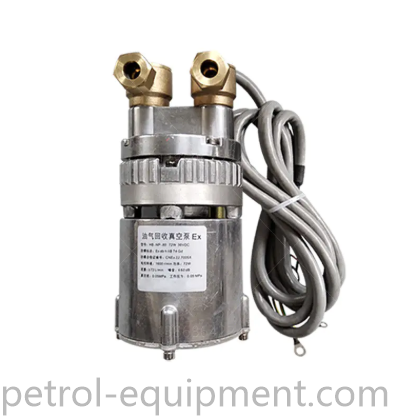
Moving petroleum products between storage tanks, vehicles, machinery, and dispensing points requires equipment designed for the physical and chemical characteristics of the liquid being handled. In industrial facilities, transport depots, workshops, and agricultural operations, Fuel Handling Equipment forms an important part of the infrastructure used to control product movement. A typical arrangement may include pumps, hoses, valves, connectors, filters, meters, and storage accessories. The selection of these components affects transfer efficiency, operating convenience, maintenance requirements, and the overall reliability of the handling process.
Fuel handling covers several different activities, including receiving petroleum products, transferring liquids between containers, supplying machinery, dispensing fuel, and monitoring consumption. Each activity may require a different equipment configuration. A fixed installation connected to a bulk storage tank has different operating conditions from a portable transfer arrangement used to refuel construction machinery. Understanding the application before selecting equipment helps businesses avoid compatibility problems and unnecessary investment.
Pumps provide the force required to move fuel through a transfer system. Their operating principles and construction vary depending on the intended application. Electric transfer pumps are frequently considered for facilities with a suitable electrical supply and regular fuel movement requirements. Other configurations may be appropriate for mobile applications or installations where alternative power arrangements are needed. Buyers should examine flow capacity, pressure requirements, suction conditions, duty cycle, liquid compatibility, and installation limitations before making a selection.
The type of petroleum product is an important factor in pump selection. Diesel, gasoline, lubricating oil, and other petroleum-based liquids do not necessarily have identical handling characteristics. Differences in viscosity, volatility, temperature sensitivity, and chemical compatibility can affect equipment performance. Seals, internal components, and connection materials must be appropriate for the specific liquid. A pump designed for one application should not automatically be used for another without confirming the manufacturer's compatibility information.
Hoses provide the flexible transfer pathway between connected equipment. In many industrial operations, they must accommodate movement, changing working positions, and different connection locations. The selected hose should have suitable pressure ratings, internal diameter, length, flexibility, and material compatibility. Excessive bending, twisting, dragging, or exposure to unsuitable environmental conditions can shorten hose service life. Correct routing and storage are therefore important parts of an effective handling arrangement.
Hose reels are useful where operators repeatedly extend and retract delivery hoses. They help maintain a more organized work area and reduce the need to place hoses directly on floors or walkways. Reels may be manually operated or equipped with automatic retraction mechanisms, depending on the intended use. Before purchasing, businesses should verify that the reel can accommodate the required hose length, diameter, weight, and working pressure. Mounting strength and installation clearance should also be considered.
Flow meters provide another important function by measuring the volume of liquid passing through a transfer line. This information can support fuel inventory management, equipment consumption records, internal cost allocation, and commercial dispensing activities. Meter selection should be based on the type of liquid, flow range, operating conditions, required measurement performance, and maintenance arrangements. For operations that use measurement data for billing or regulated transactions, the applicable calibration and verification requirements must also be considered.
Valves and fittings contribute to the control and connection of the handling system. They allow operators and system designers to establish suitable flow paths, isolate equipment for maintenance, and connect different components. Their material, size, pressure rating, and connection type should match the rest of the installation. Poorly matched fittings may introduce leakage risks or restrict the flow capacity of the system. For this reason, procurement teams should review the complete connection arrangement instead of purchasing accessories based only on nominal dimensions.
Industrial applications place different demands on handling equipment. Manufacturing facilities may use transfer systems to supply production machinery or manage petroleum-based process liquids. Vehicle maintenance workshops require equipment for dispensing fuel and managing lubricants. Agricultural businesses may need transfer solutions for tractors, harvesters, and other machinery operating across large areas. Construction companies often require flexible arrangements that can support equipment refueling at changing work locations. These applications differ in mobility, transfer frequency, fuel volume, and environmental exposure.
Safety should remain a central consideration throughout the design and use of petroleum handling systems. Equipment must be suitable for the product and the operating environment. Facilities should consider electrical classification, ventilation, static electricity control, grounding, spill prevention, fire protection, and emergency isolation where applicable. Operators should receive appropriate training and follow established procedures for connecting hoses, operating pumps, monitoring transfers, and responding to leaks. Manufacturer instructions and local regulations should guide equipment installation and maintenance.
Routine inspection helps identify problems before they affect normal operations. Hoses should be examined for cracks, swelling, abrasion, and leakage. Pump assemblies should be checked for abnormal vibration, noise, overheating, and reduced output. Connections and seals require periodic attention, while meters should be maintained according to their technical documentation. Reels should operate smoothly and remain securely mounted. Inspection frequency should reflect actual usage, the characteristics of the liquid, and the working environment.
For procurement teams, the best selection process starts with a detailed understanding of the intended transfer task. Relevant information includes fuel type, required flow rate, hose dimensions, operating pressure, power availability, transfer distance, and whether the system will remain stationary or move between locations. Buyers should also review spare parts, technical support, packaging, and the availability of compatible accessories. Integrated kits can simplify procurement by combining pumps and associated delivery components, while separate products may be preferable when an installation requires a specific configuration.
When comparing Fuel Handling Equipment, businesses should consider the entire transfer process, from the storage source to the final delivery point. Equipment compatibility, maintenance accessibility, operating conditions, and appropriate safety provisions are more useful evaluation criteria than individual product features considered in isolation. For companies reviewing integrated petroleum transfer solutions, including pump assemblies, hose reels, and flow measurement options, product configurations are available at https://www.petrol-equipment.com/product/oil-pumps-pump-kits-hose-reels/hose-reel-pump-kits-with-flow-meter/ for further evaluation against their operational requirements.
- Technology for Students
- Admissions & Applications
- Online Courses
- Career and Jobs
- Campus Life
- Drinks
- Film
- Fitness
- Food
- Spiele
- Gardening
- Health
- Startseite
- Literature
- Music
- Networking For Students
- Insights
- Party
- Religion
- Shopping
- Sports
- Theater
- Wellness
- Education News
- Business & Finance For Students
- Security, Law & Crime Education
- Insurance
- Science & Technology For Students
 Deutsch
 English
 Arabic
 French
 Spanish
 Portuguese
 Turkish
 Dutch
 Italiano
 Russian
 Romaian
 Portuguese (Brazil)
 Greek