


What Buyers Should Know About Adaptive Eyewear
Modern eyewear is increasingly designed to address different visual environments rather than providing vision correction alone. As consumers spend time moving between indoor spaces, outdoor activities, and digital devices, functional lens technologies have become an important part of product development. For buyers evaluating Photochromic Blue Glasses, understanding how light-responsive technology works and how it differs from other lens treatments is essential. The combination of adaptive tinting and blue-light-related features may serve customers looking for versatile eyewear, although the actual performance depends on the lens design, material, coating, and product specifications.
Photochromic lenses are designed to change their light transmission characteristics in response to environmental light, particularly ultraviolet radiation for many conventional photochromic technologies. Under suitable outdoor conditions, the lenses darken as photochromic molecules undergo a reversible chemical change. When ultraviolet exposure decreases, the molecules gradually return toward their original state, allowing the lenses to become clearer again. The speed and degree of this transition depend on the photochromic material, temperature, light conditions, and lens construction.
This adaptive behavior offers practical advantages for people who regularly move between indoor and outdoor environments. Instead of changing between ordinary prescription glasses and separate tinted eyewear, users can benefit from a single pair of glasses that adjusts its appearance according to surrounding conditions. Photochromic lenses may be useful for commuting, walking, shopping, and other everyday activities. However, they should not automatically be considered a complete replacement for dedicated sunglasses in every situation, especially where specific sun protection or driving requirements apply.
Blue-light-related lens features address a different concern. Blue light is part of the visible light spectrum and comes from natural sunlight as well as artificial sources such as LED lighting and digital displays. Some eyewear products incorporate filters or coatings intended to reduce the transmission of selected blue-light wavelengths. These products are often marketed toward consumers who spend considerable time using computers, smartphones, and tablets. Buyers should understand the specific spectral transmission characteristics of a product before making claims about its intended benefits.
Combining photochromic technology with blue-light-related treatments involves considering how different optical functions interact. The photochromic component is primarily associated with changing tint in response to light exposure, while the blue-light feature concerns selective light transmission. Their performance should therefore be evaluated separately as well as in combination. Product specifications should identify the relevant technology, available lens colors, transmission characteristics, and any additional coatings. Clear technical information helps retailers explain the product accurately and avoid unrealistic consumer expectations.
Lens materials influence the overall wearing experience. Common options include conventional plastic, polycarbonate, and high-index materials. Conventional plastic lenses are widely used for prescription eyewear and offer practical processing flexibility. Polycarbonate is often considered for applications where impact resistance and reduced weight are desirable. High-index materials can help reduce thickness for stronger prescriptions. The most suitable material depends on prescription power, frame design, desired appearance, and the intended application. Photochromic performance and coating compatibility should also be confirmed for the selected material.
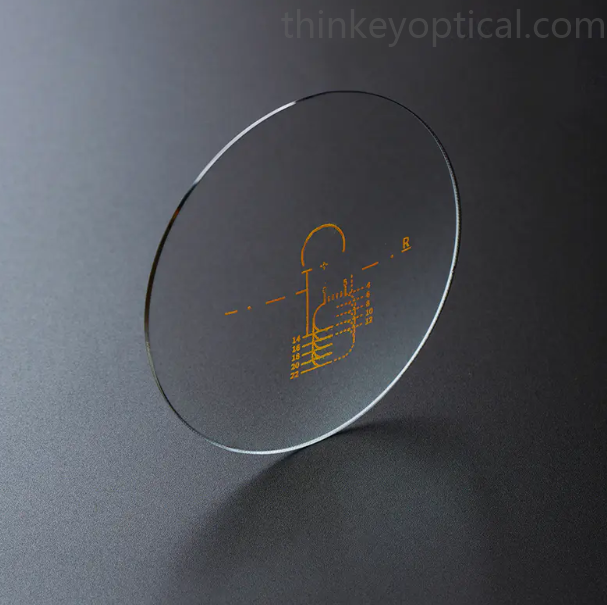
Optical design is equally important when the glasses are intended for prescription use. Single vision lenses provide one corrective power across the main viewing area. Progressive lenses incorporate distance, intermediate, and near vision zones within a continuous design. Some consumers may prefer adaptive lenses with single vision correction, while others may need progressive designs for multiple viewing distances. In either case, accurate prescription information, pupillary distance, fitting height where applicable, and frame measurements are important for achieving suitable visual performance.
Coatings can provide additional functions that complement adaptive lens technology. Anti-reflective coatings reduce surface reflections and can improve the appearance of lenses in different lighting conditions. Hard coatings help protect lens surfaces against everyday abrasion, while hydrophobic treatments can make water and fingerprints easier to clean. UV protection should be assessed according to the actual material and product specifications. Buyers should avoid assuming that a blue-light filter automatically provides ultraviolet protection or that every photochromic product offers identical UV performance.
For manufacturers, wholesalers, and optical distributors, product consistency is a major sourcing consideration. The degree of darkening, fading behavior, color appearance, optical power accuracy, and coating quality may influence customer satisfaction. Sample evaluation can help buyers compare products under controlled indoor and outdoor conditions. It is also useful to review the product's technical documentation, storage requirements, available prescription ranges, and packaging details before confirming bulk orders. These checks are particularly important when a product combines multiple functional technologies.
Application requirements should guide product positioning. Office workers may prioritize clear indoor appearance and digital-use features, while commuters and outdoor consumers may be more interested in adaptive tinting. Optical retailers can explain these distinctions to help customers select products according to their daily routines. They should also clarify that individual experiences can vary with environmental conditions and that photochromic lenses may not darken equally behind every type of vehicle windshield.
Temperature, exposure intensity, and product age can influence photochromic response. Higher temperatures may affect the depth of darkening in some technologies, while limited ultraviolet exposure can reduce the visible transition. Appropriate cleaning and storage help maintain the condition of the lens surface and coatings. Users should follow the manufacturer's care instructions and avoid harsh chemicals or abrasive materials that could damage functional treatments.
For international buyers, product evaluation should include material specifications, optical parameters, functional performance, coating compatibility, sample testing, and destination-market requirements. Understanding these factors allows businesses to select Photochromic Blue Glasses that match their intended customer segment instead of relying solely on product descriptions or appearance. Optical businesses exploring lens categories and potential product sourcing options can find further information at https://www.thinkeyoptical.com/.
- Technology for Students
- Admissions & Applications
- Online Courses
- Career and Jobs
- Campus Life
- Drinks
- Film
- Fitness
- Food
- Jogos
- Gardening
- Health
- Início
- Literature
- Music
- Networking For Students
- Insights
- Party
- Religion
- Shopping
- Sports
- Theater
- Wellness
- Education News
- Business & Finance For Students
- Security, Law & Crime Education
- Insurance
- Science & Technology For Students
 Portuguese
 English
 Arabic
 French
 Spanish
 Deutsch
 Turkish
 Dutch
 Italiano
 Russian
 Romaian
 Portuguese (Brazil)
 Greek