


Understanding Vinyl-Based Films for Modern Decorative Applications
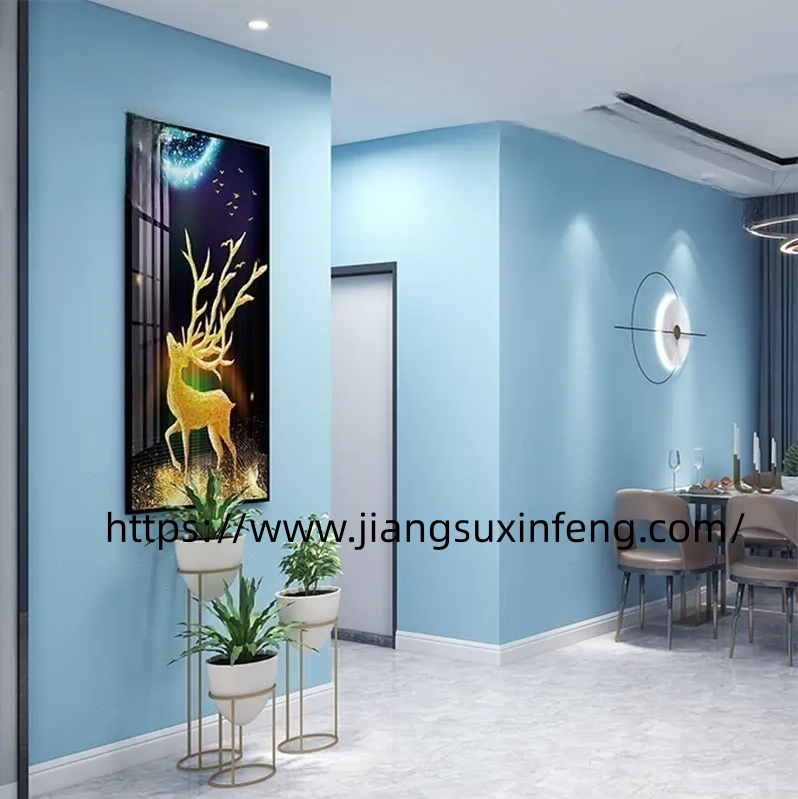
The surfaces surrounding us play an important role in how products and interiors are perceived. A cabinet door, display panel, retail fixture, or decorative wall element can gain a different character through the material applied to its exterior. For manufacturers seeking adaptable finishing options, Vinyl Film provides a versatile approach to introducing color, patterns, and surface effects without changing the underlying structure of a product. Its flexibility makes it relevant to furniture production, interior decoration, retail environments, and various creative applications.
The characteristics of a film begin with its material composition. Vinyl-based materials are formulated to achieve a balance between flexibility, workability, surface appearance, and suitability for different processing methods. Depending on the intended application, manufacturers may adjust the formulation and combine it with printing, coating, or other finishing processes. These choices influence how the finished material looks, feels, and behaves during handling. Buyers should therefore consider the complete construction rather than judging a product only by its visible surface.
One important purchasing consideration is the relationship between the film and the object receiving it. A decorative finish designed for a smooth furniture panel may not be suitable for a surface with deep contours or complex edges. Buyers should identify the substrate, its condition, and the intended application method before comparing products. They should also explain whether the material will be used in factory production, furniture renovation, or on-site decoration. This information helps suppliers recommend options that are more closely aligned with the actual project.
Appearance is another major part of the selection process, but it should be evaluated in context. A sample viewed under showroom lighting may look different when installed in a naturally lit room or a commercial environment. Buyers can compare samples against the surrounding materials, furniture colors, and lighting conditions to understand how a finish will work within the complete design. It is also useful to ask about pattern consistency, surface treatment, and the availability of coordinated finishes when several components need to share a similar appearance.
Production techniques give these materials their wide range of visual possibilities. Printing can reproduce decorative patterns, gradients, and images, while embossing introduces tactile details that create a more dimensional surface. Coating processes can change the visual character from reflective to subdued, depending on the desired finish. Some products are developed for lamination onto panels, while others may be designed for self-adhesive application. Understanding these differences helps buyers distinguish between materials that may appear similar in a catalogue but serve different practical purposes.
The functional value of a decorative film extends beyond changing the color of a surface. It can help manufacturers establish a consistent product identity, refresh existing furniture, or coordinate separate interior elements. For businesses producing cabinets, shelving, display fixtures, and decorative components, a selected finish can become part of a recognizable product style. The material may also help simplify the visual treatment of a project by providing a repeatable surface design across multiple components. Its suitability, however, depends on the substrate, processing conditions, and expected use.
Everyday experience is shaped by how the finished surface responds to regular contact and maintenance. Furniture in a family home may be exposed to fingerprints, occasional spills, and repeated cleaning. A retail display may experience frequent handling, while decorative panels in an office may need to retain a consistent appearance in a shared environment. Buyers should ask suppliers about recommended cleaning practices and the material's intended service conditions. Gentle cleaning methods and suitable care products can help maintain the surface, while harsh chemicals or abrasive tools may affect certain coatings and finishes.
Visual design offers further opportunities for creative use. Wood-inspired patterns can introduce warmth to contemporary furniture, while stone-like designs can create a more architectural impression. Soft colors may support calm residential interiors, whereas bold graphics can help retail fixtures attract attention. Matte surfaces often work well in understated settings, while gloss finishes can make decorative details more prominent. Textured designs add another dimension by creating a relationship between visual appearance and touch. Designers can combine these effects with metal, glass, fabric, and natural materials to develop interiors with greater visual variety.
For manufacturers, a dependable material partner can make the selection and development process more straightforward. Product range, surface consistency, customization capabilities, technical communication, and manufacturing experience are all worth considering when evaluating suppliers. Jiangsu Xinfeng Star Film Materials Co., Ltd. works with decorative film materials for furniture and interior-related applications, including products developed with different surface finishes and application purposes. Buyers researching film options for their own projects can explore the company's materials and manufacturing background at https://www.jiangsuxinfeng.com/.
- Technology for Students
- Admissions & Applications
- Online Courses
- Career and Jobs
- Campus Life
- Drinks
- Film
- Fitness
- Food
- Jocuri
- Gardening
- Health
- Home
- Literature
- Music
- Networking For Students
- Insights
- Party
- Religion
- Shopping
- Sports
- Theater
- Wellness
- Education News
- Business & Finance For Students
- Security, Law & Crime Education
- Insurance
- Science & Technology For Students
 Romaian
 English
 Arabic
 French
 Spanish
 Portuguese
 Deutsch
 Turkish
 Dutch
 Italiano
 Russian
 Portuguese (Brazil)
 Greek