


Surge Aerator Solutions by Chinaaerator
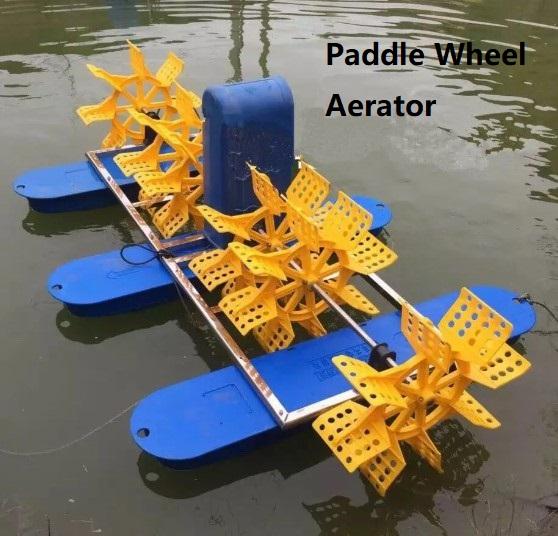
Maintaining suitable water conditions is an important part of successful aquaculture management. When fish farmers look for practical equipment to improve pond circulation and support oxygen exchange, a Surge Aerator can be a useful option for different farming environments. Choosing the right Surge Aerator requires careful consideration of pond conditions, installation arrangements, equipment structure, and daily operating requirements. Understanding these factors helps aquaculture businesses select equipment that matches their production needs and long-term management plans.
Understanding Water Movement in Aquaculture
Water movement plays an important role in maintaining a suitable environment for aquatic organisms. In fish farming ponds, insufficient circulation may lead to stagnant areas and uneven distribution of dissolved oxygen.
Aeration equipment helps create water movement and increase contact between water and air. This process supports oxygen exchange and helps improve circulation throughout the pond.
Different aeration systems use different mechanical structures and operating methods. Therefore, farm operators should understand their pond characteristics before selecting equipment. Pond dimensions, water depth, stocking density, and existing water management facilities are all relevant considerations.
A suitable aeration arrangement can help operators manage their ponds more effectively while supporting regular aquaculture activities.
Factors to Consider When Selecting Aeration Equipment
Choosing appropriate aeration machinery involves more than comparing product appearance. Buyers should evaluate the equipment according to its intended working environment and operating requirements.
Mechanical construction is one important consideration. The supporting frame, rotating components, motor configuration, and connection structure should be suitable for the intended application.
Installation flexibility also deserves attention. Different ponds may have different layouts, available installation areas, and electrical arrangements. Selecting equipment that matches these conditions can make installation and future maintenance more convenient.
In addition, buyers should consider operating stability and access to replacement components. Understanding these details before purchasing can help reduce unnecessary adjustments and improve equipment management.
Chinaaerator and Aquaculture Equipment Applications
Aquaculture businesses often require equipment that can accommodate different pond environments and production arrangements. Product selection should therefore be based on actual operating conditions rather than general assumptions.
Chinaaerator provides aeration equipment solutions for various aquaculture applications. Buyers can explore different equipment structures and compare product details according to their farming requirements.
When communicating with a supplier, it is helpful to provide information about pond size, water depth, installation location, and expected operating conditions. These details allow suppliers to better understand the application and recommend relevant equipment options.
For distributors and wholesale buyers, product specifications and component availability are also important. Clear technical information can support purchasing decisions and make communication with customers more efficient.
Installation and Operating Considerations
Proper installation contributes to the effective operation of aquaculture machinery. Before installing equipment, operators should evaluate the pond layout and identify a suitable position that allows convenient access for inspection and maintenance.
Electrical connections should follow the manufacturer's instructions and applicable safety requirements. Since aquaculture equipment operates near water, appropriate electrical protection and secure cable arrangements are particularly important.
During initial operation, operators should observe equipment movement and listen for unusual sounds. Any abnormal vibration, loose connections, or unexpected operating conditions should be checked before continuing regular use.
It is also useful to coordinate the equipment position with other pond management facilities. A well-planned arrangement can help avoid unnecessary interference and support more organized water circulation.
Maintenance Practices for Reliable Aquaculture Operations
Routine maintenance helps operators monitor equipment condition and identify potential issues early. Outdoor working environments may expose machinery to moisture, dirt, and continuous operating demands, making regular inspection particularly important.
Operators should check visible mechanical components, fasteners, supporting structures, and electrical connections. Signs of corrosion, wear, or looseness should be addressed according to the manufacturer's recommendations.
Cleaning the equipment periodically can also help maintain a suitable working condition. Any maintenance involving electrical or rotating components should follow appropriate safety procedures.
Keeping maintenance records is another useful practice for commercial fish farms. Recording inspection dates, replacement components, and operating observations helps managers organize future maintenance activities.
For fish farms, distributors, and aquaculture equipment buyers seeking practical solutions, understanding product structures and application requirements is an important starting point. Visit https://www.chinaaerator.net/ to explore aeration machinery and related equipment for different aquaculture projects.
- Technology for Students
- Admissions & Applications
- Online Courses
- Career and Jobs
- Campus Life
- Drinks
- Film
- Fitness
- Food
- Oyunlar
- Gardening
- Health
- Home
- Literature
- Music
- Networking For Students
- Insights
- Party
- Religion
- Shopping
- Sports
- Theater
- Wellness
- Education News
- Business & Finance For Students
- Security, Law & Crime Education
- Insurance
- Science & Technology For Students
 Turkish
 English
 Arabic
 French
 Spanish
 Portuguese
 Deutsch
 Dutch
 Italiano
 Russian
 Romaian
 Portuguese (Brazil)
 Greek