


Exploring Commercial Uses of Polypropylene Packaging
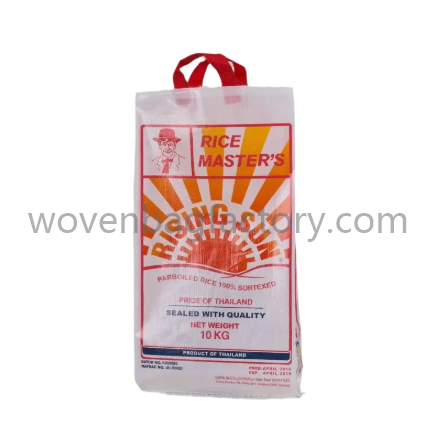
The woven packaging industry serves a broad range of businesses involved in agriculture, food distribution, construction, manufacturing, and international trade. As companies seek practical ways to package and transport bulk materials, a PP Woven Bag Business can serve different market segments through products designed for specific handling and storage requirements. Understanding product applications, customer expectations, manufacturing processes, and purchasing behavior is important for businesses planning to enter this sector or expand their existing packaging operations.
Polypropylene woven bags are manufactured using polypropylene resin processed into flat tapes and interlaced to create a flexible fabric. This material structure provides a useful combination of tensile strength, relatively low weight, and adaptability. Compared with some conventional packaging materials, woven polypropylene can be converted into bags with various dimensions, printing designs, and closure styles. These characteristics make it suitable for businesses supplying standardized packaging as well as customers requiring application-specific configurations.
Agriculture represents one of the most established markets for woven polypropylene packaging. Rice mills, flour processors, grain distributors, seed suppliers, and animal feed manufacturers require bags that can accommodate regular filling, stacking, storage, and transportation operations. Different agricultural commodities create different packaging requirements. Fine powders may require additional consideration of fabric construction and inner protection, while larger grains may place greater emphasis on seam strength and handling performance. Understanding the packaged product is therefore essential when developing a suitable product range.
Industrial customers provide another significant market segment. Construction companies, mineral processors, fertilizer distributors, and manufacturers of granular materials may use woven sacks for transporting their products. These customers often evaluate packaging according to durability, dimensional consistency, compatibility with filling equipment, and ease of warehouse handling. Businesses supplying industrial packaging should understand the characteristics of the materials being packed instead of offering one standard bag specification for every application.
Product diversity can help packaging businesses serve a wider customer base. Standard open-mouth sacks are commonly used for general dry goods, while different bottom constructions and closure arrangements can accommodate specific filling or storage procedures. Laminated fabric may be selected when additional surface protection or improved print presentation is required. Inner liners can also be considered for products with particular moisture or contamination concerns. The suitability of each configuration depends on actual operating conditions.
Manufacturing knowledge is valuable even for companies that primarily focus on wholesale distribution or international trading. Understanding extrusion, tape stretching, weaving, cutting, stitching, and printing allows commercial teams to communicate more accurately with production partners. It also helps them identify potential quality issues and explain technical differences between products. For example, fabric weight alone does not determine bag performance. Tape characteristics, weaving structure, seam construction, and dimensions must also be evaluated.
Market positioning is another important consideration. Some buyers prioritize competitive pricing and consistent availability, while others focus on printing quality, customized dimensions, or specific application requirements. Agricultural wholesalers may require large quantities of standardized sacks, whereas brand owners may request printed packaging that reflects their product identity. A clear understanding of customer priorities helps businesses organize their product categories and develop appropriate sourcing strategies.
In international trade, procurement decisions involve more than comparing unit prices. Importers and distributors should examine product specifications, minimum order quantities, packaging arrangements, production schedules, shipping costs, and communication efficiency. A detailed quotation should identify the relevant dimensions, material characteristics, printing requirements, and construction details. Comparing offers on the basis of equivalent specifications provides a more meaningful assessment of commercial value.
Developing customer relationships also requires reliable product information. Buyers may ask about fabric structure, available printing methods, bag capacities, packaging quantities, and possible customization. Sales teams should provide accurate answers and avoid making unsupported claims about performance, certifications, or product suitability. Where a customer requires specialized testing or regulatory compliance, the relevant requirements should be confirmed before an order is finalized.
A competitive PP Woven Bag Business should also pay attention to quality management and repeat-order consistency. Packaging buyers frequently purchase the same products over extended periods, especially when the bags are integrated into established filling and distribution systems. Maintaining approved samples, written specifications, and clear inspection procedures helps reduce variations between shipments. Timely communication about design changes or material availability can further improve purchasing coordination.
Logistics planning has a direct effect on profitability. Bag dimensions, folding methods, bale quantities, and container utilization influence transportation expenses and warehouse requirements. Businesses should understand how packaging configurations affect pallet loading and shipment volume. Planning these details during the quotation stage can help prevent avoidable costs after an order has been confirmed.
Digital marketing and product documentation can also support business development. Clear product pages, accurate descriptions, application photographs, and useful technical explanations help international buyers understand available packaging options. Content covering agricultural sacks, industrial packaging, printing choices, and material construction can address different search intentions while supporting customer inquiries. Providing consistent product information across websites, catalogs, and quotations also strengthens communication between sales teams and purchasing departments.
For companies developing their product portfolios, sourcing decisions should begin with a clear assessment of target industries and their packaging requirements. Reviewing established woven packaging options, including rice, flour, and agricultural packaging products, provides a practical starting point for understanding common market needs. Product details are available at https://www.wovenbagfactory.com/product/pp-woven-bag/pp-woven-bag-rice-flour-agricultural-packaging-bag.html for businesses evaluating suitable products for wholesale distribution and international procurement.
- Technology for Students
- Admissions & Applications
- Online Courses
- Career and Jobs
- Campus Life
- Drinks
- Film
- Fitness
- Food
- Juegos
- Gardening
- Health
- Home
- Literature
- Music
- Networking For Students
- Insights
- Party
- Religion
- Shopping
- Sports
- Theater
- Wellness
- Education News
- Business & Finance For Students
- Security, Law & Crime Education
- Insurance
- Science & Technology For Students
 Spanish
 English
 Arabic
 French
 Portuguese
 Deutsch
 Turkish
 Dutch
 Italiano
 Russian
 Romaian
 Portuguese (Brazil)
 Greek