


What Should a Wholesale Electric Motor Supplier Explain?
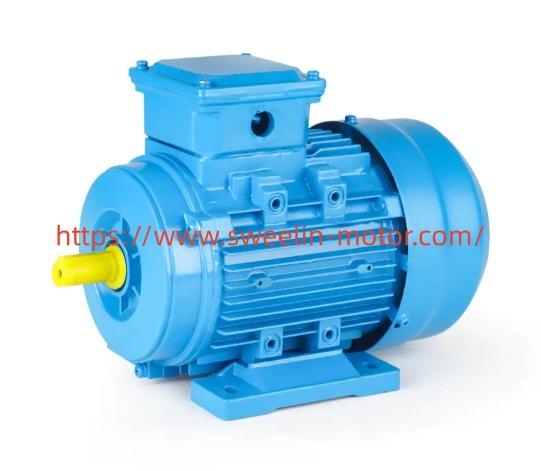
Wholesale Electric Motor Supplier selection deserves careful attention from importers, distributors, and equipment manufacturers. A purchasing decision affects more than the product itself. It also influences technical compatibility, order coordination, inventory planning, and communication between the buyer and manufacturer. Before confirming a purchase, buyers should understand how their requirements will be handled from the initial inquiry through production, inspection, and shipment.
Identify the Intended Application
Every purchasing project should begin with a clear understanding of the equipment's working conditions. Buyers who provide only a general product name may receive quotations for configurations that differ in important technical details.
A useful inquiry should explain where the unit will be installed, how the equipment operates, and which electrical and mechanical specifications are required. For example, ventilation systems, vacuum pumps, woodworking machinery, and hydraulic equipment may require different output characteristics and installation arrangements.
Prepare the following information before requesting a quotation:
Intended equipment and application
Required output power and operating speed
Voltage, frequency, and phase
Mounting method and installation dimensions
Shaft specifications and connection requirements
Expected operating environment
Estimated purchasing quantity
Drawings, photographs, and reference samples can help communicate details that are difficult to explain through text alone. Accurate information at this stage makes technical discussions more productive.
Review the Product Selection
Distributors often serve customers across several industries. Their purchasing plans may therefore include different configurations, dimensions, and performance requirements.
A wholesaler supplying machinery manufacturers may need several product options for different equipment categories. A business serving maintenance companies may focus on commonly requested specifications and replacement compatibility.
When reviewing a manufacturer's catalog, buyers should examine the available models, technical data, and application information. They should also ask whether related configurations can be included in one purchasing plan.
At sweelin-motor, buyers can communicate their intended applications and selection requirements before preparing an order list. This helps both parties clarify which models are appropriate for the target market.
Confirm Technical Details in Writing
A quotation should be based on confirmed product information rather than assumptions. Even small differences in voltage, mounting dimensions, shaft structure, or connection methods may affect installation.
Before approving an order, buyers should request a written specification sheet. The document can include product codes, rated parameters, dimensions, materials, and any agreed modifications.
For projects involving several configurations, a comparison sheet can make the review process easier. Purchasing teams can check each item against the original equipment requirements and identify missing information before production begins.
Buyers should also confirm how specification changes will be recorded. Updated drawings and written approval help prevent different departments from working with outdated information.
Understand Production Scheduling
Production arrangements deserve attention when buyers are planning bulk purchases or regular replenishment. Quantity, configuration, material preparation, and manufacturing capacity can all influence the expected completion date.
Ask for an estimated production schedule before confirming the purchase. If several models are included, clarify whether they will be manufactured together or in separate batches.
It is also useful to discuss how changes will be handled after confirmation. A distributor may need to adjust quantities because of changing customer demand. The manufacturer should review the request and explain whether it affects the agreed schedule.
A written timeline gives both parties a common reference. Buyers can use it to coordinate warehouse space, customer commitments, and transportation arrangements.
Discuss Inspection Requirements
Product acceptance should be discussed before production is completed. Buyers need to know which inspection items are included and how the results will be evaluated.
Depending on the configuration, inspection may involve appearance, dimensions, electrical parameters, operating condition, and packaging. If a project requires particular testing procedures or documentation, these details should be communicated before the order is placed.
Buyers can also ask how inspection results are recorded and whether relevant information can be provided before shipment. For repeat purchases, keeping the agreed requirements on file makes later order reviews more consistent.
Clear acceptance criteria help both parties understand what is expected and reduce the possibility of disagreements after delivery.
Examine Packaging and Shipping Arrangements
Transportation planning is another important part of overseas procurement. Products should be packed according to the expected shipping conditions and the buyer's distribution process.
Before dispatch, confirm:
Packaging material and quantity per carton
Product labels and identification marks
Carton dimensions and gross weight
Pallet arrangements, if required
Shipping documents and consignee details
Expected dispatch date
Importers should also consider how products will be unloaded, stored, and distributed after arrival. Clear carton identification can help warehouse staff distinguish between different models and organize inventory.
If the order includes several product types, buyers can request a packing list that shows the quantity and identification details of each item.
Evaluate Communication for Future Orders
The initial purchase is only one part of a commercial relationship. Distributors and equipment manufacturers may later need updated quotations, revised quantities, technical clarification, or additional configurations.
Before starting regular cooperation, discuss how order records will be retained and how product changes will be confirmed. Establishing a clear contact process for production updates, shipping documents, and after-sales questions can also make communication easier.
Buyers should consider whether the manufacturer understands their market requirements and can communicate clearly when questions arise. A consistent process helps purchasing teams plan inventory and prepare future orders with fewer uncertainties.
Prepare Your Next Purchasing Plan
A well-organized purchasing decision depends on accurate specifications, suitable product selection, clear production arrangements, inspection requirements, and shipment coordination. Buyers who review these details before placing an order can manage procurement with greater clarity. For distributors, importers, and equipment manufacturers seeking industrial products for different applications, sweelin-motor welcomes inquiries about available configurations and purchasing requirements. Visit https://www.sweelin-motor.com/ to review the product range and discuss your next project with the company.
- Technology for Students
- Admissions & Applications
- Online Courses
- Career and Jobs
- Campus Life
- Drinks
- Film
- Fitness
- Food
- Oyunlar
- Gardening
- Health
- Home
- Literature
- Music
- Networking For Students
- Insights
- Party
- Religion
- Shopping
- Sports
- Theater
- Wellness
- Education News
- Business & Finance For Students
- Security, Law & Crime Education
- Insurance
- Science & Technology For Students
 Turkish
 English
 Arabic
 French
 Spanish
 Portuguese
 Deutsch
 Dutch
 Italiano
 Russian
 Romaian
 Portuguese (Brazil)
 Greek