


Can Chendiao Metal Cutting Band Saw Machine Adapt to Different Materials
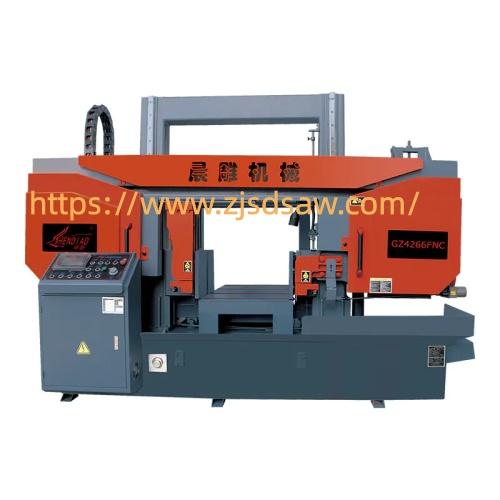
Metal processing involves more than selecting machinery that can handle raw materials. Manufacturers also need to consider workshop layouts, operating habits, material characteristics, maintenance routines, and production flexibility. A suitable Metal Cutting Band Saw Machine can become an important part of an organized manufacturing process, particularly for businesses that work with different metal profiles and changing customer requirements.
Every workshop has its own production characteristics. Some manufacturers regularly process steel bars, while others work with pipes, aluminum sections, or materials with different shapes and surface conditions. These differences influence equipment selection because workpiece positioning, feeding methods, and cutting arrangements need to match actual applications. Before purchasing industrial machinery, buyers should examine the types of materials they handle and understand how frequently different processing tasks occur.
Material compatibility deserves particular attention during the selection process. Different metals respond differently during machining, and their physical characteristics can influence cutting operations. For example, steel materials may require different working arrangements from aluminum profiles. The shape and surface condition of a workpiece can also affect how it is positioned and secured. Understanding these factors allows purchasing teams to communicate their requirements more clearly when discussing equipment with manufacturers.
Equipment structure is another consideration that deserves attention. A practical machine design should provide an appropriate working arrangement for material positioning, processing, and operator access. The supporting structure, clamping system, feeding arrangement, and functional layout all contribute to the working experience. When these elements are designed with actual workshop activities in mind, operators can organize their tasks more conveniently.
The development of industrial automation has also changed manufacturing expectations. Many businesses are looking for ways to organize repetitive production activities and reduce unnecessary manual handling. Programmable controls and automated feeding arrangements can help coordinate certain working procedures. Depending on the production environment, these functions may support a more organized workflow and make recurring operations easier to manage.
However, automation is not necessarily the right purchasing priority for every business. A workshop handling customized orders may need operational flexibility, while a production facility working with recurring materials may place greater emphasis on automated procedures. Buyers should consider their production patterns, staffing arrangements, and future business plans before deciding which functions are appropriate. Matching equipment capabilities with actual requirements can help avoid unnecessary purchasing decisions.
Operator convenience is equally important in daily manufacturing. Clear operating controls, accessible working areas, and practical material handling arrangements can influence how comfortably employees perform routine tasks. Training requirements should also be considered, particularly when a business introduces new equipment or updates its existing production process. A straightforward operating arrangement can help employees become familiar with equipment procedures and establish consistent working habits.
Maintenance planning should begin before machinery enters the workshop. Regular inspection of mechanical components, lubrication points, electrical systems, and protective devices helps businesses maintain an organized service routine. Buyers should pay attention to the accessibility of maintenance areas and the manufacturer's technical support arrangements. Availability of replacement components and clear maintenance guidance can also influence long-term equipment management.
Workshop space is another factor that can easily be overlooked. Industrial machinery needs to fit into an existing production environment without creating unnecessary obstacles for material movement or operator access. Businesses should consider the position of storage areas, worktables, material handling equipment, and other processing stations. An appropriate layout can make daily activities easier to coordinate and support a more orderly working environment.
Visual design and equipment organization also have practical value. A clearly arranged machine structure allows operators to identify functional areas and understand how different components work together. Protective covers, accessible control panels, and organized working sections contribute to the overall appearance and usability of industrial equipment. These details can influence purchasing decisions when businesses compare different manufacturing solutions.
Chendiao provides industrial sawing equipment for manufacturers with different processing requirements. Its product range covers various equipment categories, including horizontal sawing solutions, vertical sawing systems, and CNC intelligent machinery. These product options give buyers different configurations to consider according to their materials, workshop conditions, and production arrangements. Communication between manufacturers and buyers is also important when discussing customized requirements and application suitability.
Purchasing industrial machinery is a decision that involves both current production needs and future operational planning. Manufacturers should evaluate material compatibility, equipment structure, operator convenience, maintenance arrangements, and workshop organization before making their choice. By considering these practical factors together, businesses can develop a clearer purchasing strategy and identify equipment that fits their working environment. Companies interested in Chendiao industrial sawing solutions can visit https://www.zjsdsaw.com/product/ to review the available product range and discuss suitable equipment options for their manufacturing applications.
- Technology for Students
- Admissions & Applications
- Online Courses
- Career and Jobs
- Campus Life
- Drinks
- Film
- Fitness
- Food
- Oyunlar
- Gardening
- Health
- Home
- Literature
- Music
- Networking For Students
- Insights
- Party
- Religion
- Shopping
- Sports
- Theater
- Wellness
- Education News
- Business & Finance For Students
- Security, Law & Crime Education
- Insurance
- Science & Technology For Students
 Turkish
 English
 Arabic
 French
 Spanish
 Portuguese
 Deutsch
 Dutch
 Italiano
 Russian
 Romaian
 Portuguese (Brazil)
 Greek