


Revision Rhinoplasty Dubai: When Is the Right Time to Consider a Second Procedure?
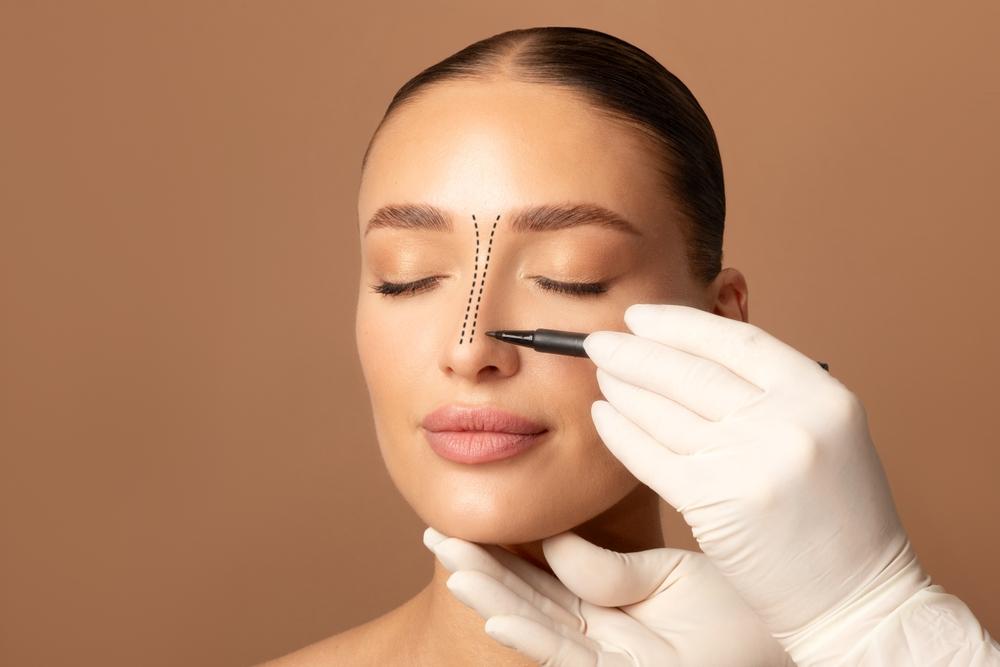
Rhinoplasty is a surgical procedure that can improve the appearance and, in some cases, the function of the nose. While many patients are satisfied with their initial results, others may notice changes they did not expect or experience concerns that remain after surgery. These concerns can include nasal asymmetry, breathing difficulties, an uneven nasal bridge, or a shape that does not complement their facial features. When the outcome of an initial nose surgery does not meet expectations, revision rhinoplasty may be worth considering.
However, deciding to undergo another nasal procedure requires careful thought. Unlike primary rhinoplasty, revision surgery involves working with tissues that have already undergone surgical changes. The nose needs sufficient time to heal, and the surgeon must evaluate its current structure before recommending further treatment.
For patients exploring Revision rhinoplasty dubai, understanding the appropriate timing, healing process, and reasons for a second procedure can help them make a more informed decision. Dr. Shahram Sajjadi focuses on evaluating individual nasal concerns and developing surgical plans that consider both facial proportions and nasal function.
What Is Revision Rhinoplasty?
Revision rhinoplasty is a secondary surgical procedure performed to address concerns following an earlier rhinoplasty. It may be considered when a patient is unhappy with the appearance of their nose, continues to experience functional difficulties, or develops structural changes after the first operation.
The procedure is different from primary rhinoplasty because the surgeon must consider the changes made during the previous surgery. Scar tissue, altered cartilage, reduced structural support, and changes in the nasal framework can influence the surgical approach.
Depending on the patient's needs, revision rhinoplasty may involve refining the nasal tip, improving bridge symmetry, restoring structural support, or addressing breathing-related concerns. Some procedures require relatively minor adjustments, while others involve more complex reconstruction.
The main objective is to create a balanced nasal appearance while preserving or improving nasal function. Achieving this requires an individualised assessment rather than applying the same surgical technique to every patient.
When Is the Right Time to Consider a Second Rhinoplasty?
One of the most important considerations before revision surgery is timing. Patients sometimes become concerned about their nasal appearance during the early recovery period and assume that the result will remain unchanged. However, the nose continues to heal and develop after the initial operation.
In most cases, surgeons recommend waiting approximately 12 months before considering revision rhinoplasty. Depending on the complexity of the original surgery, skin thickness, swelling, and healing response, some patients may need to wait longer.
Allowing Swelling to Subside
Swelling is a normal part of rhinoplasty recovery. Although significant swelling usually improves during the first few weeks and months, subtle swelling can remain around the nasal tip for a year or longer.
This is particularly noticeable in patients with thicker nasal skin, where fluid retention and tissue healing may take additional time. Operating before swelling has adequately resolved could lead to decisions based on an appearance that has not yet stabilised.
Waiting allows the surgeon to evaluate the nose more accurately and determine whether a visible concern is permanent or simply part of the healing process.
Giving Nasal Tissues Enough Time to Heal
After rhinoplasty, the skin, cartilage, and underlying tissues need time to recover. Scar tissue gradually develops as part of the healing process, while the nasal framework adjusts to the surgical changes.
Performing another procedure too early may make it difficult to distinguish between temporary healing changes and structural problems. Allowing adequate recovery time gives the tissues an opportunity to stabilise before further surgical intervention is considered.
Evaluating the Final Nasal Shape
The nose can look different at various stages of recovery. The bridge may appear more defined before the nasal tip settles, while minor asymmetries may become less noticeable as swelling decreases.
Patients should avoid making decisions based solely on early postoperative photographs. A comparison of progress photographs and clinical examinations over time can help establish whether the initial result has reached a stable stage.
Common Reasons Patients Consider Revision Rhinoplasty
There are several reasons why patients may explore a second nose surgery. Identifying the specific concern is an important part of determining whether revision is appropriate.
Persistent Nasal Asymmetry
Some patients notice that their nose remains uneven after the initial procedure. This may involve differences in nostril size, an off-centre nasal tip, or an irregular nasal bridge.
Minor asymmetry can sometimes become less noticeable as swelling decreases. However, when an imbalance remains after the healing period, revision rhinoplasty may help improve the overall appearance.
Unsatisfactory Nasal Tip Shape
The nasal tip is one of the most delicate areas to refine during rhinoplasty. Patients may feel that their tip looks too rounded, wide, drooping, or overly lifted following the first operation.
Revision surgery may involve adjusting the underlying cartilage and improving tip support to achieve a more balanced appearance. The appropriate approach depends on the remaining cartilage and the condition of the surrounding tissues.
Changes to the Nasal Bridge
An uneven bridge, visible irregularities, or an excessively reduced nasal profile can affect the overall appearance of the face. Some patients may also notice that their nasal bridge looks different from what they originally discussed with their surgeon.
A revision procedure can be planned to improve bridge definition and restore a more natural-looking profile where appropriate.
Persistent Breathing Difficulties
Rhinoplasty is not exclusively concerned with appearance. Some patients continue experiencing nasal obstruction after their initial procedure.
Structural issues involving the nasal septum or internal nasal valves may contribute to breathing difficulties. A specialist assessment can help identify whether the problem is related to the previous surgery and whether revision treatment may improve nasal airflow.
Why Revision Rhinoplasty Requires a Different Surgical Approach
Revision rhinoplasty is generally more technically demanding than primary rhinoplasty. During the first operation, the surgeon works with the patient's original nasal anatomy. During a second procedure, some of these structures may already have been reshaped, reduced, or repositioned.
Previous surgery can also leave internal scar tissue, which changes how the nasal tissues respond to further surgical adjustments.
Another important consideration is cartilage availability. Cartilage from the nasal septum may have been used during the initial procedure. If additional structural support is needed, the surgeon may consider cartilage from another suitable area, such as the ear or rib.
The surgical plan depends on the extent of the previous changes and the corrections required. Rather than focusing exclusively on reducing or reshaping the nose, revision surgery may involve rebuilding certain areas to improve support and proportion.
For this reason, careful planning and experience with complex nasal anatomy are particularly important when considering a second procedure.
What Happens During a Revision Rhinoplasty Consultation?
A detailed consultation helps determine whether revision rhinoplasty is appropriate and when it should be performed. Patients considering Revision rhinoplasty dubai should have an opportunity to discuss their previous surgical experience, current concerns, and expectations.
During an assessment, Dr. Shahram Sajjadi may consider several important factors.
Reviewing Previous Surgery
Understanding what was performed during the initial operation provides useful information about the current nasal structure. Previous medical records, surgical notes, and photographs can help establish which areas were changed.
If these records are unavailable, a physical examination can still provide valuable information about the present condition of the nose.
Examining Nasal Structure and Function
The consultation involves assessing the nasal bridge, tip, nostrils, skin thickness, and overall facial proportions. Internal examination may also be necessary when patients report breathing difficulties.
This evaluation helps identify whether the concerns are related to cartilage positioning, structural support, scar tissue, or other anatomical factors.
Discussing Individual Expectations
Every patient has different reasons for considering another operation. Some want a more refined nasal tip, while others are primarily concerned about breathing or facial symmetry.
Discussing these expectations helps establish realistic treatment goals. The surgeon can explain which changes may be achievable and whether a surgical procedure is likely to address the patient's concerns.
Developing an Individualised Surgical Plan
Once the examination is complete, the surgeon can discuss the recommended approach. This may involve minor refinement or more extensive reconstruction, depending on the complexity of the case.
A personalised plan should consider both the desired appearance and the functional requirements of the nose.
How Does Previous Surgery Affect the Revision Process?
The condition of the nasal tissues after the first procedure has a significant influence on revision planning.
Patients who have undergone multiple nasal operations may have less available cartilage and more internal scar tissue than those considering their first revision. This can make certain adjustments more challenging.
Skin thickness is another important factor. Patients with thicker skin may experience longer-lasting swelling and may require a more gradual approach to achieving nasal definition. Those with thinner skin may show minor irregularities more visibly.
The surgeon must also consider how much structural support remains. In some cases, cartilage grafting may be recommended to improve stability and maintain the intended nasal shape.
These considerations explain why revision rhinoplasty should not be approached as a simple repetition of the original operation.
Understanding Revision Rhinoplasty Cost in Dubai
The cost of a second nose surgery can vary considerably depending on the complexity of the procedure and the patient's individual requirements.
When researching Revision rhinoplasty Cost in dubai, patients should understand that revision procedures may require more detailed planning and surgical work than primary rhinoplasty.
Several factors can influence the overall cost:
- Complexity of correction: Minor refinements and extensive nasal reconstruction require different levels of surgical work.
- Cartilage requirements: Additional cartilage grafting may influence the treatment plan.
- Previous surgical history: The number and nature of earlier procedures can affect the complexity of treatment.
- Surgical technique: The selected approach depends on the nasal structure and the corrections required.
- Hospital and anaesthesia arrangements: These can also contribute to the overall treatment cost.
An individual consultation is the most appropriate way to understand the expected cost. Patients should discuss the treatment plan and what is included in the quoted fee before making a decision.
How Can Patients Prepare for Revision Rhinoplasty?
Preparation involves more than choosing a suitable date for surgery. Patients should first ensure that their nose has reached an appropriate stage of healing and that their expectations are realistic.
Keeping photographs from before and after the initial rhinoplasty can help communicate concerns during consultation. Previous medical records may also provide useful information about the original procedure.
Patients should discuss their general medical history, medications, previous nasal treatments, and any ongoing breathing concerns with their surgeon.
It is equally important to understand the recovery process. Revision surgery may involve a recovery period that varies according to the extent of correction. Patients should arrange sufficient time for rest, attend scheduled follow-up appointments, and follow their surgeon's postoperative instructions.
Taking these steps can help patients approach the procedure with greater confidence and a clearer understanding of the process.
Why Choose Dr. Shahram Sajjadi for Revision Rhinoplasty in Dubai?
Choosing a surgeon for revision rhinoplasty requires careful consideration because secondary procedures involve previously altered nasal structures.
Dr. Shahram Sajjadi approaches rhinoplasty with attention to individual facial proportions, nasal anatomy, and functional requirements. For revision patients, understanding the previous surgical changes is particularly important when developing an appropriate treatment strategy.
A detailed assessment helps identify the areas that may benefit from correction and establishes realistic expectations for the outcome.
Rather than pursuing unnecessary changes, the treatment approach should focus on achieving a balanced appearance while considering the nose's natural structure and breathing function.
Patients interested in revision surgery can arrange a consultation to discuss their previous procedure, current concerns, and suitable treatment options.
Conclusion
Deciding when to undergo a second nose surgery is an important decision that should be based on healing progress, nasal structure, and individual treatment goals. Although patients may notice unwanted changes during the early recovery period, most elective revision rhinoplasty procedures are considered after at least 12 months, allowing swelling to settle and tissues to mature.
Persistent asymmetry, an unsatisfactory nasal tip, bridge irregularities, and breathing difficulties may be reasons to explore further treatment. However, not every concern requires another operation, making professional assessment essential.
For patients considering Revision rhinoplasty dubai, Dr. Shahram Sajjadi offers an individualised approach that considers both nasal appearance and function. A comprehensive consultation can help determine whether revision surgery is appropriate and identify the most suitable time and treatment strategy.
Frequently Asked Questions
1. How long should I wait before undergoing revision rhinoplasty?
Most patients are advised to wait at least 12 months after their initial rhinoplasty before undergoing elective revision surgery. This allows swelling to decrease, tissues to heal, and the final nasal shape to become more apparent. Some patients may need additional time depending on their healing progress and previous surgical history.
2. Can revision rhinoplasty be performed after six months?
Although an initial assessment can take place after six months, a major elective revision is generally delayed until the nose has healed sufficiently, often at least 12 months. The appropriate timing depends on the nature of the concern and the surgeon's clinical assessment.
3. What problems can revision rhinoplasty correct?
Revision rhinoplasty may address persistent nasal asymmetry, an uneven bridge, an unsatisfactory nasal tip, structural concerns, and certain breathing difficulties. The specific improvements depend on the existing nasal anatomy and the condition of the tissues following previous surgery.
4. Is revision rhinoplasty more complicated than the first procedure?
Revision rhinoplasty can be more complex because the surgeon must work with previously operated tissues. Scar formation, changes to cartilage, and reduced structural support may influence the surgical approach. Careful assessment and individualised planning are therefore important.
5. Can revision rhinoplasty improve breathing?
Yes, revision rhinoplasty may improve breathing when structural problems from previous surgery contribute to nasal obstruction. These may include septal irregularities or narrowing of the internal nasal valves. A detailed examination is necessary to identify the underlying cause.
6. Will I need cartilage grafting during revision rhinoplasty?
Not every patient requires cartilage grafting. However, when additional structural support or reconstruction is needed, the surgeon may recommend cartilage from the nasal septum, ear, or rib. The decision depends on the amount of cartilage available and the corrections required.
7. How much does revision rhinoplasty cost in Dubai?
The cost varies depending on the complexity of the procedure, the surgeon's treatment approach, cartilage requirements, and hospital arrangements. Patients interested in Revision rhinoplasty Cost in dubai should arrange a consultation to receive an estimate based on their individual nasal structure and surgical requirements.
8. Can I consult a different surgeon for revision rhinoplasty?
Yes. Patients can seek an independent specialist opinion if they are unhappy with their initial surgical outcome. Bringing previous surgical records and photographs can help the new surgeon understand the original procedure and evaluate possible treatment options.
9. Does revision rhinoplasty provide permanent results?
Revision rhinoplasty aims to create lasting structural and aesthetic improvements. However, the final outcome depends on individual healing, tissue characteristics, and the complexity of the procedure. Natural ageing and changes in the tissues can also influence nasal appearance over time.
10. When should I book a revision rhinoplasty consultation?
You can arrange an initial consultation even while your nose is still healing. This allows the surgeon to review your concerns and monitor your progress. However, the timing of a second operation should be determined after evaluating tissue healing and whether the nasal structure has stabilised.
- Technology for Students
- Admissions & Applications
- Online Courses
- Career and Jobs
- Campus Life
- Drinks
- Film
- Fitness
- Food
- Игры
- Gardening
- Health
- Главная
- Literature
- Music
- Networking For Students
- Insights
- Party
- Religion
- Shopping
- Sports
- Theater
- Wellness
- Education News
- Business & Finance For Students
- Security, Law & Crime Education
- Insurance
- Science & Technology For Students
 Russian
 English
 Arabic
 French
 Spanish
 Portuguese
 Deutsch
 Turkish
 Dutch
 Italiano
 Romaian
 Portuguese (Brazil)
 Greek