


How Nuclear Fleets Are Reshaping Maritime Defense
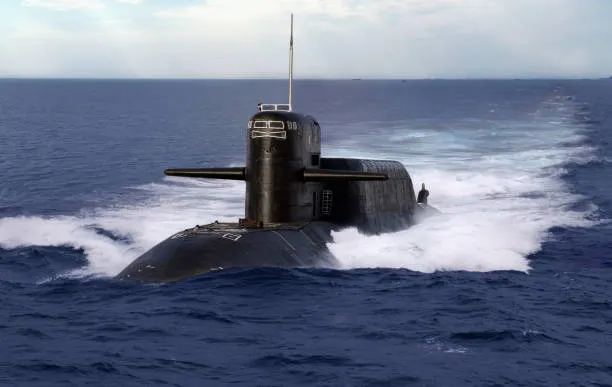
Naval forces worldwide are adapting to an increasingly complex security environment where endurance, operational flexibility, and technological superiority have become essential. As maritime threats evolve and strategic competition expands across global waters, defense organizations are investing in platforms capable of supporting long-duration missions without compromising operational readiness. Modern naval modernization programs increasingly prioritize advanced propulsion systems that strengthen mission capabilities while reducing logistical constraints.
The Nuclear Powered Naval Vessels Market reflects this transformation as governments emphasize next-generation maritime capabilities to address evolving defense priorities. Growing investment in advanced naval propulsion technologies highlights the increasing importance of vessels designed for extended deployments, enhanced strategic deterrence, and greater operational independence. This shift also supports modernization initiatives focused on strengthening national security and maritime resilience.
The Strategic Importance of Nuclear Propulsion
Nuclear propulsion offers significant operational advantages compared to conventional propulsion systems. Unlike traditional vessels that require frequent refueling, nuclear-powered platforms can remain deployed for extended periods while maintaining consistent performance. This capability allows naval forces to conduct prolonged surveillance, strategic patrols, and rapid-response missions across distant maritime regions without extensive logistical support.
Military planners increasingly recognize that sustained maritime presence contributes to deterrence, regional stability, and protection of critical trade routes. As geopolitical dynamics continue to evolve, long-endurance vessels provide greater operational flexibility for missions ranging from defense preparedness to humanitarian assistance and disaster response. Industry assessments published by organizations such as the International Institute for Strategic Studies highlight the growing strategic importance of advanced naval capabilities in maintaining maritime security.
Modernization Programs Driving Industry Development
Several nations are undertaking long-term naval modernization initiatives aimed at replacing aging fleets with technologically advanced vessels. These programs often include investments in propulsion technologies, integrated combat systems, digital navigation platforms, and enhanced onboard automation. Rather than focusing solely on expanding fleet size, many governments are prioritizing improvements in efficiency, survivability, and mission versatility.
Modern vessel development increasingly incorporates digital engineering practices that improve manufacturing precision while reducing production complexity. Advanced simulation tools, predictive maintenance technologies, and intelligent monitoring systems enable naval operators to optimize operational performance throughout the vessel lifecycle. According to the International Atomic Energy Agency, nuclear technology continues to support multiple peaceful and industrial applications while contributing to advances in reactor engineering and safety research.
Innovation Beyond Propulsion Systems
Technological progress within naval programs extends far beyond propulsion. Artificial intelligence, autonomous operational support, advanced sensors, secure communication networks, and integrated command systems are becoming essential components of modern maritime platforms. These technologies improve situational awareness, facilitate real-time decision-making, and strengthen coordination across complex naval operations.
Manufacturers are also investing in digital twins and predictive analytics to improve maintenance planning and reduce unexpected equipment downtime. These innovations help optimize lifecycle management while supporting greater operational availability. As digital technologies mature, they are expected to become increasingly integrated across vessel design, fleet management, and mission planning activities.
Supply Chain and Industrial Collaboration
The development of sophisticated naval platforms requires collaboration among shipbuilders, engineering firms, technology providers, material manufacturers, and specialized defense contractors. Complex procurement processes encourage long-term industrial partnerships that promote innovation, workforce development, and knowledge sharing throughout the defense manufacturing ecosystem.
Supply chain resilience has become an increasingly important consideration as governments seek to strengthen domestic manufacturing capabilities while reducing dependence on external suppliers for critical technologies. Investments in advanced production facilities, skilled labor development, and localized component manufacturing are helping improve long-term industrial preparedness. These initiatives also contribute to broader economic development through research partnerships and high-value engineering employment.
Environmental and Operational Considerations
Although nuclear-powered vessels are primarily designed for defense missions, environmental stewardship and operational safety remain important considerations throughout their development and deployment. Modern engineering practices emphasize stringent safety standards, continuous monitoring systems, and comprehensive regulatory oversight to support reliable operations over extended service lives.
Research institutions and international organizations continue to contribute to improvements in reactor safety, waste management practices, and operational protocols. Ongoing technological advancements are helping strengthen confidence in the long-term reliability of nuclear propulsion systems while supporting responsible lifecycle management.
Future Outlook for Advanced Maritime Capabilities
The future of naval modernization is expected to be shaped by continuous innovation across propulsion, digital technologies, autonomous systems, and advanced manufacturing. Governments are likely to maintain long-term investments that enhance operational readiness while adapting to evolving maritime security challenges. Collaborative research initiatives and technological partnerships will continue to influence the development of next-generation naval platforms capable of supporting increasingly complex missions.
As maritime operations become more interconnected and technologically sophisticated, the emphasis will remain on improving endurance, efficiency, and strategic flexibility. The continued evolution of advanced naval technologies reflects broader efforts to strengthen national defense capabilities while supporting secure and resilient maritime operations in an increasingly dynamic global environment.
- Technology for Students
- Admissions & Applications
- Online Courses
- Career and Jobs
- Campus Life
- Drinks
- Film
- Fitness
- Food
- Giochi
- Gardening
- Health
- Home
- Literature
- Music
- Networking For Students
- Insights
- Party
- Religion
- Shopping
- Sports
- Theater
- Wellness
- Education News
- Business & Finance For Students
- Security, Law & Crime Education
- Insurance
- Science & Technology For Students
 Italiano
 English
 Arabic
 French
 Spanish
 Portuguese
 Deutsch
 Turkish
 Dutch
 Russian
 Romaian
 Portuguese (Brazil)
 Greek