


What Is Breast Reduction and How Does It Work?
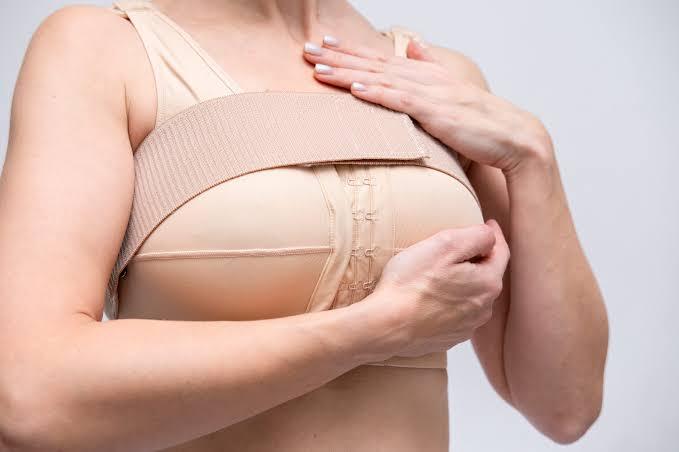
Breast size can influence more than physical appearance; it can also affect comfort, posture, clothing choices, and everyday activities. Some individuals experience persistent back, neck, and shoulder discomfort because of excessively large breasts, making routine movements challenging. Breast Reduction in Dubai is a surgical procedure designed to remove excess breast tissue, fat, and skin to create smaller, lighter, and more proportionate breasts. The treatment focuses on improving physical comfort while maintaining a natural-looking breast shape. Understanding how the procedure works, who may benefit from it, and what the process involves can help individuals make informed decisions about their body goals.
What Is Breast Reduction?
Breast reduction, medically known as reduction mammoplasty, is a surgical procedure that decreases breast volume by removing excess tissue, fat, and stretched skin. The remaining breast tissue is reshaped to achieve a balanced appearance that complements the individual's body proportions.
The procedure is generally considered by individuals who experience physical discomfort or lifestyle limitations associated with disproportionately large breasts. Excessive breast weight can place continuous pressure on the shoulders, neck, and upper back, potentially affecting posture and physical activity.
Unlike procedures that focus primarily on increasing breast volume, this treatment aims to reduce weight and improve breast proportions. It can also address stretched skin, downward-pointing nipples, and an uneven breast appearance.
How Does Breast Reduction Work?
The procedure involves several carefully planned surgical steps to remove excess breast volume and reshape the remaining tissue. The exact technique depends on breast size, skin elasticity, anatomy, and the desired outcome.
Initial Assessment and Surgical Planning
The process begins with an assessment of breast size, shape, skin quality, and overall proportions. The individual's concerns, expectations, and medical history are considered when developing a suitable surgical plan.
Measurements are taken to determine how much tissue may need to be removed and how the breasts can be reshaped. The position of the nipples and areolas is also evaluated to support a balanced and natural-looking result.
Anaesthesia and Incision Placement
Breast reduction is generally performed under general anaesthesia to ensure comfort throughout the procedure. Once anaesthesia takes effect, carefully planned incisions are made to provide access to the underlying breast tissue.
The incision pattern depends on the amount of reduction required and the individual's anatomy. Common approaches include:
-
Donut incision: A circular incision around the areola, generally used for selected cases requiring a limited reduction.
-
Vertical incision: An incision around the areola extending vertically towards the breast crease, often suitable for moderate reductions.
-
Anchor incision: An incision around the areola, vertically down the breast, and along the natural breast crease, commonly used when more extensive reshaping is required.
Removing Excess Breast Tissue
After making the planned incisions, excess breast tissue, fat, and skin are carefully removed. The amount of tissue removed depends on the individual's anatomy and the intended reduction.
This step helps decrease breast weight and volume, potentially reducing the physical strain associated with excessively large breasts.
Reshaping and Repositioning
Once the required tissue has been removed, the remaining breast tissue is reshaped to create a more proportionate contour. The nipple and areola may also be repositioned to a more suitable location while maintaining their connection to the underlying blood supply.
The incisions are then closed using surgical sutures, allowing the breasts to take on their new shape.
Who Can Benefit from Breast Reduction?
Individuals experiencing physical or practical difficulties because of large breasts may consider this procedure. However, suitability depends on personal circumstances and an appropriate medical assessment.
Some common reasons people explore breast reduction include:
Persistent Back, Neck, and Shoulder Discomfort
Excess breast weight can contribute to discomfort in the upper body. The additional weight may place pressure on the shoulders and surrounding muscles, making prolonged standing, walking, or sitting uncomfortable.
Difficulty During Physical Activities
Large breasts can make certain exercises and sports more challenging. Activities such as running, jumping, and strength training may become uncomfortable because of excessive movement and weight.
Shoulder Grooves from Bra Straps
Heavy breasts can cause bra straps to place continuous pressure on the shoulders. This may result in visible indentations, irritation, and discomfort.
Skin Irritation Beneath the Breasts
Skin folds beneath larger breasts can trap moisture and create friction. This may contribute to irritation, redness, and recurring discomfort.
Difficulty Finding Comfortable Clothing
Some individuals find it challenging to find clothing and supportive garments that fit comfortably because of disproportionate breast volume.
What Are the Main Benefits of Breast Reduction?
The procedure offers several potential physical and aesthetic benefits, depending on individual circumstances and surgical outcomes.
Improved Physical Comfort
Reducing breast weight may help relieve discomfort associated with excessive breast volume. Some individuals experience improvements in neck, shoulder, and back symptoms following surgery.
Better Body Proportions
Reshaping the breasts can create a more balanced silhouette. The smaller breast size may complement the individual's natural body frame and improve overall proportions.
Greater Freedom During Exercise
Smaller, lighter breasts may make physical activities more comfortable. Individuals may find it easier to participate in exercise routines and recreational activities.
Improved Clothing Fit
A reduction in breast volume can make it easier to find appropriately fitting clothing, bras, and other garments.
Enhanced Confidence
Feeling more comfortable with breast proportions may positively influence body confidence and everyday experiences.
What Is Recovery Like After Breast Reduction?
Recovery is an important part of the surgical journey. Although the healing process varies, individuals generally require several weeks to resume their usual activities comfortably.
The Initial Recovery Period
Swelling, bruising, tenderness, and temporary changes in sensation are common during the early healing stages. Surgical dressings and supportive garments may be recommended to protect the treated area and provide appropriate support.
Rest and following postoperative instructions are essential during this period.
Returning to Everyday Activities
Light activities may gradually resume as healing progresses. However, strenuous exercise, heavy lifting, and movements that place pressure on the chest should be avoided until medical clearance is provided.
Long-Term Healing
Swelling gradually decreases, and the breast shape becomes more defined over time. Scars may initially appear noticeable but generally soften and fade as the healing process continues.
Regular follow-up appointments help monitor recovery and identify any concerns that require attention.
Are There Any Risks Associated with Breast Reduction?
Like other surgical procedures, breast reduction involves potential risks that should be understood before making a decision.
Possible complications include infection, bleeding, scarring, delayed wound healing, changes in nipple sensation, and differences in breast symmetry. Some individuals may also experience difficulties with breastfeeding, depending on the surgical technique and the amount of tissue removed.
Although uncommon, complications involving nipple or breast tissue blood supply may also occur.
A detailed consultation helps individuals understand these considerations, discuss their expectations, and determine whether the procedure is appropriate for their circumstances.
How to Prepare for Breast Reduction Surgery
Proper preparation can help individuals approach surgery with realistic expectations and a clearer understanding of the process.
Important preparation considerations include:
-
Discussing medical history, existing health concerns, and medications during the consultation.
-
Completing any recommended medical examinations or investigations.
-
Following instructions regarding smoking and medications that may affect healing.
-
Arranging transportation and assistance during the initial recovery period.
-
Preparing comfortable clothing and any recommended postoperative garments.
-
Understanding the expected healing timeline and potential surgical outcomes.
Following professional medical guidance before and after surgery supports a more organized treatment experience.
Book Us
Choosing an appropriate treatment approach begins with understanding individual needs, physical concerns, and desired outcomes. Enfield Royal Clinic Dubai provides a professional setting where individuals can explore suitable aesthetic treatment options through personalized consultations and treatment planning. Those considering breast reduction can discuss their expectations, understand the surgical process, and receive guidance about the procedure and recovery. Exploring Mammoplasty with an informed approach can be an important step towards improved physical comfort and more balanced body proportions.
- Technology for Students
- Admissions & Applications
- Online Courses
- Career and Jobs
- Campus Life
- Drinks
- Film
- Fitness
- Food
- Spellen
- Gardening
- Health
- Home
- Literature
- Music
- Networking For Students
- Insights
- Party
- Religion
- Shopping
- Sports
- Theater
- Wellness
- Education News
- Business & Finance For Students
- Security, Law & Crime Education
- Insurance
- Science & Technology For Students
 Dutch
 English
 Arabic
 French
 Spanish
 Portuguese
 Deutsch
 Turkish
 Italiano
 Russian
 Romaian
 Portuguese (Brazil)
 Greek