


Versatile Eyewear Designs for Everyday Applications
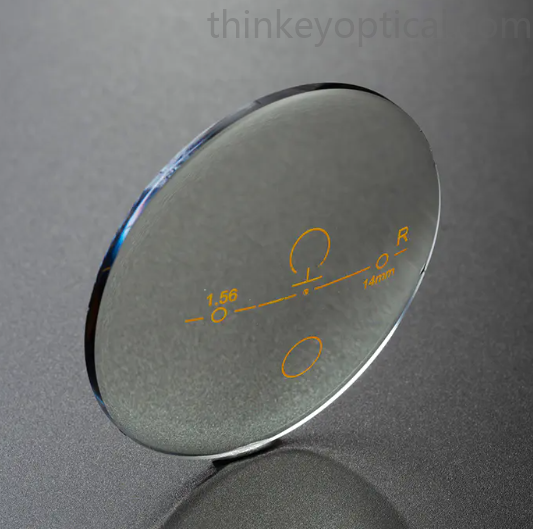
As eyewear technology continues to develop, optical products increasingly combine different features to address changing consumer preferences. For businesses serving the international optical market, Blue Light Blocking Photochromic products offer an opportunity to explore lenses that integrate selected blue-light filtering characteristics with light-responsive functionality. These technologies serve different purposes within an optical design, and understanding how they work together helps wholesalers, distributors, and eyewear brands make more informed sourcing decisions.
Photochromic lenses are designed to change their appearance in response to suitable light conditions, particularly exposure to ultraviolet radiation. Depending on the material formulation and product construction, the lenses become darker outdoors and gradually return toward a clearer appearance when the activating conditions decrease. This technology offers convenience for users who move between different lighting environments. The actual transition speed, darkness level, color options, and activation characteristics vary between products, so buyers should confirm the relevant specifications with the manufacturer.
Blue-light filtering technology focuses on selected portions of the visible light spectrum. Certain lens materials and coatings are designed to filter specific blue-violet wavelengths, making this feature relevant to eyewear collections positioned for digital-device users and customers interested in functional lens options. The filtering characteristics depend on the product's material and coating design. Buyers should request information about the wavelength range and transmission characteristics instead of relying on broad claims. Product descriptions should remain accurate and should not suggest that such lenses prevent eye diseases or guarantee protection against all screen-related discomfort.
The combination of photochromic functionality and blue-light filtering requires careful consideration during manufacturing and product selection. Different lens technologies may use specific materials, chemical formulations, and surface treatments. Their compatibility should be verified before a product configuration is finalized. For example, buyers may need to confirm whether a particular photochromic lens is available with the requested filtering feature, whether additional coatings can be applied, and how the combination affects lens appearance. These details are important for maintaining consistent product quality across a wholesale collection.
Material selection is another essential consideration. Conventional plastic lens materials are widely used in prescription eyewear, while polycarbonate and high-index materials offer alternative characteristics for different product requirements. Weight, thickness, optical design, impact resistance, and frame compatibility should all be considered when selecting a material. Buyers serving multiple customer groups may benefit from discussing several material options with their manufacturing partner. This allows product configurations to be matched with different prescription requirements and commercial positioning.
Coating technology can further influence the final product. Anti-reflective coatings are commonly considered for managing surface reflections, while scratch-resistant treatments help maintain the condition of lens surfaces during normal handling and use. Depending on product availability, water-repellent and easy-clean treatments may also be considered. However, not every coating is compatible with every lens design or treatment combination. Manufacturers should provide clear information about available options, recommended care practices, and relevant product specifications.
For wholesale distributors, these products can be included in collections targeting different retail environments. Traditional optical stores may offer them alongside prescription lenses and other functional eyewear categories. Online eyewear retailers may develop dedicated collections for customers interested in light-adaptive technology and digital lifestyle products. Private-label brands can also explore different combinations of lens colors, frame materials, packaging designs, and branding elements. The final product range should reflect actual customer demand rather than relying only on the popularity of individual technology terms.
Frame design plays an important role in product development. The selected lens must be compatible with the frame's dimensions, construction, and edging requirements. Metal frames, plastic frames, and flexible TR90 designs provide different styling and construction possibilities. Buyers should consider lens shape, frame size, fitting requirements, and the intended retail market when developing a collection. A coordinated approach to frame and lens selection can make product presentation more consistent and simplify purchasing decisions.
When evaluating Blue Light Blocking Photochromic products, business buyers should request samples and technical information before placing larger orders. Important evaluation points include lens clarity, color consistency, transition behavior, surface appearance, coating quality, and available optical specifications. For combined-function products, buyers should also clarify how the filtering feature is measured and which testing information is available. Sample testing under consistent conditions can help distributors compare alternative configurations more objectively.
Customization and supply arrangements should be discussed at an early stage. Eyewear brands may require specific lens configurations, frame combinations, logos, packaging, and labeling. Distributors may prioritize product availability, consistent specifications, order flexibility, and communication efficiency. Manufacturers should clarify which customization options are supported, what purchasing conditions apply, and how production and inspection arrangements are managed. Establishing these details before order confirmation can reduce misunderstandings and improve cooperation.
Long-term sourcing relationships can help optical businesses respond to evolving product demand. As retailers collect customer feedback and identify new market opportunities, they may need to adjust lens configurations, introduce additional frame styles, or expand into other optical categories. A manufacturing partner familiar with the buyer's requirements can support more efficient discussions about product development and future purchasing plans.
The continued development of functional eyewear creates opportunities for optical brands seeking differentiated collections. However, successful sourcing depends on understanding the technology, verifying product compatibility, evaluating samples, and communicating specifications clearly. Thinkey Optical Co.,Ltd. supports international B2B customers looking for optical lenses and related eyewear solutions. Businesses interested in exploring available lens options, discussing private-label requirements, or establishing a supply partnership can visit https://www.thinkeyoptical.com for further information.
- Technology for Students
- Admissions & Applications
- Online Courses
- Career and Jobs
- Campus Life
- Drinks
- Film
- Fitness
- Food
- Oyunlar
- Gardening
- Health
- Home
- Literature
- Music
- Networking For Students
- Insights
- Party
- Religion
- Shopping
- Sports
- Theater
- Wellness
- Education News
- Business & Finance For Students
- Security, Law & Crime Education
- Insurance
- Science & Technology For Students
 Turkish
 English
 Arabic
 French
 Spanish
 Portuguese
 Deutsch
 Dutch
 Italiano
 Russian
 Romaian
 Portuguese (Brazil)
 Greek