


Frosted Window Film: Balancing Privacy and Natural Light in Modern Spaces
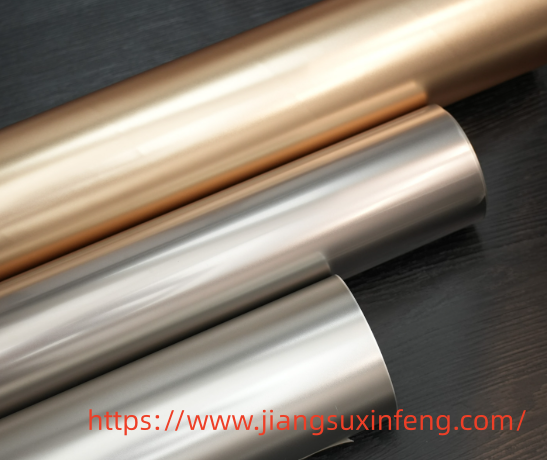
Glass is widely used in contemporary architecture because it creates a sense of openness and allows natural light to move between different areas. However, transparent surfaces do not always provide the privacy required in homes, offices, and commercial buildings. In these situations, Frosted Window Film offers a practical decorative solution by changing the visual appearance of glass while allowing daylight to enter the space. Its value lies in the balance between privacy, light distribution, surface design, and compatibility with different glass applications.
Decorative window films can be manufactured using flexible polymer materials, including PVC-based films. The material provides a foundation for creating different surface effects and levels of visual opacity. Through specialized surface treatments, manufacturers can produce finishes that resemble etched or frosted glass without requiring the glass itself to undergo permanent modification. Depending on the product design, the film may have a uniform appearance, a subtle texture, or decorative patterns that create additional visual interest.
Material selection should begin with the type of glass and the intended installation environment. Interior partitions, bathroom windows, office meeting rooms, and storefront glass may have different requirements. Buyers should consider whether the film will be applied to a flat, smooth surface and whether the glass is exposed to moisture, frequent cleaning, or direct sunlight. They should also confirm that the selected film is suitable for the specific glass application. Clear communication with the supplier can help prevent compatibility problems during installation.
Privacy requirements are another important purchasing consideration. Some spaces need broad visual screening, while others benefit from partial coverage that preserves a sense of openness. A full frosted appearance can create a more private environment, whereas patterned or selectively applied films can separate visual areas without completely covering the glass. Buyers should consider the position of the window, the activities taking place behind it, and the direction from which privacy is needed before choosing a design.
Light transmission and visual comfort also influence product selection. A frosted surface diffuses incoming light, helping reduce the direct visibility associated with clear glass. The resulting effect depends on the film's surface structure, opacity, and surrounding lighting conditions. Buyers should review samples in an environment similar to the intended installation because the appearance may change between bright daylight and indoor lighting. This helps establish whether the film provides the desired balance between privacy and brightness.
Manufacturing technology contributes to the film's appearance and application performance. Material preparation establishes the base film, while surface treatment creates the frosted visual effect. Printing or other decorative processes can introduce patterns, lines, gradients, and customized visual elements. During production, attention to coating consistency, surface cleanliness, and material stability helps maintain a uniform finish. These factors are important when films are installed across connected glass panels, where visible differences may affect the overall appearance.
Installation quality is closely related to the condition of the glass. Before application, the surface should be cleaned thoroughly to remove dust, fingerprints, grease, and other contaminants. Even small particles can become visible beneath a film and interfere with the finished appearance. Installers should follow the manufacturer's recommended application method, paying attention to alignment and the removal of trapped air or excess moisture where applicable. Careful preparation helps produce a cleaner and more consistent result.
The user experience of frosted window coverings extends beyond privacy. In offices, they can help create visual separation for meeting rooms and shared work areas without making the environment feel completely enclosed. In residential interiors, they can provide privacy for bathrooms, entryways, and windows facing neighboring buildings. Retail businesses may use decorative films to create distinct zones, improve storefront presentation, or display patterns that complement their interior identity.
Maintenance is another practical consideration. Window films may encounter dust, fingerprints, water marks, and repeated cleaning. Buyers should check the recommended cleaning methods and avoid assuming that every surface treatment can tolerate the same cleaning products or tools. Gentle care and appropriate cleaning materials can help preserve the appearance of the film. The expected maintenance routine should be considered before choosing a product for frequently used spaces.
Design flexibility gives decorative window films a role beyond simple privacy protection. Plain frosted finishes suit spaces that require a clean and understated appearance. Geometric patterns can complement contemporary office interiors, while organic shapes may create a softer decorative effect in residential settings. Gradient designs can provide a transition between transparent and private areas. Businesses may also consider customized patterns that coordinate with their interior decoration or visual identity.
Jiangsu Xinfeng Star Film Materials Co., Ltd. specializes in PVC calendered films and related decorative film products, including self-adhesive films, thermofoil decorative films, and release liners. Its experience in PVC film manufacturing provides a relevant product background for buyers exploring decorative surface materials. When discussing window film requirements, customers can explain their intended glass application, preferred visual effect, privacy needs, and installation conditions to help evaluate suitable options.
For architects, interior designers, distributors, and renovation professionals, selecting a window film involves considering privacy expectations, daylight, glass compatibility, surface appearance, installation conditions, and maintenance requirements together. These factors influence how effectively a decorative film fits into a particular space and its everyday use. To explore PVC film products and related decorative material solutions from Jiangsu Xinfeng Star Film Materials Co., Ltd., visit https://www.jiangsuxinfeng.com/
- Technology for Students
- Admissions & Applications
- Online Courses
- Career and Jobs
- Campus Life
- Drinks
- Film
- Fitness
- Food
- Spellen
- Gardening
- Health
- Home
- Literature
- Music
- Networking For Students
- Insights
- Party
- Religion
- Shopping
- Sports
- Theater
- Wellness
- Education News
- Business & Finance For Students
- Security, Law & Crime Education
- Insurance
- Science & Technology For Students
 Dutch
 English
 Arabic
 French
 Spanish
 Portuguese
 Deutsch
 Turkish
 Italiano
 Russian
 Romaian
 Portuguese (Brazil)
 Greek