


Best Aesthetic Clinic in Dubai Discusses Sculptra for Facial Fat Loss
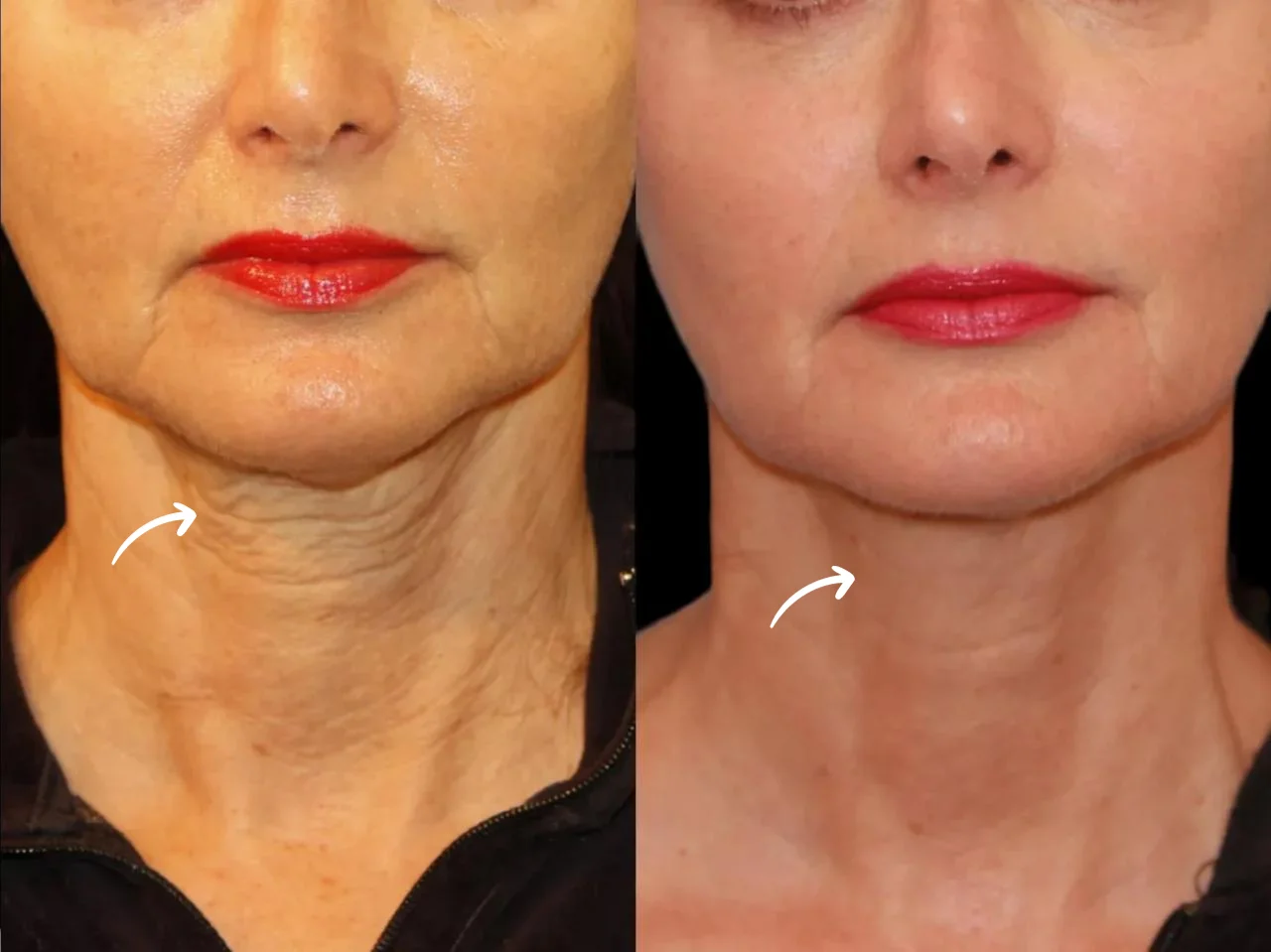
Facial fat loss can gradually change the appearance of the face, making the cheeks look flatter, the temples appear hollow, and natural facial contours less defined. These changes may occur due to aging, significant weight fluctuations, genetics, or other factors that influence facial volume. Although facial volume changes are a natural part of aging, they can make the face appear tired, less youthful, or different from its original appearance.
Modern aesthetic treatments offer several approaches to addressing these concerns. One option is Sculptra, an injectable collagen stimulator designed to encourage the body's natural collagen production. Unlike conventional fillers that primarily provide immediate volume, this treatment works gradually to improve skin structure and support selected areas affected by volume changes.
Understanding how Sculptra works, which facial areas may benefit, and what results to expect can help individuals make informed decisions. A professional assessment is essential because facial fat loss affects everyone differently, and the most appropriate treatment depends on individual anatomy, skin quality, and aesthetic goals.
Understanding Facial Fat Loss and Its Effects
Facial fat plays an important role in maintaining natural fullness, supporting the skin, and creating balanced facial proportions. Different fat compartments contribute to the appearance of the cheeks, temples, under-eye region, and jawline. As these compartments change over time, the face may gradually lose some of its natural fullness.
Facial volume loss can develop slowly or become more noticeable following significant weight changes. In some individuals, the cheeks become flatter, while others experience hollow temples or more prominent facial folds.
Common Causes of Facial Volume Loss
Several factors can contribute to changes in facial fullness.
Natural aging is one of the most common reasons. As people age, facial fat distribution, collagen production, and skin elasticity change. These processes can contribute to reduced volume and less defined facial contours.
Significant weight loss can also affect facial fullness. When the body loses fat, some individuals notice that their cheeks and temples become less prominent. Genetic factors may influence how facial volume is distributed, while environmental factors such as prolonged sun exposure and smoking can contribute to visible skin aging.
Reduced collagen production can make these changes more noticeable because collagen helps maintain the skin's structural support and firmness.
Facial Areas Commonly Affected
The cheeks are among the first areas where volume changes may become noticeable. Reduced fullness can create a flatter midface appearance and affect the natural transition between the lower eyelids and cheeks.
The temples may also become hollow, changing the appearance of the upper face. Around the mouth, volume changes can make certain folds more prominent, while changes beneath the eyes may contribute to a tired appearance.
Understanding which structures contribute to these changes is important because facial volume loss, skin laxity, and muscle-related lines are different concerns that may require different treatment approaches.
How the Best Aesthetic Clinic in Dubai Evaluates Sculptra for Facial Fat Loss
Choosing an appropriate treatment requires more than identifying an area that appears hollow. The Best Aesthetic Clinic in Dubai evaluates facial anatomy, the extent of volume loss, skin quality, and individual aesthetic goals before recommending a suitable approach. This assessment helps determine whether collagen stimulation may provide meaningful improvement or whether another treatment would be more appropriate.
Understanding the Role of Collagen in Facial Structure
Collagen is a structural protein that helps maintain skin firmness, elasticity, and support. Its natural production changes with age, contributing to visible signs of aging and reduced skin quality.
Sculptra contains poly-L-lactic acid (PLLA), a synthetic biocompatible material that stimulates collagen production through a controlled tissue response. As the body gradually processes the particles, collagen develops over time and may improve the appearance of selected areas.
It is important to understand that collagen stimulation does not directly replace lost facial fat. Instead, it may help improve skin structure and provide gradual support in appropriately selected treatment areas.
Why Individual Facial Assessment Matters
Not every hollow area has the same underlying cause. For example, reduced cheek fullness may be associated with fat loss, while another individual may have prominent hollows due to natural facial anatomy or changes in skin support.
A professional assessment considers the location and extent of volume changes, facial proportions, skin thickness, previous aesthetic procedures, medical history, and expected results.
This approach helps establish realistic treatment goals while reducing the risk of recommending a procedure that does not address the actual concern.
Sculptra Injection in Dubai: How the Treatment Supports Facial Volume
A Sculptra Injection in Dubai is a collagen-stimulating injectable treatment that uses PLLA to encourage the body's natural collagen production. Rather than functioning like a conventional filler that primarily adds immediate volume, it supports gradual improvements in skin structure and selected volume-related concerns.
During treatment, a qualified medical professional administers the product into appropriate tissue planes using a technique based on the individual's anatomy and treatment plan. The injection locations, amount of product, and number of sessions depend on the clinical assessment.
How PLLA Stimulates Collagen Production
After administration, PLLA particles initiate a controlled tissue response that encourages collagen formation. As collagen develops, the treated area may gradually appear smoother, firmer, and better supported.
The process generally involves several stages. First, the product is administered into selected areas. The body then responds to the particles, initiating collagen production. Over the following weeks and months, collagen gradually develops and may contribute to visible improvements.
Unlike treatments designed to create immediate volume, sculptra injections work through the body's natural collagen response. Therefore, the final appearance develops progressively rather than immediately after the appointment.
What Happens During a Treatment Session?
A treatment session generally begins with a consultation and facial assessment. The practitioner reviews medical history, discusses expectations, and identifies appropriate treatment areas.
The skin is cleansed, and suitable comfort measures may be used when appropriate. The product is then administered using an appropriate injection technique.
Temporary swelling, redness, tenderness, or bruising may occur after treatment. Patients should follow the specific aftercare instructions provided by their practitioner because recommendations can vary according to the treatment performed.
Which Facial Areas May Benefit From Sculptra?
Sculptra may be considered for selected facial areas where gradual improvements in collagen support and volume appearance are desired. Treatment suitability depends on facial anatomy, product instructions, and professional assessment.
Cheeks and Midface
Reduced cheek volume can make the midface appear flatter and affect the natural transition between the lower eyelids and cheeks. In appropriately selected individuals, collagen stimulation may help improve the appearance of this region.
The term sculptra cheeks describes the use of this treatment in discussions about improving cheek fullness and supporting facial structure. However, the correct injection placement and expected outcome must always be determined through an individual assessment.
Temples
Hollow temples can change the natural shape of the upper face. Their appearance may be associated with aging, genetics, or changes in body weight.
A practitioner may assess whether collagen stimulation is suitable for the specific concern. Because the temple region contains important anatomical structures, treatment requires particular care and appropriate medical expertise.
Lower Face and Facial Contours
Volume changes around the lower cheeks and jawline may affect facial definition. In selected cases, improving skin support may contribute to a more balanced appearance.
However, Sculptra is not suitable for every jawline concern. Excess skin, prominent jowls, and changes in underlying bone structure may require different treatment approaches.
Under-Eye Volume Changes
Under-eye hollows can develop due to several factors, including genetics, facial anatomy, and changes in surrounding tissues. The delicate structure of this region makes treatment selection particularly important.
Sculptra should not automatically be considered appropriate for direct injection into the under-eye area. A qualified practitioner must determine whether another treatment or no injectable treatment would be more suitable.
Who May Be a Suitable Candidate?
Sculptra may be considered for adults with selected volume-related facial concerns who understand that improvements develop gradually. Suitability depends on medical history, facial anatomy, skin condition, and treatment expectations.
Potential candidates may include individuals who have mild to moderate facial volume changes, want gradual improvements rather than immediate filler-like volume, and prefer a non-surgical approach to selected concerns.
However, the treatment may not be suitable for everyone. Certain allergies, active infections in the proposed treatment area, and relevant medical conditions may affect eligibility. Pregnancy, breastfeeding, previous reactions to injectable products, and other medical considerations should also be discussed during consultation.
Sculptra Compared With Other Facial Volume Treatments
Different aesthetic treatments address facial volume loss through different mechanisms. Understanding these differences helps individuals select an approach based on their actual concerns rather than assuming that every injectable treatment produces the same results.
Traditional hyaluronic acid fillers add volume directly to selected areas. Their effects are generally visible soon after treatment, although initial swelling can influence the appearance.
Sculptra works differently by stimulating collagen production. It is intended to support gradual structural improvement rather than provide the same immediate contouring effect as conventional fillers.
Fat transfer is another option for selected volume deficits. This surgical procedure involves collecting fat from one area of the body, processing it, and transferring it to another region. It has different indications, risks, and recovery requirements compared with injectable collagen stimulation.
The term sculptra fillers is frequently used in general discussions of aesthetic injectables. However, it is important to understand that Sculptra is technically a collagen stimulator rather than a traditional hyaluronic acid gel filler.
Expected Results and Treatment Timeline
One of the most important aspects of Sculptra is its gradual treatment timeline. Individuals should not expect their final results immediately after an appointment.
Immediately After Treatment
Temporary swelling may make the treated area appear fuller shortly after administration. This initial appearance does not represent the final result because some swelling gradually subsides.
During the Following Weeks
The body's collagen response develops over time. Changes may become noticeable gradually, although the speed and degree of improvement vary between individuals.
Over the Following Months
Further improvements may develop as collagen production continues. Some individuals may require multiple sessions depending on their starting condition and treatment goals.
The practitioner should explain the anticipated timeline, the possibility of additional sessions, and how progress will be evaluated.
Safety, Possible Side Effects, and Aftercare
Although Sculptra is a non-surgical injectable treatment, it is still a medical procedure that requires appropriate clinical expertise. A detailed consultation, correct product selection, and careful injection technique are essential.
Possible Side Effects
Temporary reactions may include redness, swelling, tenderness, bruising, and discomfort around injection sites. Less common complications include persistent nodules, granulomas, and infection.
More serious complications can include vascular injury. Accidental injection into a blood vessel can cause tissue damage and, in certain facial locations, potentially threaten vision.
Unusual or severe pain, changes in skin color, and visual symptoms require urgent medical attention.
Important Aftercare Considerations
Aftercare instructions should be specific to the treatment performed. General recommendations may include keeping the injection area clean, avoiding unnecessary pressure, and limiting strenuous activities for the period advised by the practitioner.
Some treatment protocols recommend massage after administration, but patients should follow the exact instructions provided by their treating professional. Massage should not be started or modified without clarification when a different plan has been recommended.
Follow-up appointments are also important because they allow the practitioner to assess the collagen response and identify any concerns.
Choosing Between Celebrity Clinics in Dubai for Facial Treatments
When comparing Celebrity Clinics in Dubai, individuals should consider practitioner qualifications, clinical standards, product information, and the quality of the consultation rather than relying entirely on promotional claims.
A professional clinic should explain the treatment process, possible complications, expected results, and available alternatives. Patients should also have the opportunity to discuss their medical history and ask questions before making a decision.
At Perfect Doctors Clinic, treatment discussions should focus on individual facial concerns, suitable treatment options, and realistic expectations. Dr. Perfect Celebrity can be referenced in the context of an aesthetic consultation that considers facial proportions, skin quality, and personal treatment goals.
The purpose of a professional assessment is not to recommend the same procedure to everyone. It is to determine whether the proposed treatment is appropriate and whether another approach may offer a better balance of benefits and risks.
Other Sculptra Treatment Areas and Related Aesthetic Concerns
Although this article focuses on facial fat loss, Sculptra is also discussed in connection with other aesthetic applications. These uses have different treatment considerations, and their suitability depends on product instructions, local regulatory requirements, clinical evidence, and professional assessment.
Facial Rejuvenation and Skin Quality
The term sculptra face describes the use of this treatment in selected facial areas to support collagen production and improve the appearance of volume-related changes. The objective is to achieve gradual improvement while preserving natural facial proportions.
Sculptra is also discussed in relation to skin firmness and texture. However, it is important to distinguish collagen stimulation from direct fat replacement because these processes address different aspects of facial aging.
Sculptra for Neck Skin Quality
The neck can develop visible changes such as fine lines, reduced firmness, and skin laxity. These concerns may become more noticeable with age because neck skin has different structural characteristics from facial skin.
sculptra for neck is a term associated with discussions about collagen stimulation in this region. However, treatment suitability should never be assumed. A qualified practitioner must evaluate the area, product instructions, injection technique, and potential risks before recommending a procedure.
Understanding Sculptra for Body Contouring
Sculptra is also discussed in relation to selected body-contouring concerns. However, facial and body treatments should not be considered interchangeable procedures.
For example, sculptra for buttocks refers to its use in discussions about improving the appearance of selected areas of the buttocks. Related terminology includes sculptra buttock injections, which describes injectable procedures considered for buttock volume and contour.
The phrase buttocks sculptra is also used in discussions about this application. Similarly, sculptra for hip dips describes an aesthetic approach intended to improve the appearance of indentations along the outer hip area.
Another related term is sculptra filler for buttocks, which is used when discussing injectable volume-enhancement approaches for this region.
These applications require a separate medical assessment. Patients should understand that regulatory status, available evidence, safety considerations, and appropriate injection techniques may differ from established facial treatment protocols. Sculptra should not be assumed to be suitable for every body area.
Understanding Treatment Costs and Planning
Treatment expenses depend on several factors, including the amount of product required, the number of sessions, the practitioner's assessment, and the complexity of the treatment area.
When discussing sculptra cost, it is important to understand what the proposed treatment plan includes rather than comparing prices alone. The consultation should explain the estimated product requirements, possible follow-up sessions, and any additional expenses.
The sculptra price may also vary according to the treatment area and individual requirements. A treatment plan for selected facial areas may differ considerably from one involving multiple regions.
For individuals considering sculptra in Dubai, the best approach is to obtain a clear treatment plan following a professional consultation. The discussion should cover the product being used, its intended application, expected results, potential side effects, aftercare, and total anticipated expenses.
Conclusion
Facial fat loss can affect cheek fullness, temple contours, facial proportions, and the overall appearance of the skin. Sculptra offers a collagen-stimulating approach that may help selected individuals achieve gradual improvements in skin structure and volume-related concerns.
However, it is important to understand that Sculptra does not directly replace lost facial fat or provide the same immediate results as conventional fillers. Its suitability depends on individual anatomy, skin condition, medical history, and treatment expectations.
A professional assessment at Perfect Doctors Clinic can help individuals understand available options and determine whether this approach is appropriate for their concerns. Choosing a treatment based on clinical suitability, realistic expectations, and safety considerations is essential for achieving balanced and natural-looking results.
Frequently Asked Questions
1. What Is Sculptra and How Does It Help With Facial Fat Loss?
Sculptra is an injectable collagen stimulator containing poly-L-lactic acid (PLLA). It encourages the body's natural collagen production, which may gradually improve skin structure and the appearance of selected areas affected by facial volume loss. It does not directly replace lost fat.
2. Does Sculptra Provide Immediate Facial Volume?
No. Unlike conventional hyaluronic acid fillers, Sculptra works gradually by stimulating collagen production. Temporary swelling may create an initially fuller appearance, but this is not the final result. Visible improvements develop over time.
3. How Many Sculptra Sessions Are Usually Needed?
The number of sessions depends on the individual's facial condition, treatment goals, and response to the product. Some people may require multiple appointments to achieve their desired improvement. A practitioner should determine the treatment schedule after evaluating the face.
4. How Long Do Sculptra Results Last?
Results can last for an extended period, but their duration varies according to individual factors, treatment areas, and collagen response. Aging continues naturally, so the appearance of the treated area may change over time. Follow-up assessments help determine whether additional treatment is appropriate.
5. Is Sculptra Suitable for Hollow Cheeks?
Sculptra may be considered for selected individuals with cheek volume changes. However, the practitioner must evaluate whether the concern is caused by fat loss, skin laxity, or facial anatomy. The most appropriate treatment depends on the underlying issue.
6. Can Sculptra Replace Facial Fat Transfer?
No. Sculptra and fat transfer work differently. Sculptra stimulates collagen production, whereas fat transfer involves harvesting and transferring fat from another body area. The two procedures have different indications, benefits, risks, and recovery requirements.
7. Is Sculptra Safe for Everyone?
No injectable treatment is suitable for everyone. Medical history, allergies, existing skin conditions, previous procedures, and other health factors must be reviewed. A qualified medical professional should determine suitability and explain potential complications before treatment.
8. What Are the Common Side Effects of Sculptra?
Common temporary side effects include swelling, redness, bruising, tenderness, and discomfort around injection sites. Less common complications include nodules, granulomas, and infection. Serious vascular complications are also possible, making appropriate injection technique and medical expertise essential.
9. Can Sculptra Be Used for Both Facial and Body Treatments?
Sculptra is discussed for different aesthetic applications, including selected facial and body concerns. However, approval, evidence, and safety considerations vary by treatment area. A procedure considered appropriate for one region should not automatically be considered suitable for another.
10. What Should I Discuss During a Sculptra Consultation?
Individuals should discuss their facial concerns, medical history, previous injectable treatments, expected results, potential side effects, and alternative procedures. It is also important to ask about the product, injection technique, estimated sessions, aftercare, and total treatment expenses before proceeding.
- Technology for Students
- Admissions & Applications
- Online Courses
- Career and Jobs
- Campus Life
- Drinks
- Film
- Fitness
- Food
- Giochi
- Gardening
- Health
- Home
- Literature
- Music
- Networking For Students
- Insights
- Party
- Religion
- Shopping
- Sports
- Theater
- Wellness
- Education News
- Business & Finance For Students
- Security, Law & Crime Education
- Insurance
- Science & Technology For Students
 Italiano
 English
 Arabic
 French
 Spanish
 Portuguese
 Deutsch
 Turkish
 Dutch
 Russian
 Romaian
 Portuguese (Brazil)
 Greek