


Custom Hypodermic Needle: INIMD Product Solutions
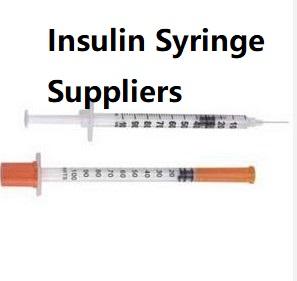
Medical device manufacturers and distributors increasingly require injection components that match specific application and equipment requirements. A reliable Custom Hypodermic Needle supplier can help businesses explore different dimensions, materials, connection structures, and product configurations. When sourcing a Custom Hypodermic Needle, buyers should consider manufacturing precision, material compatibility, production flexibility, and quality inspection to ensure that selected products meet their technical and purchasing expectations.
Why Customization Matters in Hypodermic Needle Production
Different medical applications may require different needle specifications. Standard products can meet many common requirements, but certain medical devices and specialized procedures may need particular dimensions or structural configurations.
Customization allows buyers to communicate their technical expectations before manufacturing begins. These requirements may involve needle length, outer diameter, wall thickness, tip design, hub configuration, and connection compatibility. Clearly defining these details helps manufacturers understand the intended product structure and evaluate suitable production methods.
For medical device companies, customized components can also support product development. A needle designed to match a particular syringe or medical instrument may simplify assembly and help maintain consistency across the finished device.
However, customization should always be based on validated product requirements and applicable medical device regulations. Technical discussions between buyers and manufacturers are essential before confirming a production specification.
Stainless Steel Materials and Precision Processing
Material selection plays an important role in hypodermic needle manufacturing. Medical-grade stainless steel is commonly used because of its mechanical strength, corrosion resistance, and suitability for precision processing.
The quality of the needle tube influences its structural characteristics and dimensional consistency. Manufacturers need to control tube processing operations carefully to maintain the required diameter, wall thickness, and surface condition.
Needle tip processing is another important manufacturing stage. Grinding and polishing procedures help create the specified tip geometry and surface finish. Consistent processing is necessary to reduce manufacturing variations and support the intended product performance.
Cleaning and inspection procedures should also be incorporated into the production workflow. Depending on the product design, manufacturers may evaluate dimensional accuracy, surface appearance, connection structures, and other relevant characteristics before products proceed to subsequent manufacturing stages.
INIMD Custom Needle Solutions and Product Specifications
INIMD provides needle and cannula products for different medical device applications. Its product category offers sourcing opportunities for businesses looking for specialized injection components and related medical products.
When discussing customized requirements with a manufacturer, buyers should prepare detailed technical information. Drawings, sample products, dimension specifications, and connection requirements can help clarify the expected product structure.
Several factors deserve attention during the evaluation process:
-
Needle dimensions: Length, diameter, and wall thickness should correspond with the intended design.
-
Material requirements: Buyers should confirm the applicable material specifications and relevant documentation.
-
Tip configuration: The required tip geometry should be clearly defined.
-
Connection structure: Hub design and compatibility should be considered during product development.
-
Packaging preferences: Individual packaging and labeling requirements should be discussed before production.
Clear communication helps manufacturers assess production feasibility and provide more relevant product recommendations. It also reduces misunderstandings when customized components are developed for different medical device projects.
Quality Inspection and Sterile Product Management
Quality inspection is essential throughout hypodermic needle manufacturing. Instead of relying exclusively on final inspections, manufacturers should establish appropriate controls at different production stages.
Incoming material inspections help verify whether raw materials meet established purchasing specifications. During production, dimensional measurements and visual inspections can identify inconsistencies in needle tubes, tips, and assembled components.
Packaging and sterilization also require careful consideration. For products supplied in sterile configurations, the sterilization method should be validated for the specific device and packaging materials. Packaging integrity must be maintained during storage and transportation.
Buyers should review relevant product documentation, inspection records, sterilization information, and quality management arrangements before selecting a supplier. These details help businesses understand manufacturing capabilities and evaluate whether available products meet their target market requirements.
Traceability information can further support inventory management and quality-related communication between manufacturers, distributors, and medical device companies.
Choosing a Manufacturing Partner for Customized Projects
Selecting a suitable needle manufacturer involves evaluating more than product quotations. Production experience, engineering communication, customization capabilities, inspection procedures, and delivery coordination all influence the purchasing decision.
For overseas buyers, communication is particularly important when developing customized components. Technical drawings and written specifications should be reviewed carefully to ensure that both parties understand the required dimensions, materials, and product configurations.
Requesting samples before bulk production can provide an opportunity to review physical characteristics and confirm whether the proposed design corresponds with the original requirements. Buyers should also clarify minimum order quantities, production schedules, packaging details, and export documentation.
A dependable manufacturing relationship is built through clear technical communication and consistent quality management. Companies exploring customized needles and cannula products can visit https://www.inimd.com/ to learn more about available product categories and discuss potential manufacturing cooperation.
- Technology for Students
- Admissions & Applications
- Online Courses
- Career and Jobs
- Campus Life
- Drinks
- Film
- Fitness
- Food
- Games
- Gardening
- Health
- Home
- Literature
- Music
- Networking For Students
- Insights
- Party
- Religion
- Shopping
- Sports
- Theater
- Wellness
- Education News
- Business & Finance For Students
- Security, Law & Crime Education
- Insurance
- Science & Technology For Students
 English
 Arabic
 French
 Spanish
 Portuguese
 Deutsch
 Turkish
 Dutch
 Italiano
 Russian
 Romaian
 Portuguese (Brazil)
 Greek