


Acne Treatment in Dubai: How Can Excess Sebum Contribute to Persistent Breakouts?
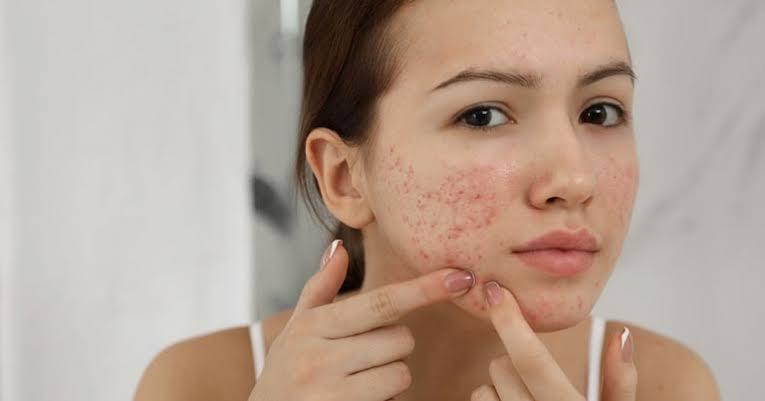
Acne is one of the most common skin concerns affecting people of different ages. Although it is often associated with adolescence, many adults continue to experience persistent breakouts well into their twenties, thirties, and beyond. One of the major factors behind recurring acne is excess sebum production. Sebum is the natural oil produced by sebaceous glands to protect and moisturise the skin. However, when these glands become overactive, excessive oil can contribute to clogged pores, inflammation, and recurring blemishes.
Understanding the relationship between sebum production and acne is an important part of choosing an appropriate skincare routine and professional treatment. Factors such as hormonal changes, genetics, environmental conditions, and skincare habits can influence how much oil the skin produces. In Dubai, where heat, humidity, and environmental exposure can affect everyday skin conditions, managing excess oil may be particularly important for people who experience frequent breakouts.
Professional Acne Treatment in Dubai focuses on identifying the underlying causes of acne and developing an approach that suits an individual's skin type and concerns. Under the guidance of Dr. Camellia Kamyab, patients can explore personalised treatment options designed to improve skin clarity, manage excess oil, and support healthier-looking skin.
Understanding Sebum and Its Role in Skin Health
Sebum is an oily substance naturally produced by sebaceous glands located within the skin. These glands are connected to hair follicles and release oil through the pores. Its primary function is to maintain the skin's natural moisture barrier, reduce water loss, and protect the skin's surface.
A balanced amount of sebum is essential for maintaining comfortable, healthy skin. Problems can develop when sebaceous glands produce more oil than the skin needs. Excess sebum can mix with dead skin cells and accumulate inside hair follicles, creating an environment where pores become blocked.
When a pore becomes clogged, it may develop into a whitehead or blackhead. If bacteria and inflammation become involved, the blockage can progress into red pimples, pustules, or deeper acne lesions.
This explains why people with oily skin may experience frequent breakouts. However, excess oil is not the only cause of acne. Skin cell turnover, hormonal activity, inflammation, and individual susceptibility also influence the development of blemishes.
How Excess Sebum Contributes to Persistent Acne Breakouts
Excessive oil production can influence several stages of acne development. Understanding these processes helps explain why some individuals experience recurring breakouts even when they regularly cleanse their skin.
Increased Pore Blockage
One of the main ways excess sebum contributes to acne is through pore congestion. When the skin produces too much oil, sebum can combine with dead skin cells and accumulate inside hair follicles.
This mixture can obstruct the normal movement of oil towards the skin's surface. As the blockage develops, it may create comedones, commonly known as blackheads and whiteheads.
People who experience persistent congestion may notice small bumps across the forehead, nose, chin, and cheeks. Without an appropriate skincare approach, these blocked pores can continue developing into inflammatory acne.
Creating Conditions for Acne-Related Bacteria
The skin naturally contains microorganisms, including Cutibacterium acnes, a bacterium associated with acne development. This microorganism normally exists on the skin, but blocked follicles and changes within their environment can encourage its activity.
Excess sebum contributes to the development of an environment where acne-related inflammation can occur. When bacteria interact with the contents of blocked follicles, the body's inflammatory response may lead to swollen, red, and sometimes painful blemishes.
This is why managing oil production and keeping pores clear are important considerations in acne management.
Encouraging Inflammation
Excess sebum does not simply make the skin appear shiny. Changes in the composition and accumulation of sebum can also contribute to inflammatory processes within the follicles.
Inflammation may cause acne lesions to become red, tender, and more noticeable. Some individuals experience repeated breakouts in the same facial areas because the underlying factors contributing to blocked pores and inflammation remain active.
An effective treatment approach should therefore address more than surface oil. It should also consider clogged pores, inflammation, and other factors contributing to recurring acne.
Why Does the Skin Produce Too Much Sebum?
Sebum production varies from person to person. Some individuals naturally have more active sebaceous glands, while others experience increased oiliness due to hormonal or environmental changes.
Several factors can influence excessive oil production.
Hormonal Fluctuations
Hormones called androgens play an important role in regulating sebaceous gland activity. When androgen levels increase or fluctuate, the sebaceous glands may produce more oil.
This is one reason acne frequently develops during puberty. However, hormonal changes can also affect adults, particularly during menstrual cycles and other periods of hormonal variation.
Hormonal acne commonly appears around the chin, jawline, and lower cheeks. It may involve deeper, more persistent blemishes that repeatedly develop in similar areas.
Genetic Factors
Genetics can influence skin type, sebaceous gland activity, and an individual's tendency to develop acne. People with a family history of oily skin or persistent acne may be more likely to experience similar concerns.
Although genetic factors cannot be changed, understanding them can help establish realistic skincare expectations and guide treatment selection.
Stress and Lifestyle Habits
Stress can influence hormonal activity and may contribute to changes in acne severity. Some individuals notice that their skin becomes oilier or that existing breakouts become more noticeable during stressful periods.
Lifestyle habits, including inconsistent sleep, dietary patterns, and skincare practices, may also influence overall skin health. Although these factors do not affect everyone in the same way, identifying personal triggers can help support a more consistent approach to acne management.
Environmental Conditions in Dubai
Dubai's climate can present particular challenges for people with oily or acne-prone skin. High temperatures, humidity during certain seasons, perspiration, and environmental exposure may contribute to a feeling of increased oiliness.
When sweat, sunscreen, makeup, and excess sebum accumulate on the skin, pores may become congested, particularly if cleansing habits are inconsistent.
Choosing lightweight, non-comedogenic skincare products and maintaining an appropriate cleansing routine can help manage these concerns.
Can Oily Skin Become More Acne-Prone During the Day?
Many people notice that their skin looks relatively balanced in the morning but becomes increasingly shiny throughout the day. This can happen because sebaceous glands continue producing oil, while sweat, environmental exposure, and skincare products contribute to surface buildup.
The T-zone, which includes the forehead, nose, and chin, often appears particularly oily because these areas contain a higher concentration of sebaceous glands.
For people living in Dubai, spending time outdoors or moving between hot outdoor conditions and air-conditioned indoor environments may make daily skin management more challenging.
However, repeatedly washing the face or using harsh oil-removing products is not necessarily helpful. Excessive cleansing can disrupt the skin barrier and cause irritation.
A balanced routine that removes accumulated oil without stripping the skin is generally a better approach.
How Can Professional Acne Treatment Help Manage Excess Sebum?
Persistent acne often requires more than ordinary cleansing products. Professional assessment can help determine whether excessive sebum, hormonal activity, blocked pores, inflammation, or a combination of factors is contributing to the problem.
Best Acne Treatment in Dubai should be selected according to the individual's acne type, skin sensitivity, medical history, and treatment goals.
Under the guidance of Dr. Camellia Kamyab, an individualised approach can help identify suitable options for improving acne-prone skin.
Depending on the assessment, treatment may involve the following approaches.
Medical-Grade Topical Treatments
Topical treatments are commonly used to manage mild to moderate acne. Ingredients such as retinoids can help regulate skin cell turnover and reduce the formation of blocked pores.
Benzoyl peroxide may help reduce acne-related bacteria and inflammatory lesions, while salicylic acid can help exfoliate inside pores and manage congestion.
The appropriate product and concentration depend on skin condition and tolerance. A professional assessment helps determine how these ingredients can be incorporated into a routine without unnecessary irritation.
Chemical Peels
Certain chemical peels may be recommended to improve clogged pores, uneven skin texture, and acne-related congestion.
Ingredients such as salicylic acid and glycolic acid are used in selected peel formulations to encourage exfoliation and improve the appearance of acne-prone skin.
The type and strength of a peel should be selected according to skin sensitivity, acne severity, and pigmentation concerns.
Treatments for Inflammatory Acne
When acne involves persistent redness, inflamed pimples, or deeper lesions, treatment may require a different approach.
A dermatologist may recommend prescription topical or oral medication depending on the severity and individual circumstances. The aim is to control inflammation, reduce new breakouts, and improve overall skin condition.
Personalised Skincare Recommendations
A consistent skincare routine can support professional acne treatment. Lightweight moisturisers, non-comedogenic sunscreen, and suitable cleansing products can help maintain the skin barrier without adding unnecessary oil.
Professional guidance can also help patients avoid combining too many active ingredients, which may cause dryness and irritation.
Building a Skincare Routine for Excessively Oily and Acne-Prone Skin
Managing excess sebum requires consistency rather than constantly changing products. A simple routine that supports the skin barrier can make daily oil management easier.
In the morning, a gentle cleanser can remove accumulated oil without leaving the skin feeling tight. A lightweight moisturiser can help maintain hydration, while broad-spectrum sunscreen protects the skin from ultraviolet exposure.
In the evening, cleansing helps remove sunscreen, makeup, sweat, and environmental buildup. Depending on professional recommendations, an acne-focused active ingredient may then be introduced.
People with oily skin should not automatically avoid moisturisers. Even acne-prone skin needs hydration, and excessive dryness may make skincare routines harder to tolerate.
It is also helpful to avoid frequently touching the face, picking blemishes, or using abrasive scrubs. These habits can irritate the skin and make existing acne more noticeable.
When Should You Seek Professional Advice for Persistent Breakouts?
Occasional pimples are common, but recurring acne may indicate that the skin needs a more targeted treatment approach.
Professional advice is worth considering when breakouts continue despite consistent skincare, when painful or deep lesions develop, or when acne begins affecting confidence and everyday comfort.
Persistent acne can also leave post-inflammatory dark marks and changes in skin texture. Early assessment may help identify suitable treatment options and reduce the likelihood of long-term skin concerns.
People experiencing sudden adult-onset acne or breakouts accompanied by other hormonal changes may also benefit from an appropriate medical evaluation.
An experienced practitioner can assess the skin, discuss possible contributing factors, and recommend a treatment plan based on individual needs rather than relying on a generalised skincare routine.
Conclusion
Excess sebum is an important contributor to persistent acne because it can combine with dead skin cells, encourage blocked pores, and create conditions associated with inflammation and recurring breakouts. However, oily skin is only one part of the acne development process. Hormonal changes, genetics, environmental conditions, and skincare habits can also influence how frequently blemishes appear.
Managing persistent acne requires an approach that considers the underlying causes rather than simply removing oil from the skin's surface. Gentle cleansing, suitable skincare products, and professionally recommended treatments can help improve skin clarity and support long-term skin health.
For individuals struggling with recurring breakouts, Acne Treatment in Dubai with Dr. Camellia Kamyab offers an opportunity to explore personalised options based on skin type and individual concerns. A professional assessment can help determine the most appropriate way to manage excess sebum, address existing acne, and work towards healthier-looking skin.
Frequently Asked Questions
1. How Does Excess Sebum Cause Acne?
Excess sebum can mix with dead skin cells and accumulate inside hair follicles, resulting in blocked pores. These blockages may develop into blackheads, whiteheads, and inflammatory pimples. Other factors, including hormonal activity and inflammation, also contribute to acne formation.
2. Does Oily Skin Always Lead to Acne?
No. Having oily skin does not automatically mean someone will develop acne. However, increased sebum production can contribute to clogged pores, making breakouts more likely in individuals who are susceptible to acne.
3. Why Do I Keep Getting Acne Even After Washing My Face?
Cleansing removes surface oil, sweat, and impurities, but it does not necessarily address the underlying causes of acne. Hormonal fluctuations, blocked follicles, inflammation, and excessive sebum production can continue contributing to breakouts even when someone follows a regular cleansing routine.
4. Can Dubai's Climate Make Oily Skin Worse?
High temperatures, humidity, perspiration, and environmental exposure can make the skin feel oilier. When sweat, sunscreen, and excess sebum accumulate, they may contribute to pore congestion. A suitable skincare routine can help manage these concerns.
5. Which Ingredients Help Manage Excess Sebum and Acne?
Salicylic acid, topical retinoids, and benzoyl peroxide are commonly used in acne skincare. Salicylic acid helps exfoliate inside pores, retinoids support normal skin cell turnover, and benzoyl peroxide helps reduce acne-related bacteria. The most suitable ingredient depends on the individual's skin condition and tolerance.
6. Should I Stop Using Moisturiser If I Have Oily Skin?
No. Oily skin still requires hydration. Avoiding moisturiser completely may leave the skin dry and uncomfortable. Lightweight, non-comedogenic moisturisers are generally suitable options for people with acne-prone skin.
7. Can Professional Acne Treatment Reduce Persistent Breakouts?
Professional acne treatment can help manage recurring breakouts by addressing contributing factors such as blocked pores, excess oil, and inflammation. The recommended approach depends on acne severity, skin type, and individual treatment requirements.
8. How Long Does It Take to See Improvements With Acne Treatment?
Results vary depending on the type of acne and the treatment being used. Many acne treatments require several weeks of consistent use before noticeable improvements develop. Some treatments may take a few months to show their full benefits.
9. Is Excess Sebum the Only Cause of Adult Acne?
No. Adult acne can be influenced by hormonal fluctuations, genetics, stress, certain skincare products, and other individual factors. Excess sebum is one contributing factor, but a complete assessment is important to understand persistent breakouts.
10. When Should I Consider the Best Acne Treatment in Dubai?
You may consider professional treatment if acne continues despite a consistent skincare routine, if breakouts are painful or persistent, or if blemishes are leaving dark marks and affecting skin texture. A consultation with Dr. Camellia Kamyab can help identify suitable treatment options based on your skin's needs.
- Technology for Students
- Admissions & Applications
- Online Courses
- Career and Jobs
- Campus Life
- Drinks
- Film
- Fitness
- Food
- Jocuri
- Gardening
- Health
- Home
- Literature
- Music
- Networking For Students
- Insights
- Party
- Religion
- Shopping
- Sports
- Theater
- Wellness
- Education News
- Business & Finance For Students
- Security, Law & Crime Education
- Insurance
- Science & Technology For Students
 Romaian
 English
 Arabic
 French
 Spanish
 Portuguese
 Deutsch
 Turkish
 Dutch
 Italiano
 Russian
 Portuguese (Brazil)
 Greek