


CenWan Folder Gluer Technology and Working Principles
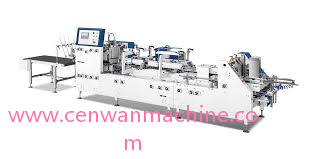
Choosing packaging machinery involves understanding what happens to a sheet of board after it enters the equipment, rather than relying on a product name alone.Folder Gluer Machine Manufacturers work within a specialized field of packaging equipment where feeding, alignment, folding, and bonding are connected parts of one production process. A folder gluer takes prepared packaging material and guides it through a sequence of mechanical operations that form a folded carton or box. Each stage has a particular purpose, and the relationship between these stages determines how the machine handles the material as it moves through the working area.
The process begins with sheet feeding. Individual corrugated sheets or prepared board pieces are introduced into the machine so that they can enter the processing path. The feeding section controls how material reaches the subsequent working assemblies, where positioning becomes important. If a sheet enters at an unintended angle, its position can influence the folding operation later in the process. This is why feeding and alignment are closely related functions rather than completely separate activities. When watching a machine operate, the first thing I notice is how each sheet enters the working area and whether its movement follows the intended path.
After feeding, the material passes through positioning and guiding sections. These components help control the direction of the sheet as it moves through the equipment. Mechanical guides provide contact points that keep the board within its designated path, while the feeding mechanism continues transferring material through the production sequence. The exact arrangement depends on the machine's design and intended application. In practical terms, these sections coordinate the movement of a flat sheet with the folding assemblies that act on it later. The operator also needs to understand how the material is positioned before making adjustments to the equipment.
Folding is the central mechanical operation. Corrugated board arrives in a prepared form with folding lines that define the intended shape of the package. As the sheet moves through the folding section, mechanical components guide its panels into the required configuration. The sequence needs to follow the layout of the packaging design because different panels have different folding directions. A carton that appears simple when laid flat can involve several coordinated movements once its panels begin to turn inward. The machine's function is to guide these movements as the board travels through the designated working sections.
The gluing stage connects the folded sections. Adhesive is applied to the designated bonding area so that the relevant panels can be joined during the forming process. The position of the adhesive application matters because it needs to correspond with the package structure. Once the bonding area meets the intended panel, the folded material can pass through the next part of the working sequence. Adhesive handling is therefore connected with both the folding arrangement and the movement of the sheet. Residue around the application area is also a practical maintenance consideration, since accumulated material can interfere with the cleanliness of nearby working surfaces.
After bonding, the folded packaging material continues through the machine for controlled handling of the joined sections. Pressure and contact during this stage help maintain the intended relationship between the bonded panels while the adhesive sets according to its characteristics. The precise arrangement of the working components varies with the equipment design, so the machine documentation is important when identifying the function of individual assemblies. From an operator's perspective, it is useful to observe how the folded piece moves through this section, particularly where the panels meet and where the bonding area remains in contact with the surrounding components.
Control systems connect the operating stages by allowing the machine to be adjusted and managed during production. Depending on the equipment configuration, controls may relate to feeding, movement, positioning, and other operating functions. These settings help operators coordinate the mechanical sections with the packaging material being processed. An operator should understand the purpose of each adjustment rather than changing several settings without checking their effects. During a production run, the sound of the feeding mechanism, the movement of the board, and the position of folded panels provide useful physical indications of how the process is progressing.
Different packaging designs also require attention to the relationship between machine operation and sheet layout. A prepared blank contains panels, folding lines, and bonding areas arranged according to the intended package shape. The equipment must handle that arrangement through its feeding, guiding, and folding stages. This is why setup information and the dimensions of the prepared packaging material are relevant when selecting machinery for a particular production task. The operator needs to understand the board's intended path and the sequence in which its panels are folded, rather than treating every carton design as an identical processing job.
Maintenance and inspection remain part of the operating process because dust, adhesive residue, and ordinary contact can affect working sections. Operators generally need to keep accessible areas clean and observe the condition of guides, feeding components, and bonding sections in accordance with the manufacturer's instructions. CenWan's product information at https://www.cenwanmachine.com/product is associated with its packaging machinery range and the equipment used in carton production. In the working area, a prepared corrugated sheet rests at the feeding entrance, its printed folding lines positioned in front of the first mechanical guide, ready to enter the processing sequence.
For buyers comparing Folder Gluer Machine Manufacturers, the actual operating sequence is an important part of understanding the equipment. Feeding, guiding, folding, adhesive application, and bonding each represent a distinct function within the production process. The arrangement of these sections determines how the machine handles prepared packaging material, while the manufacturer's technical documentation explains the operating configuration of a particular model. On the factory floor, the next corrugated blank moves beneath the guide, with its first folding line approaching the mechanical section that begins shaping the package.
- Technology for Students
- Admissions & Applications
- Online Courses
- Career and Jobs
- Campus Life
- Drinks
- Film
- Fitness
- Food
- Jogos
- Gardening
- Health
- Início
- Literature
- Music
- Networking For Students
- Insights
- Party
- Religion
- Shopping
- Sports
- Theater
- Wellness
- Education News
- Business & Finance For Students
- Security, Law & Crime Education
- Insurance
- Science & Technology For Students
 Portuguese
 English
 Arabic
 French
 Spanish
 Deutsch
 Turkish
 Dutch
 Italiano
 Russian
 Romaian
 Portuguese (Brazil)
 Greek