


Low Temperature Sealing Solutions for Industrial Valves
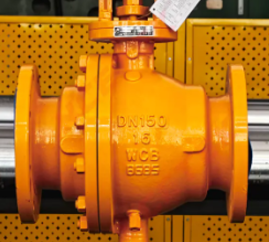
Industrial facilities handling liquefied gases require specialized equipment that can maintain mechanical integrity and sealing performance under extremely low temperatures. Cryogenic Ball Valve Design involves careful consideration of material toughness, thermal contraction, stem construction, seat compatibility, and internal pressure management. These factors influence how a valve performs during normal operation, temperature changes, and repeated opening and closing cycles.
Cryogenic applications include liquefied natural gas facilities, industrial gas production, liquid nitrogen storage, liquid oxygen systems, and other low-temperature processing installations. Different fluids have different operating characteristics and compatibility requirements. Therefore, valve engineering should begin with identifying the actual medium, minimum and maximum operating temperatures, pressure conditions, and relevant safety requirements.
Material selection is one of the most important aspects of cryogenic equipment. Metals can experience changes in toughness and dimensional behavior when exposed to very low temperatures. Materials that perform adequately at ordinary ambient temperatures may not maintain the required impact resistance under cryogenic conditions. Austenitic stainless steel grades are frequently considered because of their low-temperature toughness characteristics, although the final selection must follow the applicable material specifications.
The body, ball, stem, fasteners, and other pressure-containing or load-bearing components must be evaluated according to their individual functions. Different components may experience different thermal conditions during operation. Material selection should therefore account for mechanical properties, corrosion resistance, thermal expansion, and compatibility with the transported medium.
An extended bonnet or extended stem arrangement is commonly incorporated into many cryogenic ball valve designs. Its purpose is to position the stem packing farther away from the cold fluid and provide a suitable thermal separation between the valve body and the external sealing area. This arrangement helps reduce direct exposure of packing materials to extremely low temperatures and supports more appropriate sealing conditions.
The extension length is not universal. It depends on the valve design, operating temperature, insulation arrangement, installation position, and applicable requirements. Engineers should evaluate the thermal behavior of the complete structure rather than select an extension dimension without considering the intended service.
Seat design requires equally careful attention. Soft-seated configurations may use specialized polymeric materials selected for low-temperature compatibility, pressure conditions, and fluid characteristics. Ordinary sealing materials should not automatically be assumed suitable for cryogenic service. Their flexibility, dimensional stability, and sealing behavior need to be verified within the intended temperature range.
Metal-seated arrangements may also be considered for certain applications. They use engineered metal contact surfaces and have different friction, wear, and leakage characteristics from soft seats. The choice depends on the required shutoff performance, operating frequency, fluid properties, and design limitations. Metal seating is not automatically preferable for every low-temperature application.
Thermal contraction affects the relationship between the ball, seats, stem, and body. Because different materials may contract at different rates, dimensional changes can influence contact pressure and operating torque. If the design does not account for these effects, sealing performance or mechanical movement may be affected. Engineering evaluation should therefore consider the assembly under the actual low-temperature operating condition.
Pressure management inside the valve body is another important consideration. When a ball valve is closed, fluid can become trapped within the body cavity. If the trapped liquid warms and expands, internal pressure may rise. Depending on the seat design and service requirements, an automatic cavity pressure-relief arrangement or another suitable engineering solution may be required. The intended relief direction and pressure behavior should be clearly specified.
Surface finishing and manufacturing accuracy contribute to reliable operation. The ball surface, seat contact areas, stem interface, and internal body dimensions must meet the design requirements. Inadequate finishing or machining accuracy may create uneven contact, excessive friction, or assembly problems. Cleanliness is also important in specialized gas services, particularly where oxygen compatibility is required. Oxygen-service products need appropriate material selection, cleaning, handling, and inspection procedures.
Testing should be selected according to the application and applicable standards. Conventional shell and seat pressure tests may be required, while specialized projects may also specify cryogenic testing. Low-temperature testing can provide information about sealing behavior and operating characteristics under representative service conditions. The inspection documentation should clearly identify the test temperature, procedures, and acceptance criteria when such testing is required.
API and ASME specifications may be relevant depending on the valve design and intended application. Material standards, pressure design requirements, inspection procedures, and testing specifications should be identified in the purchasing documents. Buyers should confirm the exact requirements rather than assume that all cryogenic valves follow an identical standard or configuration.
These valves are used in LNG terminals, liquefaction facilities, cryogenic storage systems, industrial gas plants, and selected energy infrastructure projects. Each installation may involve different combinations of pressure, temperature, fluid composition, and operating frequency. Engineers should also consider insulation, maintenance access, pipeline orientation, and emergency isolation requirements during system planning.
For international procurement, clear technical communication helps avoid configuration misunderstandings. Buyers should provide operating conditions, material requirements, connection dimensions, testing expectations, and relevant drawings before manufacturing begins. This allows the proposed structure and inspection arrangements to be evaluated against the actual project requirements.
Zhejiang Naishi Valve Co., Ltd. offers industrial valve products under the NCETEK and Naishi Valve brands for different pipeline applications. A suitable Cryogenic Ball Valve Design must integrate material compatibility, thermal separation, sealing technology, and pressure management into one coordinated structure. For more information about industrial valve products and available configurations, visit https://www.ncevalve.com/product/.
- Technology for Students
- Admissions & Applications
- Online Courses
- Career and Jobs
- Campus Life
- Drinks
- Film
- Fitness
- Food
- Spellen
- Gardening
- Health
- Home
- Literature
- Music
- Networking For Students
- Insights
- Party
- Religion
- Shopping
- Sports
- Theater
- Wellness
- Education News
- Business & Finance For Students
- Security, Law & Crime Education
- Insurance
- Science & Technology For Students
 Dutch
 English
 Arabic
 French
 Spanish
 Portuguese
 Deutsch
 Turkish
 Italiano
 Russian
 Romaian
 Portuguese (Brazil)
 Greek