


Can High Temperature Stainless Steel Ball Valves Reduce Downtime?
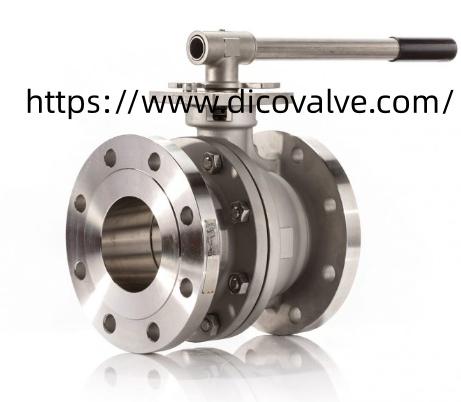
High Temperature Stainless Steel Ball Valves require regular inspection because demanding operating conditions can gradually affect sealing components, moving parts, and external connections. Even when equipment is selected according to its application, process changes, frequent operation, and maintenance practices may influence its condition over time. For industrial buyers, understanding common service concerns before purchasing helps with inspection planning, spare-part preparation, and communication with manufacturers.
Identify Early Signs of Seal Deterioration
Sealing components deserve particular attention in systems exposed to elevated heat. Continuous operation, repeated heating and cooling, pressure changes, and chemical contact may gradually affect seats, packing, and gaskets.
One warning sign is leakage around the stem area. This may indicate packing wear, unsuitable material selection, or changes in sealing contact. Leakage around a body joint or pipeline connection can have different causes, including gasket deterioration, installation stress, or loose fasteners.
Operators should identify the leakage location before deciding on corrective action. Tightening a component without understanding the cause may create additional stress or fail to resolve the problem. Adjustments and replacements should follow the product instructions and approved site procedures.
Monitor Changes in Operating Torque
A noticeable change in operating torque can indicate that internal components need attention. If a handle becomes difficult to turn or an actuator requires additional force, operators should investigate rather than simply applying more force.
Possible causes include debris accumulation, corrosion, packing friction, seat deformation, or damage to contact surfaces. Repeated heating and cooling may also influence the relationship between internal components.
For automated installations, increased resistance can affect actuator performance and operating consistency. Recording unusual movement, operating frequency, and relevant process conditions helps maintenance teams identify developing problems before they cause an unexpected interruption.
Check for Internal Deposits and Surface Damage
Particles carried by the process medium can affect internal surfaces. Solid deposits, scale, abrasive material, and other contaminants may accumulate around the flow passage or sealing area.
Over time, this buildup can interfere with movement and prevent the intended shutoff position from being reached. Abrasive particles may also create scratches or wear on internal contact surfaces.
A practical maintenance program should consider pipeline cleanliness and the condition of upstream filtration equipment where applicable. During a planned shutdown, qualified personnel can inspect accessible internal areas according to the product design.
If visible damage or repeated internal leakage is found, cleaning alone may not resolve the issue. The affected components should be evaluated for repair or replacement.
Examine External Corrosion and Surface Condition
The use of corrosion-resistant construction does not eliminate the need to assess chemical compatibility. Different process media and surrounding environments can affect the body, stem, fasteners, and internal components in different ways.
External corrosion may be associated with moisture, chemical exposure, or unsuitable storage conditions. Internal material damage may result from contact with an incompatible medium or contaminants in the pipeline.
Maintenance personnel should record where corrosion appears and whether it affects external surfaces, moving components, or pressure-containing areas. If the damage raises concerns about structural integrity, the equipment should be isolated according to site procedures and assessed by qualified personnel.
Inspect Pipeline Connections and Supporting Parts
Vibration, repeated heating and cooling, and pipeline movement may affect connection areas over time. Buyers and operators should therefore include external connections in routine inspection plans.
Relevant checks include flange alignment, gasket condition, fastener condition, visible leakage, and signs of unusual movement. Pipe support should also be reviewed if external loading is suspected.
Maintenance teams should avoid applying excessive tightening force. Work involving pressurized connections must only be carried out after proper isolation and in accordance with approved site procedures.
Prepare a Maintenance Checklist
A useful maintenance schedule should reflect the actual operating environment rather than rely on one interval for every installation. Equipment handling abrasive media, corrosive chemicals, frequent operating cycles, or significant process fluctuations may require closer monitoring.
Buyers can prepare a checklist covering:
External leakage and connection condition
Stem movement and operating torque
Visible corrosion or surface damage
Seat, packing, and gasket condition when inspection is permitted
Actuator response and travel position
Pipeline cleanliness and contamination sources
Replacement component availability
Inspection dates and recorded maintenance actions
Keeping these records helps maintenance teams compare operating conditions over time. Repeated symptoms can then be reviewed as a pattern instead of being treated as unrelated incidents.
Discuss Service Requirements Before Ordering
Maintenance planning should begin during procurement. Buyers can ask the manufacturer about serviceable components, recommended inspection procedures, available replacement parts, product documentation, and technical assistance.It is also useful to provide details about the process medium, pressure range, operating conditions, cycling frequency, and installation environment. This information helps the manufacturer discuss the intended application and clarify relevant service considerations.At dicovalve, buyers can communicate their project requirements and review product information before confirming an order. Preparing these details early can support clearer technical discussions and more organized maintenance planning. For further product information and inquiries, visit the official website at https://www.dicovalve.com/
- Technology for Students
- Admissions & Applications
- Online Courses
- Career and Jobs
- Campus Life
- Drinks
- Film
- Fitness
- Food
- Juegos
- Gardening
- Health
- Home
- Literature
- Music
- Networking For Students
- Insights
- Party
- Religion
- Shopping
- Sports
- Theater
- Wellness
- Education News
- Business & Finance For Students
- Security, Law & Crime Education
- Insurance
- Science & Technology For Students
 Spanish
 English
 Arabic
 French
 Portuguese
 Deutsch
 Turkish
 Dutch
 Italiano
 Russian
 Romaian
 Portuguese (Brazil)
 Greek