


Protect Your Building Before Winter: Roof Inspection and Maintenance Guide for Devils Lake, ND
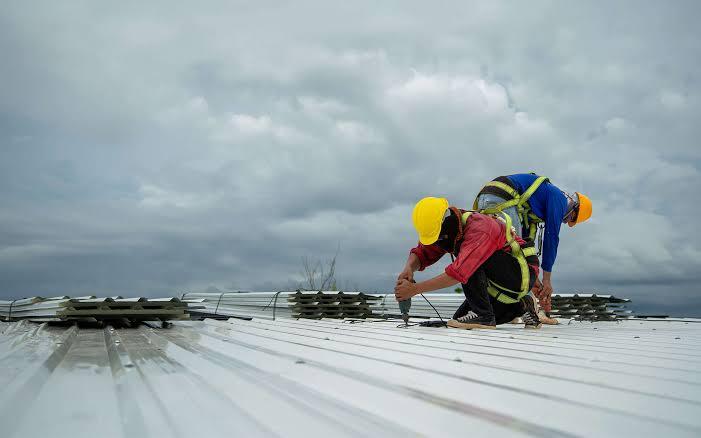
A small roof problem found in October is usually a quick repair. The same problem found in February can mean soaked insulation, stained ceilings, and an emergency tarp on the roof. Scheduling a commercial roof inspection in Devils Lake, ND before the first snow is the simplest way to catch trouble early, while repairs are still small and the weather still allows safe rooftop work.
This guide explains what an inspection covers, what ongoing care looks like, and how to time both.
Why Roofs Here Wear Out Faster
Northeast North Dakota is tough on roofing systems.
-
Freeze-thaw cycles: Water seeps into small cracks, freezes, expands, and makes the crack bigger.
-
Snow and ice: Heavy loads strain the roof and block drains, and ice dams can form along edges.
-
Wind: Open prairie gusts can lift flashing, edge metal, and loose seams.
-
Hail: Even small stones can bruise membranes and dent metal panels and rooftop units.
-
Temperature swings: Expansion and contraction slowly fatigue seams and sealants.
-
Spring melt: Standing water reveals drainage and slope problems.
Most of these issues start small and stay hidden until water gets inside.
What a Professional Roof Inspection Covers
A thorough inspection goes well beyond a look from the ground. A qualified commercial roofer will usually check:
-
The membrane: Cracks, blisters, punctures, shrinkage, and sun damage on TPO, EPDM, PVC, modified bitumen, or built-up roofs
-
Seams: Lifting or open seams, one of the most common sources of leaks
-
Flashings and penetrations: Areas around vents, pipes, HVAC curbs, skylights, and parapet walls
-
Drainage: Clogged drains, scuppers, and gutters, plus any ponding water
-
Metal components: Rust, loose fasteners, and damaged edge metal
-
Rooftop equipment: Damage from foot traffic or poorly sealed mounts
-
Interior clues: Ceiling stains, musty smells, or damp insulation
-
Documentation: Photos and a prioritized report you can use for budgeting and warranty records
Signs Your Roof Needs Attention Now
Don’t wait for your next scheduled visit if you notice:
-
Water stains on ceilings or walls
-
Puddles that remain 48 hours after rain or melting snow
-
Bubbles, blisters, or wrinkles in the membrane
-
Cracked, peeling, or lifted seams
-
Missing, loose, or rusted flashing
-
Heating bills that climb without explanation
-
Clogged drains or piles of debris
-
A recent hailstorm, high wind event, or heavy ice
Keeping Your Roof in Shape Year-Round
An inspection tells you what condition the roof is in. Keeping it that way takes steady care, and that is where commercial roof maintenance in Devils Lake, ND pays off. A good maintenance program typically includes:
-
Clearing debris from the roof surface
-
Cleaning drains, scuppers, and gutters
-
Resealing lifted or cracked seams
-
Repairing flashing around penetrations and walls
-
Patching punctures, splits, and blisters
-
Tightening fasteners and treating rust on metal roofs
-
Checking rooftop equipment for leaks
-
Applying protective or reflective coatings when appropriate
-
Keeping written service records
Think of it like servicing a vehicle. The inspection is the diagnostic check, and maintenance is the oil change and repairs that keep everything running.
A Seasonal Schedule That Works
Fall: The most important visit. Clear drains, remove debris, reseal flashings and seams, and repair known weak spots before the first snow.
Winter: Watch snow loads, drainage, and any interior leaks. If snow needs to be removed, use professionals so the membrane isn’t damaged.
Spring: Check for damage from freeze-thaw cycles and heavy snow, look for ponding water, and repair cracks or open seams.
Summer: Inspect after hail or wind storms, and watch for sun damage, shrinkage, and worn sealants.
As a general rule, have the roof professionally inspected twice a year, in fall and spring, and again after any major storm. Older roofs or those with a history of leaks may need more frequent attention. It’s also smart to schedule an inspection before buying or leasing a property and before a warranty expires.
Repair, Restore, or Replace?
Regular inspection records make this decision easier.
-
Repair when damage is limited and the rest of the roof is sound.
-
Restore with a coating when the membrane is aging but still dry and structurally solid.
-
Replace when moisture is widespread, repairs keep failing, or the roof has passed its service life.
What You Gain From Staying on Top of It
-
Smaller repair bills, since problems are caught early
-
A longer roof life
-
Fewer surprise leaks that disrupt your business
-
Stronger warranty standing, since many manufacturers require documented upkeep
-
More predictable annual budgets
-
Better energy efficiency from dry insulation and a sealed roof
How to Choose a Roofing Contractor
Look for a company that focuses on commercial work, understands North Dakota weather, provides written reports with photos, and can handle inspections, maintenance, and repairs in one place. Make sure they are licensed, insured, and quick to respond when you have a problem.
Get Your Roof Ready for Winter
Winter arrives quickly in North Dakota. Hiline Commercial Roofing can inspect your roof, recommend what needs attention, and set up a maintenance plan that fits your building and budget. Contact us today to schedule your visit.
Frequently Asked Questions
How much does a commercial roof inspection cost?
It depends on roof size, type, access, and how detailed the report needs to be. Some contractors offer free or low-cost visual inspections, while infrared or moisture scans cost more.
How long does an inspection take?
Usually one to three hours, depending on the size and complexity of the roof.
How often should a commercial roof be maintained?
At least twice a year, in spring and fall, plus after major storms. Older roofs may need more frequent visits.
How much does roof maintenance cost?
Costs vary with roof size, type, condition, and the scope of the plan. Annual maintenance is typically a small fraction of the cost of a major repair or replacement.
What is the difference between an inspection and maintenance?
An inspection identifies the condition of the roof and any problems. Maintenance is the ongoing work that fixes and prevents them, like clearing drains and sealing seams.
Does regular maintenance really extend roof life?
Yes. Regular cleaning, sealing, and repairs keep small issues from compounding and can add years to a roof’s service life.
Will skipping maintenance affect my warranty?
It can. Many manufacturer and contractor warranties require documented, periodic service. Check your warranty terms and keep all records.
- Technology for Students
- Admissions & Applications
- Online Courses
- Career and Jobs
- Campus Life
- Drinks
- Film
- Fitness
- Food
- Jogos
- Gardening
- Health
- Início
- Literature
- Music
- Networking For Students
- Insights
- Party
- Religion
- Shopping
- Sports
- Theater
- Wellness
- Education News
- Business & Finance For Students
- Security, Law & Crime Education
- Insurance
- Science & Technology For Students
 Portuguese (Brazil)
 English
 Arabic
 French
 Spanish
 Portuguese
 Deutsch
 Turkish
 Dutch
 Italiano
 Russian
 Romaian
 Greek