


Developing Eyewear That Matches Customer Preferences
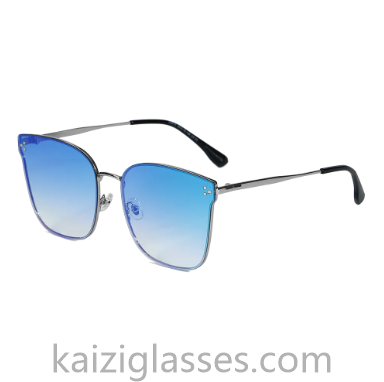
Eyewear design has become an important part of how optical brands connect with customers and establish their position in competitive markets. Different consumers have different expectations regarding appearance, comfort, materials, and everyday functionality. Design Glasses For Customers requires an understanding of these preferences as well as the technical knowledge needed to translate creative concepts into practical eyewear products. For manufacturers, retailers, and private label businesses, successful product development involves balancing visual appeal with frame construction, material suitability, and the needs of the intended customer group.
Understanding the target audience is the first step in developing an effective eyewear collection. Younger consumers may be attracted to contemporary shapes, transparent colors, oversized silhouettes, or distinctive decorative elements. Professional customers may prefer understated designs that complement business clothing and everyday activities. Some buyers look for lightweight frames with minimal visual details, while others favor bold colors and recognizable shapes. These differences influence decisions about frame proportions, materials, finishes, and product positioning.
Face shape is another consideration during eyewear design. Round, oval, square, and heart-shaped faces may create different visual relationships with particular frame silhouettes. Rectangular frames can introduce angular definition, while round frames offer a softer appearance. Cat-eye designs provide a more expressive profile, and geometric frames create a contemporary fashion direction. However, these categories should be treated as general styling references rather than strict rules. Personal preference, facial proportions, and individual wearing habits remain important factors when selecting suitable eyewear.
Material selection directly influences the appearance and construction of customized glasses. Acetate is widely used because it supports diverse colors, patterns, and surface treatments. Designers can explore transparent finishes, layered patterns, classic tortoiseshell effects, and solid colors to develop collections with different visual identities. The material also provides opportunities to create variations in frame thickness and overall silhouette. These characteristics make acetate suitable for both timeless optical styles and fashion-oriented products.
Metal materials offer another direction for customer-focused product development. Stainless steel can support slim frame profiles and clean structural designs, while titanium is often considered for collections where lightweight construction is an important preference. Different metal finishes, including polished, matte, and plated appearances, can create distinct visual effects. Combining metal and acetate can also introduce contrast between materials, allowing brands to develop more distinctive designs. The selection should consider the intended retail positioning, construction requirements, and expected customer experience.
Comfort must remain part of the design process rather than being treated as a final adjustment. Frame width, bridge dimensions, temple length, nose pad construction, and overall weight distribution all influence how glasses fit. A visually attractive frame may not meet customer expectations if it creates pressure around the nose or ears. Designers should therefore consider the relationship between frame geometry and wearing comfort during the early development stages. Sample testing can help identify areas where adjustments may improve the overall fit.
Functional details also contribute to the quality of a finished eyewear product. Hinges need to operate smoothly, temples should maintain appropriate alignment, and frame components should be assembled consistently. Nose pads and temple tips can be selected according to the product design and intended wearing experience. Surface finishing deserves similar attention because rough edges, uneven polishing, or inconsistent coatings may affect both appearance and usability. These details help distinguish carefully developed products from designs focused only on visual trends.
For businesses planning to Design Glasses For Customers, communication between the design team, buyer, and manufacturer is essential. Buyers can provide sketches, photographs, reference products, color preferences, and target market information. Manufacturers can then evaluate the concepts from a production perspective and identify suitable materials, construction methods, and customization possibilities. Clear communication reduces misunderstandings and helps ensure that the final sample reflects the original design intention.
Sampling provides an opportunity to evaluate the product before larger manufacturing orders are placed. During this stage, buyers can review frame proportions, color accuracy, material texture, hinge performance, and overall appearance. Adjustments may be necessary if the initial sample does not match the desired specifications. Feedback should be specific and supported by visual references whenever possible. Once the sample is approved, it can serve as a reference for production consistency and future repeat orders.
Market research can further improve the relevance of a customized collection. Retail sales information, customer feedback, seasonal fashion developments, and regional preferences can reveal which styles deserve greater attention. For example, some markets may favor neutral colors and classic shapes, while others show stronger interest in expressive designs and seasonal variations. Businesses should avoid relying entirely on short-term trends. A balanced collection can include core products with long-term appeal alongside selected styles that respond to current fashion interests.
Packaging and brand presentation also influence the customer experience. Customized logos, coordinated cases, cleaning cloths, and retail packaging can help create a consistent identity across different product categories. For private label businesses, these elements should complement the frame design rather than compete with it. Manufacturers and buyers can coordinate packaging requirements during product development to make sure that presentation details are considered alongside the eyewear itself.
As consumer expectations continue to evolve, flexible product development provides opportunities for eyewear businesses to build more relevant collections. Combining material knowledge, practical construction, customer research, and organized sample approval helps create products that reflect both brand identity and market requirements. Businesses looking for optical frame options and customized product development can explore the available collections at https://www.kaiziglasses.com/product/ when planning their next eyewear range.
- Technology for Students
- Admissions & Applications
- Online Courses
- Career and Jobs
- Campus Life
- Drinks
- Film
- Fitness
- Food
- Spiele
- Gardening
- Health
- Startseite
- Literature
- Music
- Networking For Students
- Insights
- Party
- Religion
- Shopping
- Sports
- Theater
- Wellness
- Education News
- Business & Finance For Students
- Security, Law & Crime Education
- Insurance
- Science & Technology For Students
 Deutsch
 English
 Arabic
 French
 Spanish
 Portuguese
 Turkish
 Dutch
 Italiano
 Russian
 Romaian
 Portuguese (Brazil)
 Greek