


How Tokenized Asset Portfolios Can Support Automated Financial Operations?
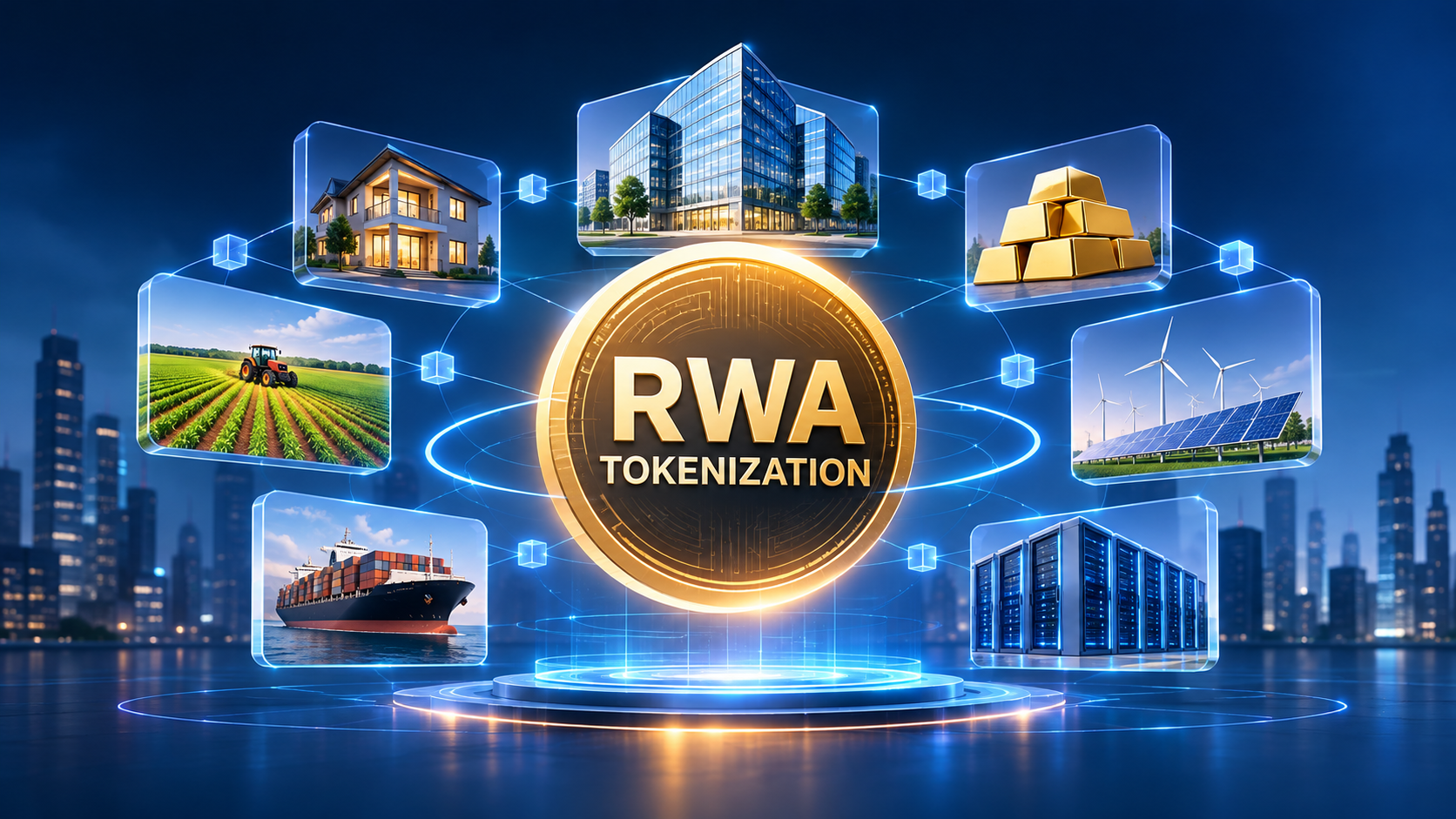
Managing a portfolio of multiple real-world assets involves more than tracking ownership and investment performance. Businesses must coordinate financial transactions, monitor asset valuations, distribute returns, maintain investor records, reconcile payments, and prepare financial reports. When these activities are handled through separate systems and manual processes, operational complexity increases, particularly as portfolios expand across different asset classes and investment structures.
Tokenized asset portfolios offer a technology-driven approach to simplifying these financial operations. By representing real-world assets tokenization as digital tokens on a blockchain, businesses can connect asset ownership, investment records, transaction histories, and financial workflows within a unified digital environment. Through smart contracts, automated payment mechanisms, and blockchain-based recordkeeping, tokenized portfolios can help businesses reduce repetitive administrative tasks, improve financial visibility, and manage investment operations more efficiently.
Understanding Tokenized Asset Portfolios
A tokenized asset portfolio is a collection of digital tokens representing ownership interests, financial rights, or economic exposure to multiple real-world assets.
These portfolios can include different asset categories, such as:
-
Real Estate: Residential properties, commercial buildings, rental portfolios, and property funds.
-
Financial Instruments: Bonds, private credit, equities, and investment funds.
-
Commodities: Gold, agricultural products, and other physical commodities.
-
Business Assets: Equipment, infrastructure, receivables, and revenue-generating resources.
-
Alternative Investments: Intellectual property, royalties, and private investment opportunities.
Each token can represent specific rights associated with an underlying asset, depending on its legal and financial structure.
Instead of managing every investment through disconnected financial systems, businesses can use tokenization platforms to maintain digital records and coordinate relevant financial activities across their portfolios.
How Tokenized Asset Portfolios Support Automated Financial Operations
Automation is one of the major advantages of combining blockchain technology with asset portfolio management. Smart contracts can execute predefined financial instructions when specified conditions are satisfied, reducing the need for repetitive manual intervention.
Here are several ways tokenized portfolios can support automated financial operations.
1. Automated Income Distribution
Managing income from multiple assets can become complicated when each investment generates returns at different intervals.
For example, a portfolio containing rental properties, corporate bonds, and revenue-generating business assets may produce income through monthly rent, periodic interest payments, and contractual revenue distributions.
A tokenization platform can integrate smart contracts to automate eligible distribution processes.
These contracts can be configured to:
-
Calculate investor entitlements based on token holdings.
-
Apply predefined distribution schedules.
-
Allocate available income among eligible participants.
-
Record completed distribution transactions.
-
Generate transaction histories for financial reconciliation.
This reduces administrative workloads while helping investment managers maintain consistent distribution processes.
Actual distributions must still account for applicable legal agreements, available funds, taxes, fees, and other contractual requirements.
2. Automated Portfolio Reconciliation
Financial reconciliation involves comparing transaction records, payment information, investor balances, and asset-related financial data to identify inconsistencies. For businesses managing multiple tokenized assets, this process can require considerable time when information is distributed across different systems. Blockchain-based records provide a shared transaction history that can help simplify reconciliation. For instance, when an investor purchases tokens, the platform can record the transaction, update the corresponding token balance, and maintain an auditable history of the transfer. When integrated with banking, accounting, and payment systems, the platform can help automate the comparison of on-chain transactions with external financial records. This can improve record accuracy and reduce repetitive reconciliation work.
3. Smart Contract-Based Payment Processing
Tokenized asset portfolios can incorporate programmable payment workflows to manage recurring and conditional financial obligations. Consider a commercial property portfolio involving multiple investors, property managers, service providers, and rental agreements. A smart contract can be configured to trigger specific payment instructions when predefined conditions are met.
Potential applications include:
-
Rental income allocation.
-
Interest payment scheduling.
-
Management fee calculations.
-
Contractual revenue sharing.
-
Investment subscription processing.
-
Payment milestone tracking.
Businesses can establish predefined rules for each financial activity and reduce the need to manually initiate every transaction.
However, smart contracts generally require integrations with external payment providers and verified data sources to interact with traditional financial systems.
4. Real-Time Portfolio Valuation and Performance Monitoring
Understanding portfolio performance requires continuous access to relevant financial and asset-related information.
Traditional portfolio management systems may rely on periodic reports, manually updated spreadsheets, and information collected from different service providers.
A tokenized portfolio management platform can bring multiple data points into a centralized dashboard.
Depending on the integrations available, businesses can monitor:
-
Current asset valuations.
-
Total portfolio value.
-
Investor participation.
-
Income generated by individual assets.
-
Outstanding financial obligations.
-
Historical transaction activity.
-
Asset-level investment performance.
External valuation feeds and financial data providers can update relevant information, while blockchain records maintain the history of token-related transactions.
This gives portfolio managers a more comprehensive view of financial activity and supports informed investment decisions.
5. Automated Investor Management
Managing investors across a diversified portfolio requires maintaining accurate ownership records, tracking investment contributions, monitoring eligibility, and communicating financial updates.
Tokenization platforms can connect investor management functionality with digital asset records.
For example, when an eligible investor completes a token purchase, the platform can update their token balance and associate the transaction with their investor profile.
Additional automation can support:
-
Investor onboarding workflows.
-
Identity verification and KYC/AML checks.
-
Investment subscription management.
-
Token ownership tracking.
-
Investor statement generation.
-
Distribution notifications.
-
Access to portfolio performance reports.
Compliance requirements and transfer restrictions can also be incorporated into the platform's transaction workflows.
This helps businesses manage larger investor networks without proportionally increasing administrative responsibilities.
6. Automated Financial Reporting
Preparing financial reports across multiple investments can be challenging, particularly when assets operate under different financial structures.
A tokenized asset portfolio can centralize transaction information and integrate it with accounting and reporting tools.
Businesses can use these integrations to generate reports covering:
-
Investment contributions.
-
Asset acquisition costs.
-
Income distributions.
-
Operating expenses.
-
Investor balances.
-
Transaction histories.
-
Portfolio performance.
Automated reporting can reduce the time spent collecting information from different sources.
However, blockchain transaction records alone do not replace accounting records, audited financial statements, or regulatory reporting obligations. Appropriate financial integrations and validation processes remain necessary.
Essential Technologies Behind Automated Tokenized Portfolio Management
A successful tokenized portfolio management solution requires multiple technologies working together.
|
Technology |
Role in Financial Automation |
|---|---|
|
Blockchain |
Maintains digital asset and transaction records. |
|
Smart Contracts |
Executes predefined financial instructions. |
|
Tokenization Engine |
Creates and manages digital asset representations. |
|
Payment Integration |
Connects tokenized investments with payment systems. |
|
Oracle Integration |
Supplies external financial and asset-related data. |
|
Portfolio Dashboard |
Displays asset performance and financial activity. |
|
API Integrations |
Connects accounting, banking, and investment systems. |
|
Compliance Modules |
Supports investor verification and transaction restrictions. |
Combining these technologies allows businesses to coordinate digital asset management with traditional financial operations.
Business Benefits of Automating Tokenized Asset Portfolios
Automated financial operations can create several advantages for businesses managing diversified investment portfolios.
Reduced Administrative Workloads
Automating recurring activities such as income allocation, transaction recording, and investor updates can reduce repetitive manual tasks.
Improved Financial Transparency
Blockchain-based transaction records provide traceability and make it easier to review investment-related activities.
Better Operational Scalability
Businesses can manage increasing numbers of assets and investors through standardized workflows rather than relying entirely on manual administration.
Faster Financial Processing
Predefined smart contract instructions can accelerate eligible transactions and reduce delays associated with manual approval and processing.
More Consistent Financial Records
Connecting portfolio management with blockchain and accounting integrations can help maintain consistent transaction information across different operational systems.
Improved Investment Oversight
Centralized dashboards provide portfolio managers with access to asset-level and portfolio-wide financial information, supporting more effective monitoring.
Challenges Businesses Should Consider
Although tokenized asset portfolios offer opportunities for financial automation, implementation requires careful planning.
Regulatory and Compliance Requirements: Tokenized assets may be subject to securities, investment, property, and financial regulations depending on their structure and jurisdiction.
Smart Contract Security: Incorrect contract logic or vulnerabilities can affect financial operations. Independent security audits and testing are important.
Integration With Traditional Systems: Businesses must connect blockchain infrastructure with banking platforms, accounting software, payment gateways, and existing investment management systems.
Data Accuracy: Blockchain records do not automatically guarantee the accuracy of external asset valuations, financial statements, or payment information. Reliable data sources and verification mechanisms are necessary.
Asset-Specific Financial Structures: Different assets have different income models, ownership arrangements, and distribution requirements. A flexible platform architecture is essential to accommodate these differences.
Addressing these challenges early can help businesses establish a reliable foundation for automated portfolio management.
Developing a Tokenized Asset Portfolio Management Platform
Businesses planning to introduce automated financial operations should consider building a tokenization platform that supports both asset management and financial workflow automation.
A custom platform can be designed around the organization's asset categories, investment structures, operational requirements, and compliance obligations.
Some important development components include:
-
Multi-Asset Tokenization: Support for representing different real-world asset categories within one platform.
-
Smart Contract Development: Programmable workflows for income distribution, payment instructions, and investment-related transactions.
-
Portfolio Management Dashboard: Centralized monitoring of asset information, investor balances, and financial performance.
-
Investor Management System: Tools for onboarding, verification, ownership tracking, and investor communication.
-
Financial Integration Layer: Connections with banking, payment processing, and accounting systems.
-
Security Infrastructure: Wallet security, access controls, transaction monitoring, and smart contract auditing.
-
Reporting and Analytics: Financial summaries, transaction reports, and portfolio performance analysis.
Working with an experienced tokenization development company such as Inoru can help businesses evaluate these technical requirements and develop a platform aligned with their asset management and financial automation objectives.
Future of Automated Financial Operations Through Asset Tokenization
As businesses explore digital ownership and blockchain-powered financial infrastructure, tokenized asset portfolios could become an important part of modern investment management.
Future platforms may increasingly combine AI-powered financial analytics, automated compliance monitoring, cross-chain asset management, and integrated payment infrastructure.
For example, an investment manager could oversee a portfolio containing commercial properties, tokenized bonds, private credit instruments, and commodity-backed assets through one centralized interface.
Instead of coordinating every financial activity separately, the platform could connect asset records, payment instructions, investor information, and performance analytics through integrated workflows.
The broader opportunity is not simply converting physical assets into digital tokens. It is creating financial infrastructure that helps businesses manage, monitor, and operate diversified asset portfolios more efficiently.
Conclusion
Tokenized asset portfolios can support automated financial operations by connecting blockchain-based asset records with smart contracts, payment systems, investor management tools, and financial reporting infrastructure.
From automating income distributions and reconciliation to simplifying investor administration and portfolio monitoring, these capabilities can help businesses reduce operational complexity and improve financial visibility.
For companies managing multiple real-world assets, developing a tokenized portfolio management platform can be a strategic step toward building more connected, scalable, and programmable financial operations.
The long-term value of tokenization will depend not only on how assets are digitized but also on how effectively businesses integrate automation into their everyday financial activities.
- Technology for Students
- Admissions & Applications
- Online Courses
- Career and Jobs
- Campus Life
- Drinks
- Film
- Fitness
- Food
- Jocuri
- Gardening
- Health
- Home
- Literature
- Music
- Networking For Students
- Insights
- Party
- Religion
- Shopping
- Sports
- Theater
- Wellness
- Education News
- Business & Finance For Students
- Security, Law & Crime Education
- Insurance
- Science & Technology For Students
 Romaian
 English
 Arabic
 French
 Spanish
 Portuguese
 Deutsch
 Turkish
 Dutch
 Italiano
 Russian
 Portuguese (Brazil)
 Greek