


Enhancing Manufacturing Efficiency with Precision Machinery
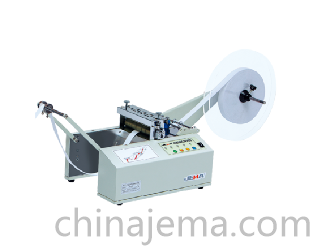
Zippers are widely used in clothing, luggage, footwear, outdoor equipment, handbags, and various industrial textile products. Their manufacturing process involves several operations, including tape preparation, chain processing, component assembly, and finishing. As manufacturers handle increasingly diverse product specifications, a zipper cutting machine becomes an important part of organizing material preparation and maintaining consistent production results. Selecting suitable equipment requires an understanding of zipper construction, material properties, processing requirements, and the relationship between individual manufacturing stages.
A zipper generally consists of two rows of interlocking elements attached to textile tapes, together with a slider and other supporting components. Depending on the product design, the zipper may use nylon coils, molded plastic teeth, or metal elements. The textile tape can also vary in width, thickness, flexibility, and surface structure. These differences influence how the material should be positioned and processed during cutting. Equipment intended for zipper production should therefore accommodate the characteristics of the materials used rather than relying on a single approach for every product type.
Material feeding is one of the most important considerations in cutting operations. Zipper tapes are often supplied in continuous lengths, which means the machine must transport the material through the working area without unnecessary stretching, twisting, or displacement. Uneven feeding can affect finished dimensions and create difficulties during subsequent assembly. Proper guiding structures and stable feeding components help maintain alignment and support repeatable processing. Manufacturers should pay attention to how the machine handles different tape widths and whether adjustments can be made conveniently when production requirements change.
Cutting technology also influences the quality of finished zipper components. Depending on the material and product design, manufacturers may use mechanical blades or other suitable cutting methods. Nylon and polyester tapes may respond differently to cutting conditions than thicker materials or tapes carrying molded components. In applications where edge fraying is a concern, manufacturers may consider processing methods that help control the condition of the cut edge. However, the selected method must remain compatible with the tape material and should not damage nearby zipper elements.
Production consistency is particularly important when zipper components are prepared for garment assembly. Different garment styles may require specific zipper lengths, and dimensional variations can affect sewing operations and the appearance of the finished product. If prepared pieces are inconsistent, workers may need additional adjustments during assembly. Accurate positioning and controlled cutting help reduce these problems. Manufacturers should evaluate the machine's ability to maintain repeatable dimensions across different production batches and material specifications.
Automation can also improve production organization. Manual measurement and cutting may be appropriate for small workshops or customized orders, but repetitive operations can become time-consuming when order quantities increase. Automated material feeding and cutting functions help reduce repeated manual handling and make it easier to organize continuous production. The actual improvement depends on machine configuration, operator experience, material properties, and the efficiency of surrounding processes. Factories should evaluate the complete workflow instead of considering cutting speed as the only measure of productivity.
Different zipper products require different processing arrangements. Clothing manufacturers may use relatively lightweight zippers for jackets, trousers, dresses, and uniforms. Luggage and bag producers often work with heavier zipper constructions designed for repeated use. Outdoor equipment manufacturers may require products suitable for demanding environmental conditions, while footwear production can involve curved designs and specialized dimensions. A flexible manufacturing setup allows factories to handle different product categories while maintaining appropriate processing conditions for each material.
The relationship between cutting and other production stages should not be overlooked. After material preparation, zipper components may move to sewing, slider installation, inspection, packaging, or further finishing operations. If cutting output is inconsistent, it can create delays throughout the production line. Organizing the working area so that prepared materials can move conveniently to the next operation helps reduce unnecessary transportation and handling. Manufacturers should also consider how finished pieces are collected and sorted to prevent confusion between different customer orders.
Machine construction and operating controls influence daily usability. A stable frame supports consistent operation, while accessible adjustment components make it easier to change processing conditions. Clear control arrangements help operators understand the working sequence and reduce avoidable mistakes. When several zipper types are manufactured in the same facility, simple adjustment procedures can support more efficient changeovers. JEMA's industrial machinery solutions are relevant to manufacturers evaluating equipment for garment accessory processing and related production activities.
Maintenance should be included in the equipment selection process. Cutting blades, feeding rollers, positioning guides, and other moving components experience wear during regular operation. Accumulated fibers and material residues may also affect feeding performance. Periodic cleaning and inspection help identify potential problems before they interrupt production. Operators should follow appropriate maintenance procedures and replace worn components according to the equipment manufacturer's recommendations. Proper training can also improve handling consistency and reduce unnecessary machine downtime.
Before investing in new equipment, manufacturers should identify their main zipper types, tape materials, required cutting lengths, expected production quantities, and workshop conditions. It is useful to test representative materials and examine the finished results under actual operating conditions. Buyers should also evaluate adjustment flexibility, maintenance accessibility, operator requirements, and compatibility with existing production equipment. These considerations provide a practical foundation for selecting machinery that supports both current orders and future manufacturing needs.
As the garment accessory industry develops, manufacturers continue to seek more organized production processes and consistent component preparation. Reliable zipper cutting machine equipment can support accurate material handling, reduce repetitive manual work, and improve coordination between preparation and assembly operations. Businesses exploring machinery for zipper and garment accessory manufacturing can review JEMA's industrial equipment offerings through https://www.chinajema.com/product/ to understand available solutions for different production environments.
- Technology for Students
- Admissions & Applications
- Online Courses
- Career and Jobs
- Campus Life
- Drinks
- Film
- Fitness
- Food
- Παιχνίδια
- Gardening
- Health
- Κεντρική Σελίδα
- Literature
- Music
- Networking For Students
- Insights
- Party
- Religion
- Shopping
- Sports
- Theater
- Wellness
- Education News
- Business & Finance For Students
- Security, Law & Crime Education
- Insurance
- Science & Technology For Students
 Greek
 English
 Arabic
 French
 Spanish
 Portuguese
 Deutsch
 Turkish
 Dutch
 Italiano
 Russian
 Romaian
 Portuguese (Brazil)